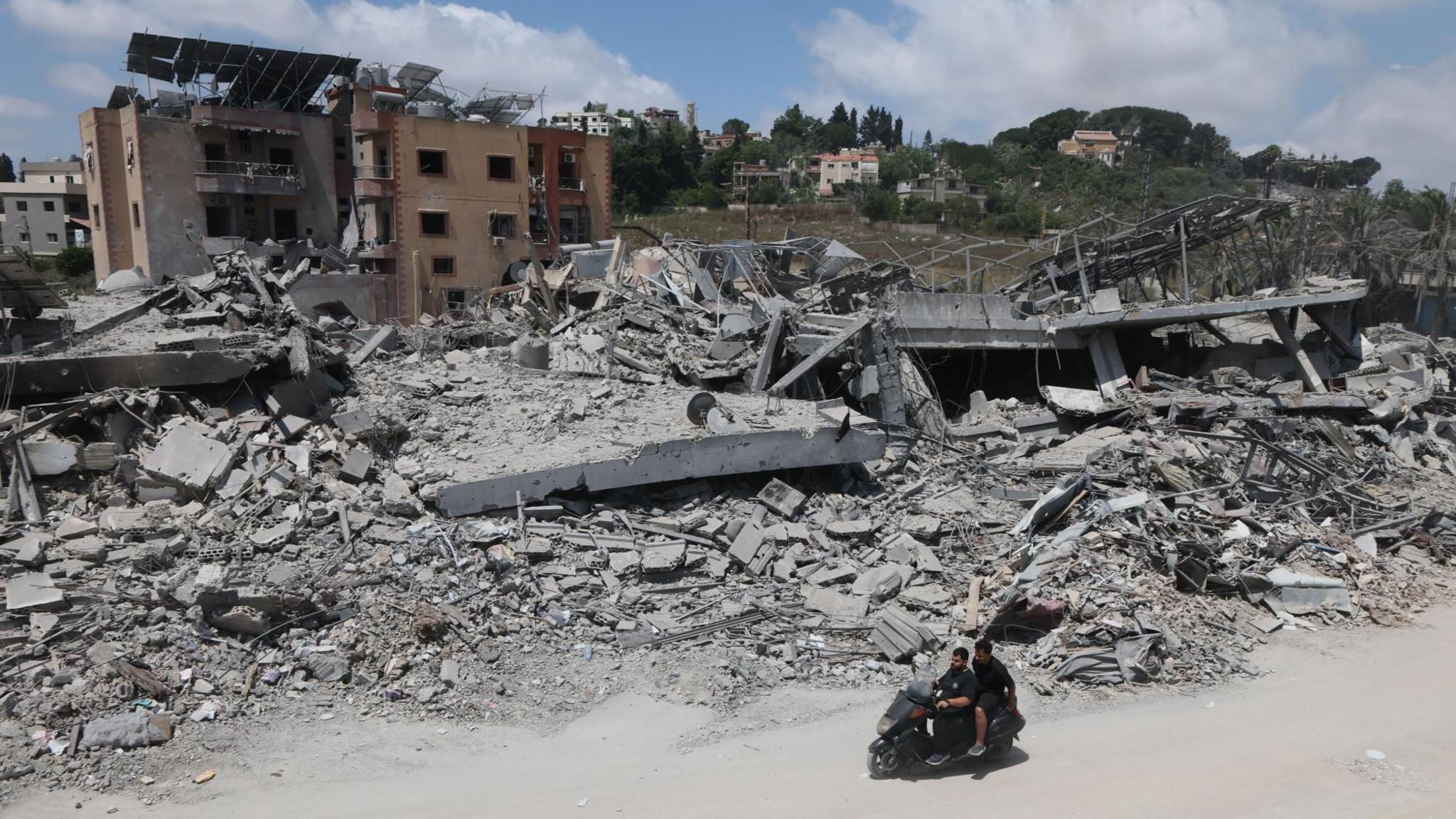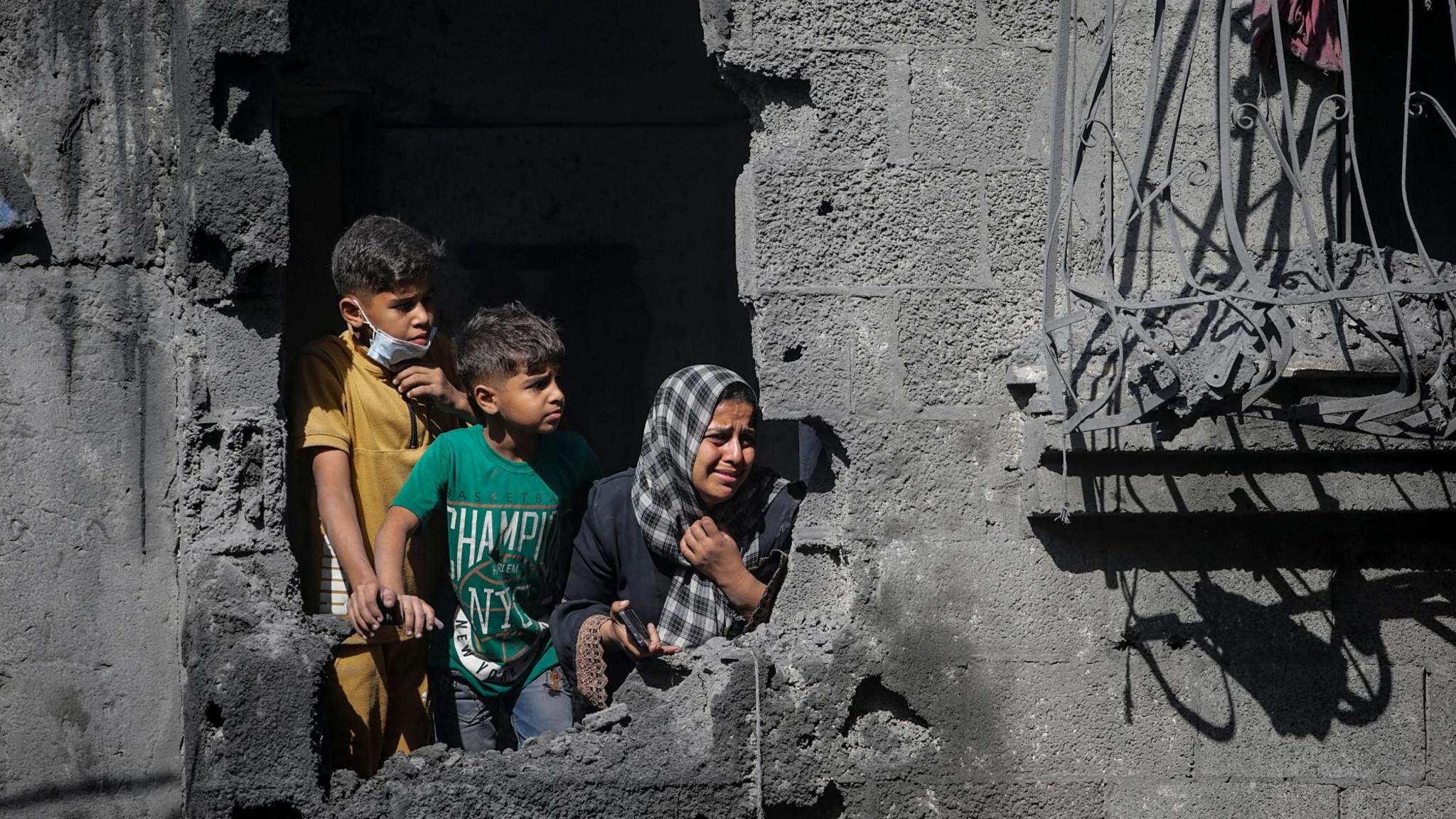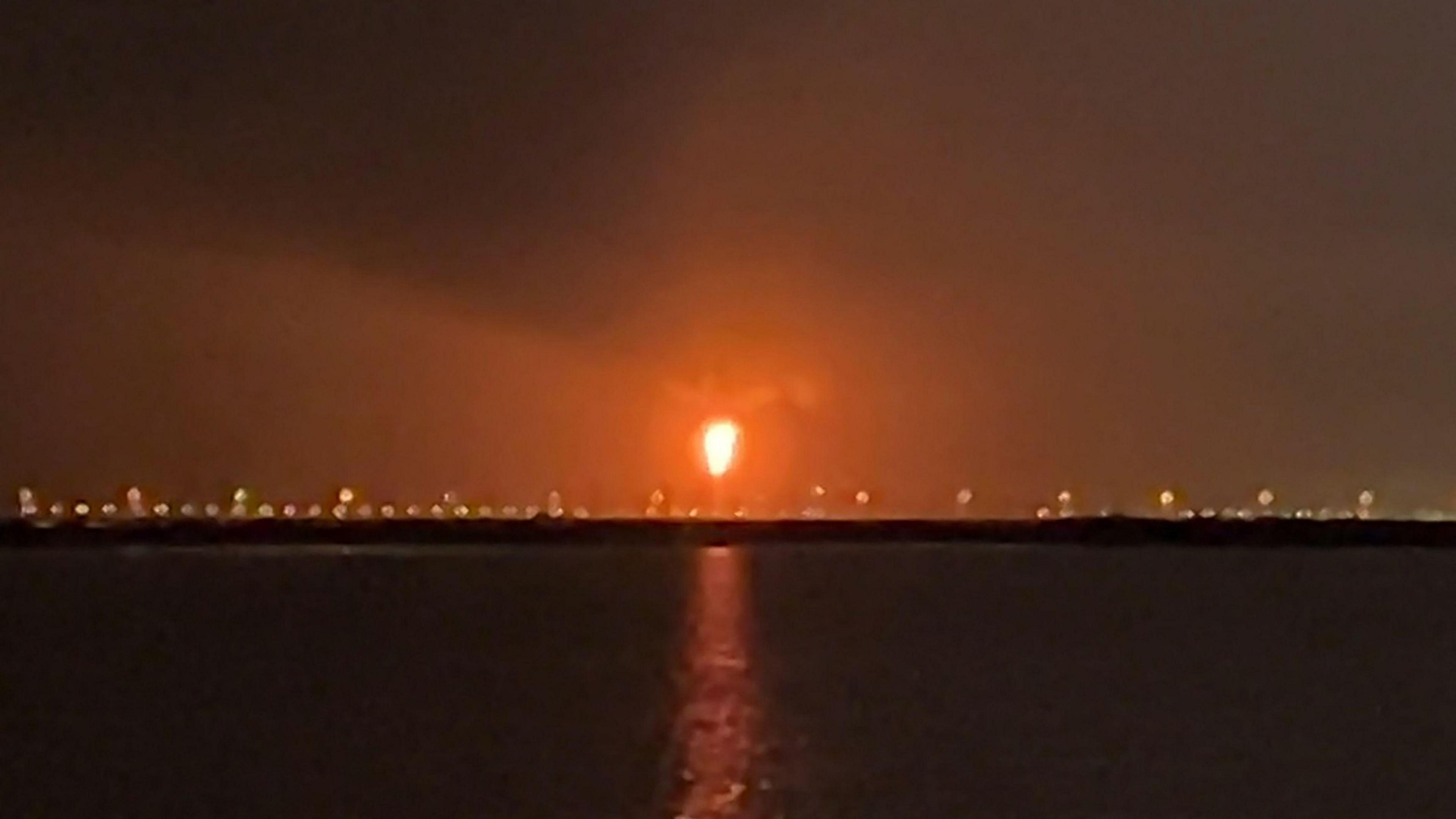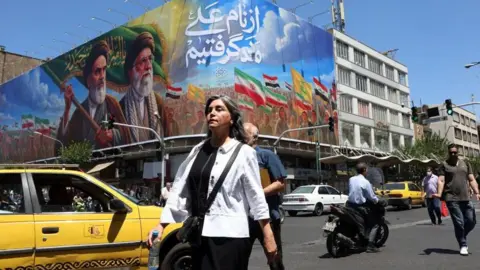
The war that erupted on 28 February 2026—spurred by U.S. and Israeli pre‑emptive attacks—has become a stark reminder of the limits of American dominance in the Middle East. Despite initial forecasts of a swift victory, the campaign proved protracted, leaving civilians dead and cities scarred across the region.
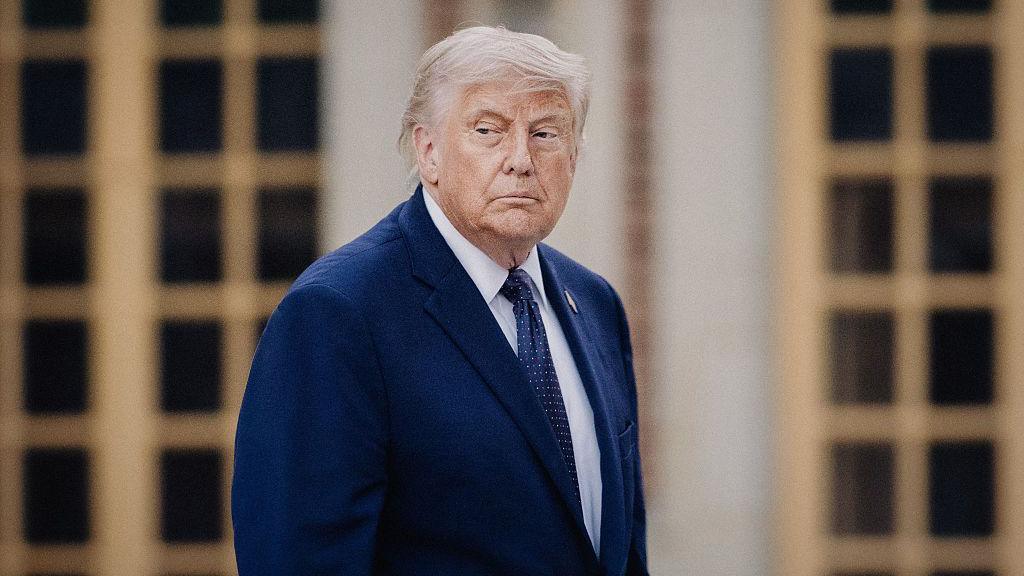
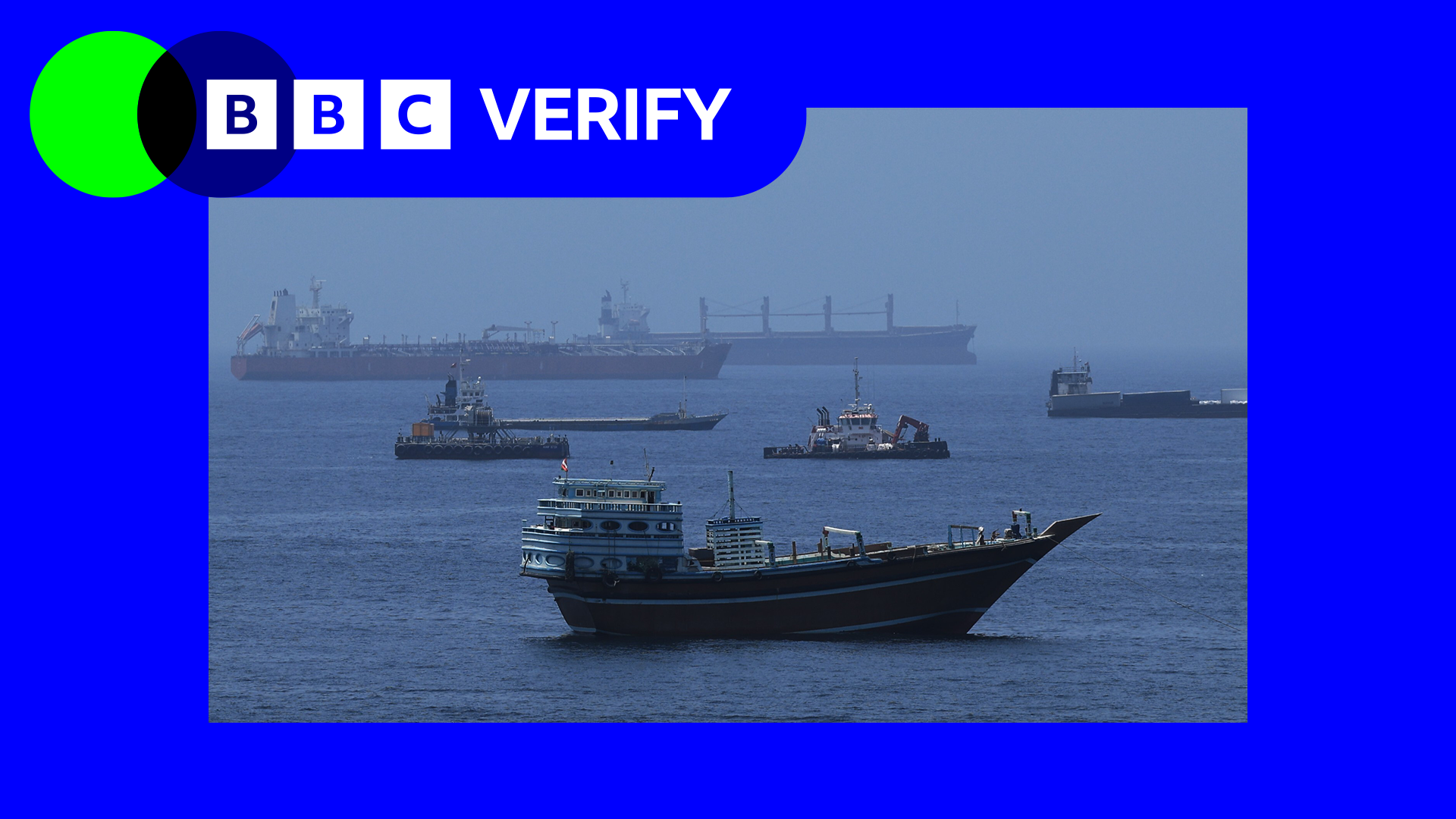
Central to the conflict’s escalation was the closure of the Strait of Hormuz, a waterway that carries roughly 20% of global oil traffic. The temporary blockade threatened to spike energy prices, disrupt fertilizer production crucial for African agriculture, and strain global supply chains. President Trump’s insistence on reopening the strait was part of his broader rhetoric that the war would be “short, sharp, and victorious.” The reality, however, proved otherwise.
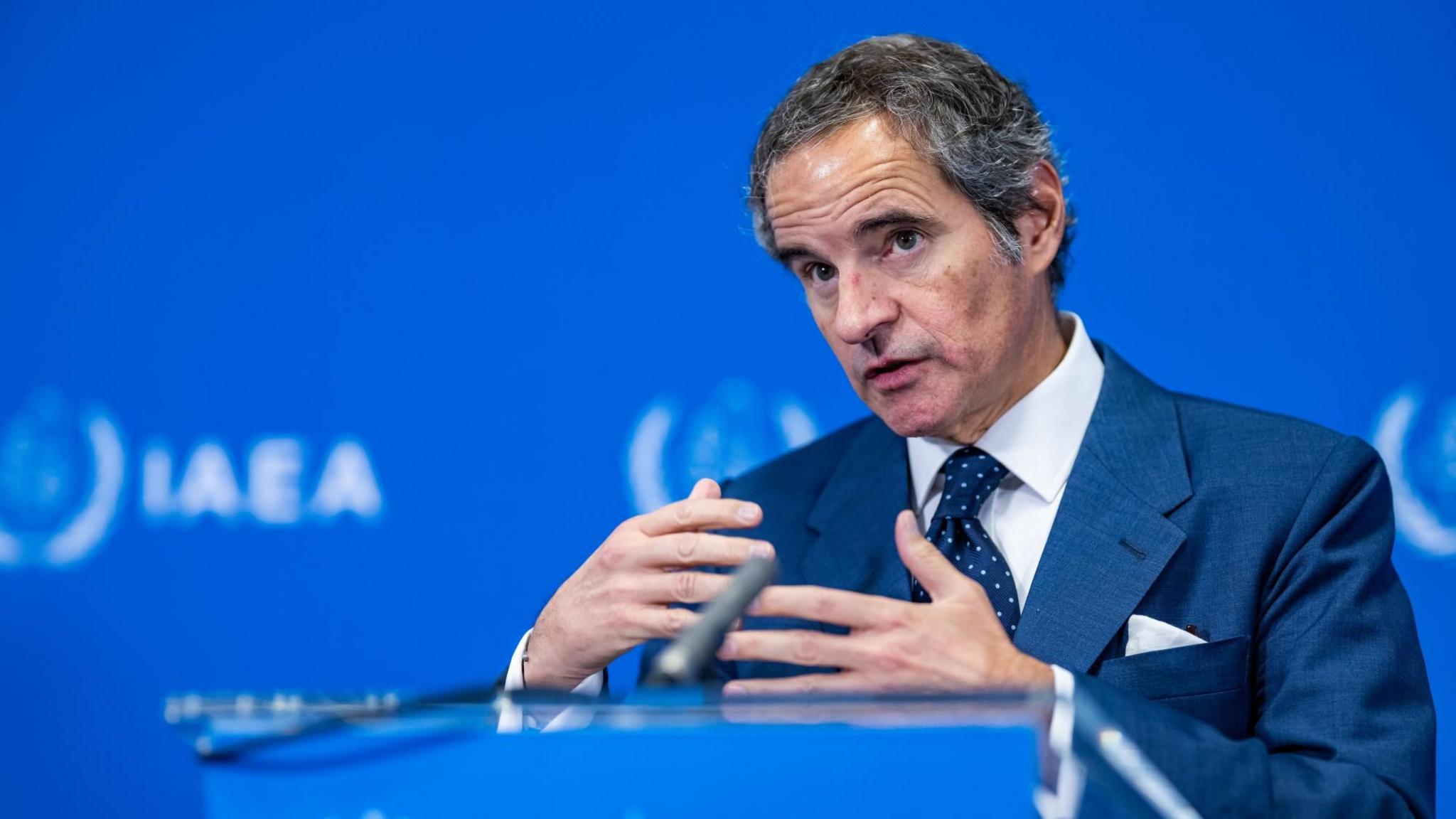
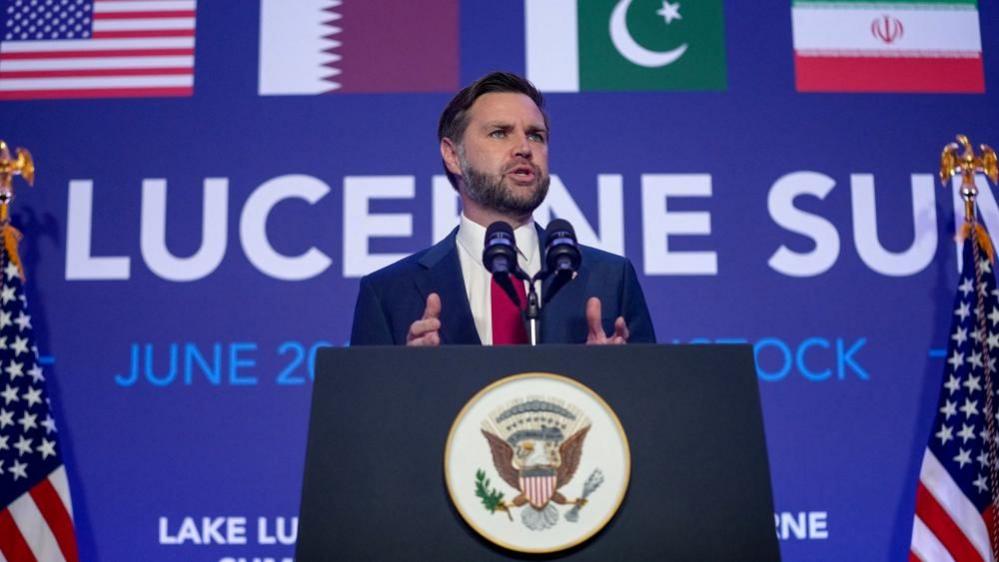
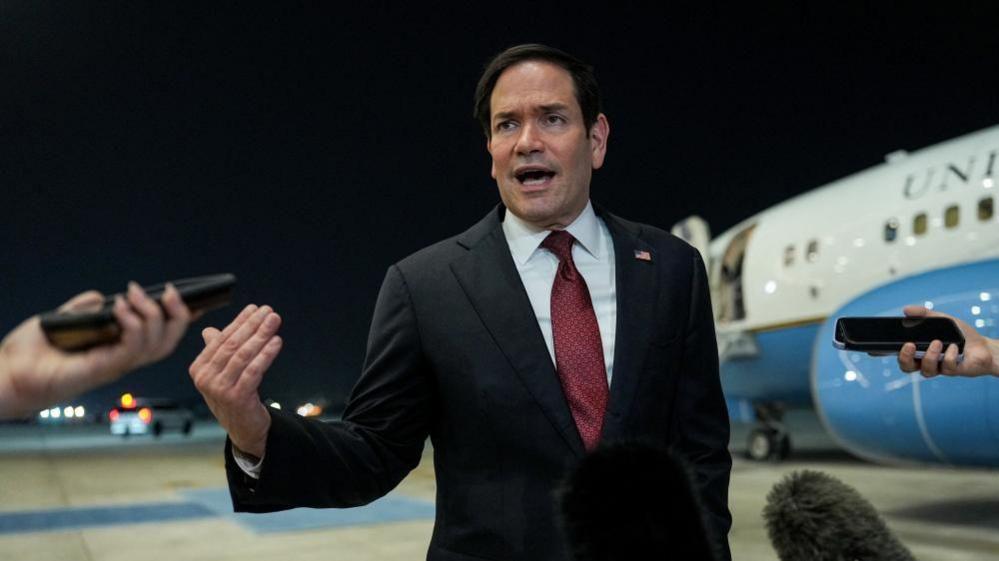
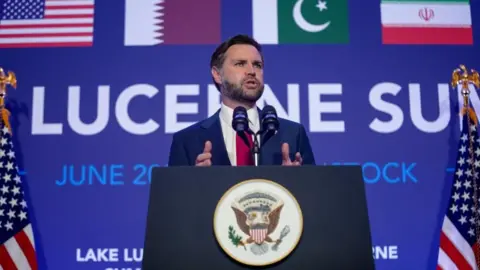
A turn of events unfolded when the United States and Iran signed a memorandum of understanding that effectively ended the immediate hostilities. The agreement, still unpublished in detail but widely reported to cover 14 key points, re‑opened the Strait of Hormuz, lifted the U.S. navy’s blockade of Iranian ports, and extended a ceasefire that had been stalled for weeks. Though it does not address the full spectrum of contentious issues—particularly Iran’s nuclear programme and future sanctions—the deal marks a significant pause, allowing diplomatic traffic to resume and setting the stage for further talks.
The memorandum also signals a shift in regional alliances. Gulf monarchies, long reliant on U.S. military support, now face the prospect of recalibration in the wake of diminished American presence. China, too, has seen the U.S. push beyond its supply limits and is positioning itself as a potential stabilizing counterweight.
Israel’s role in the negotiations remains ambiguous. While Israel had been a frontline ally in the initial aggression, it was excluded from the final agreement, raising uncertainty about its future influence over the region and its own security strategy. Premier Benjamin Netanyahu faces domestic pressure to reassess strategies regarding Lebanon and the occupied southern territories, proposing expansion into these areas amid rising hard‑liner calls for annexation.
Within the next few months, the world will watch to see whether the ceasefire holds and if Iran moves toward deeper cooperation on nuclear protocols. In the meantime, the restoration of normal maritime traffic offers economic relief that could spare millions of rural Africans from famine by ensuring fertilizer supplies reach their farms.
The ramifications of the war and its abrupt end underscore the fragility of global hegemonies. While the United States retains substantial military and economic clout, the 2026 engagements expose challenges to that dominance, urging a recalibration toward more measured, collaborative diplomacy rather than unilateral military ventures.