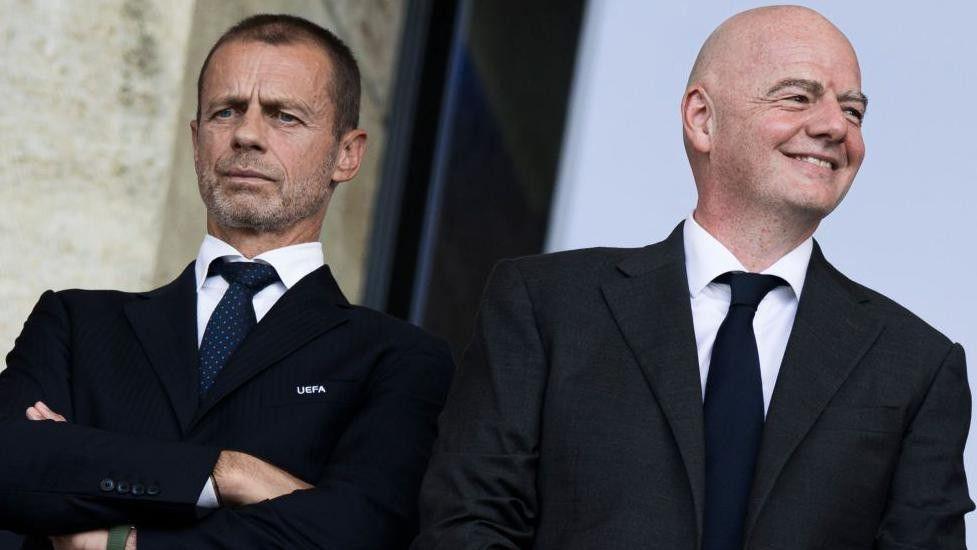
UEFA threatens boycott amid FIFA’s World Cup sale plan
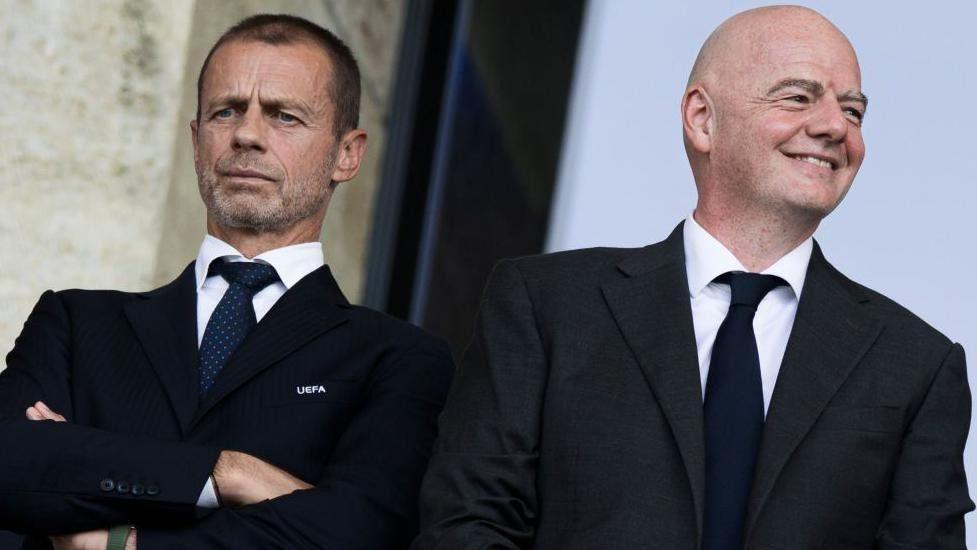
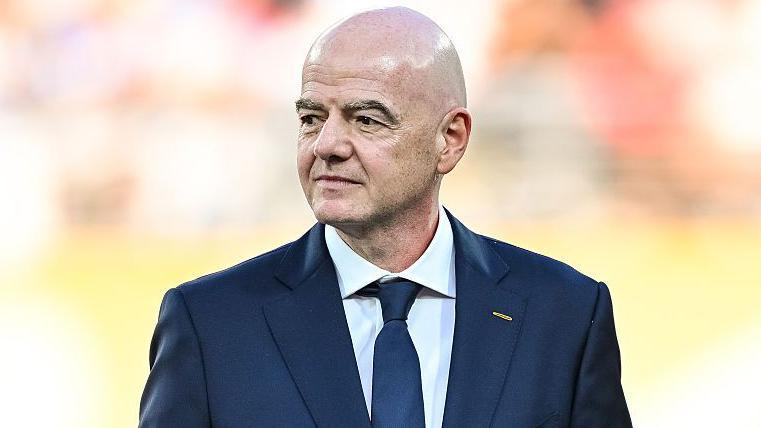
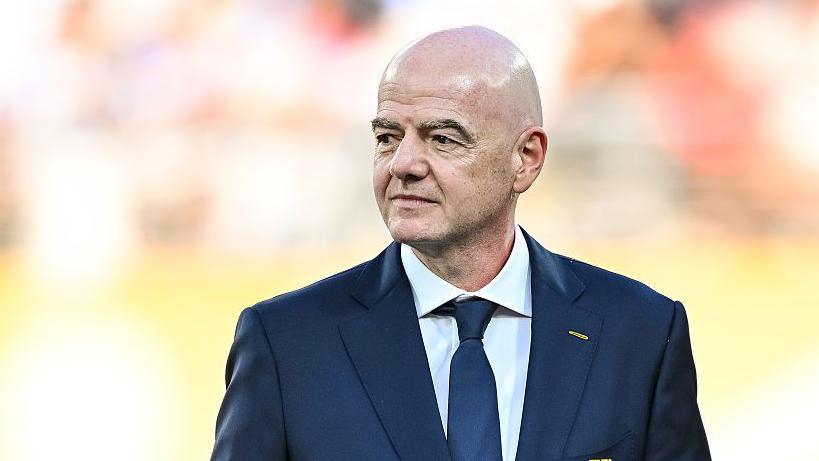
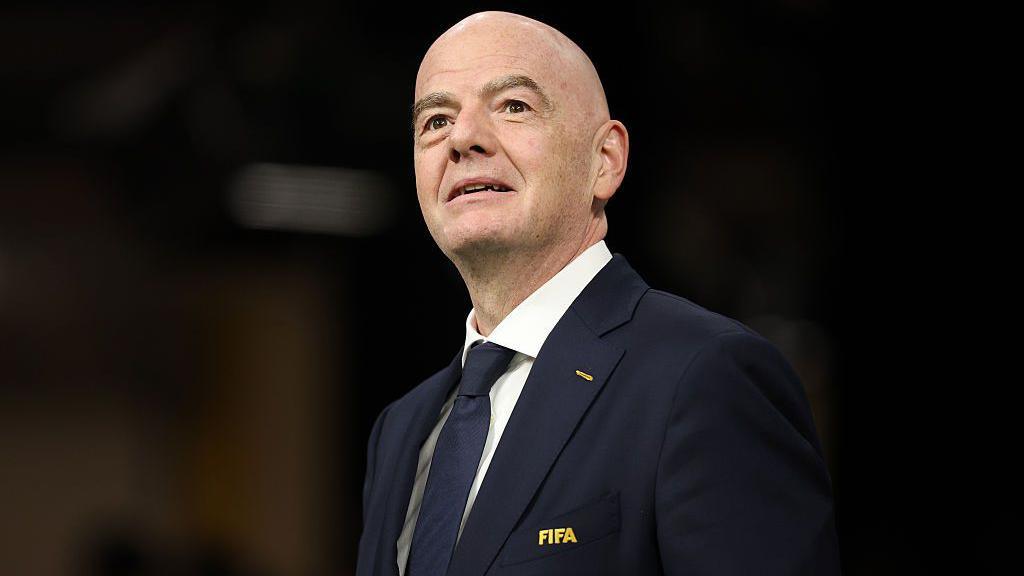
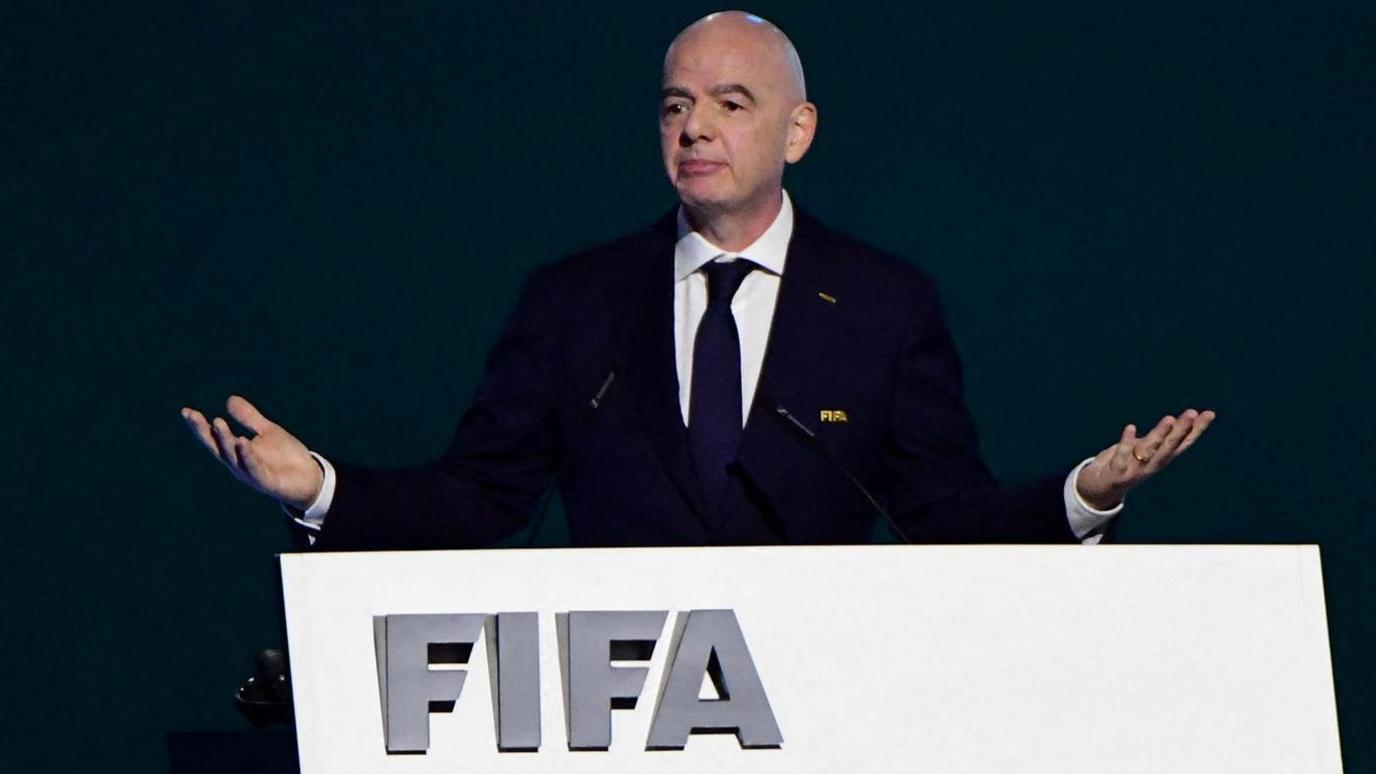
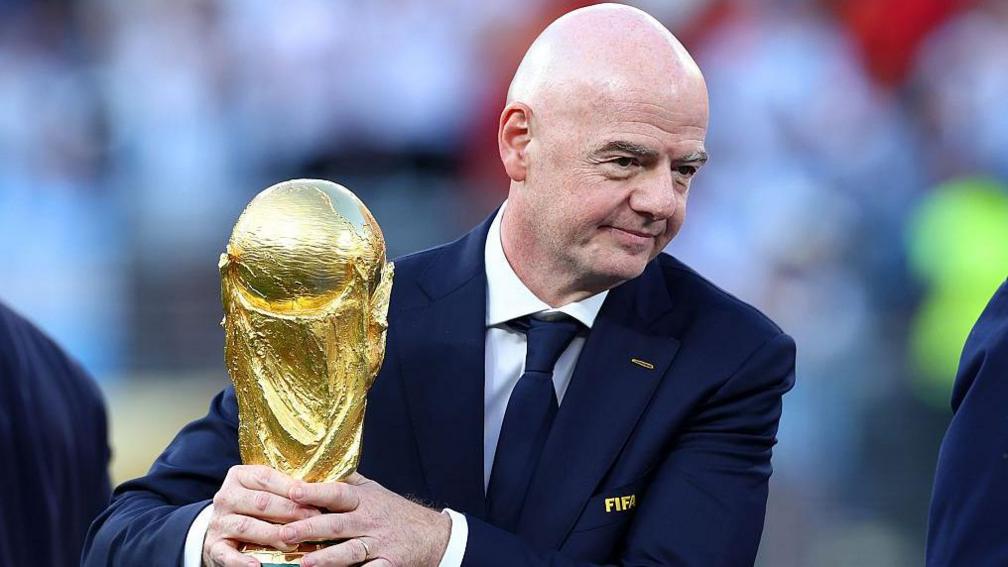
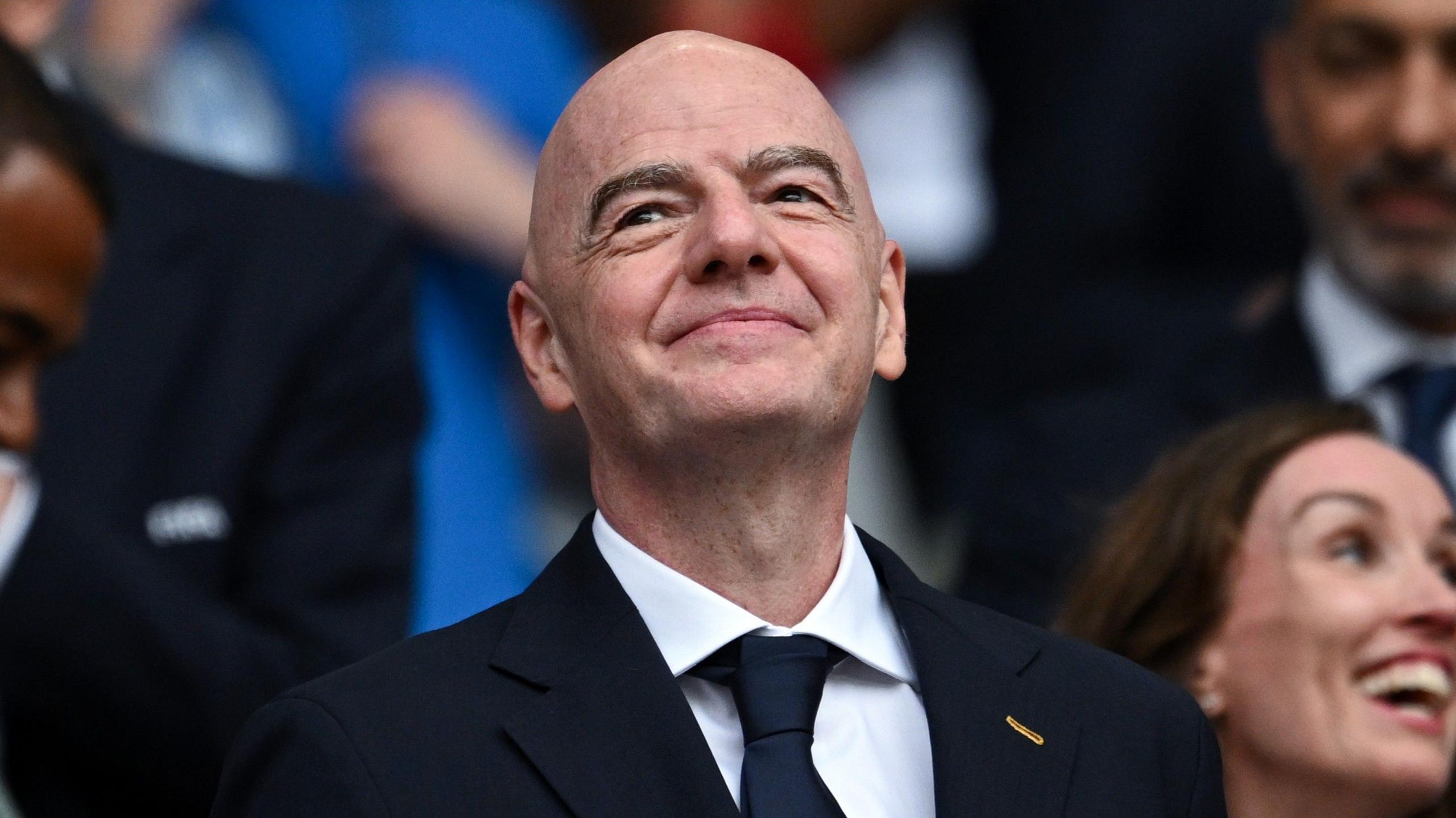
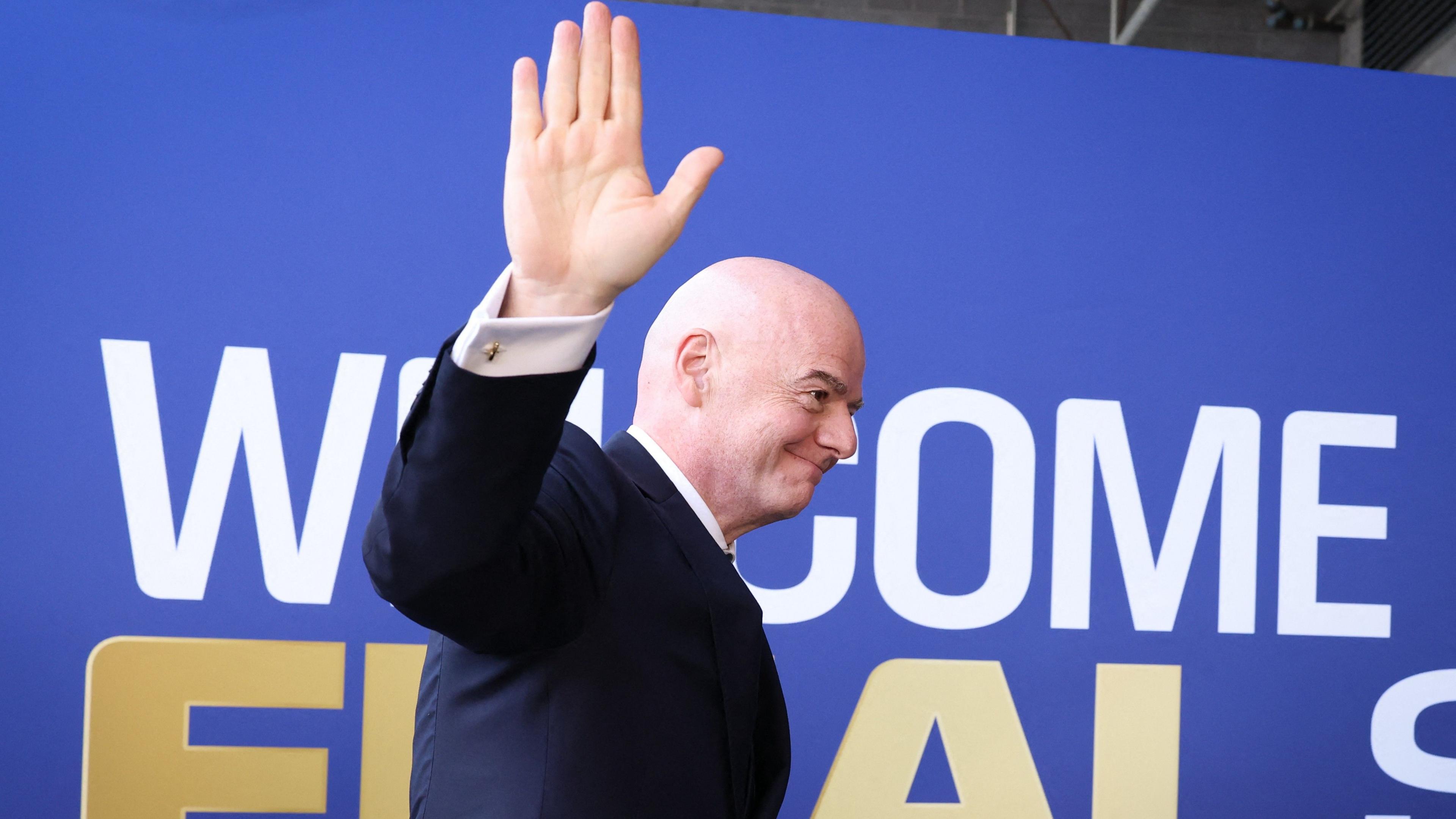
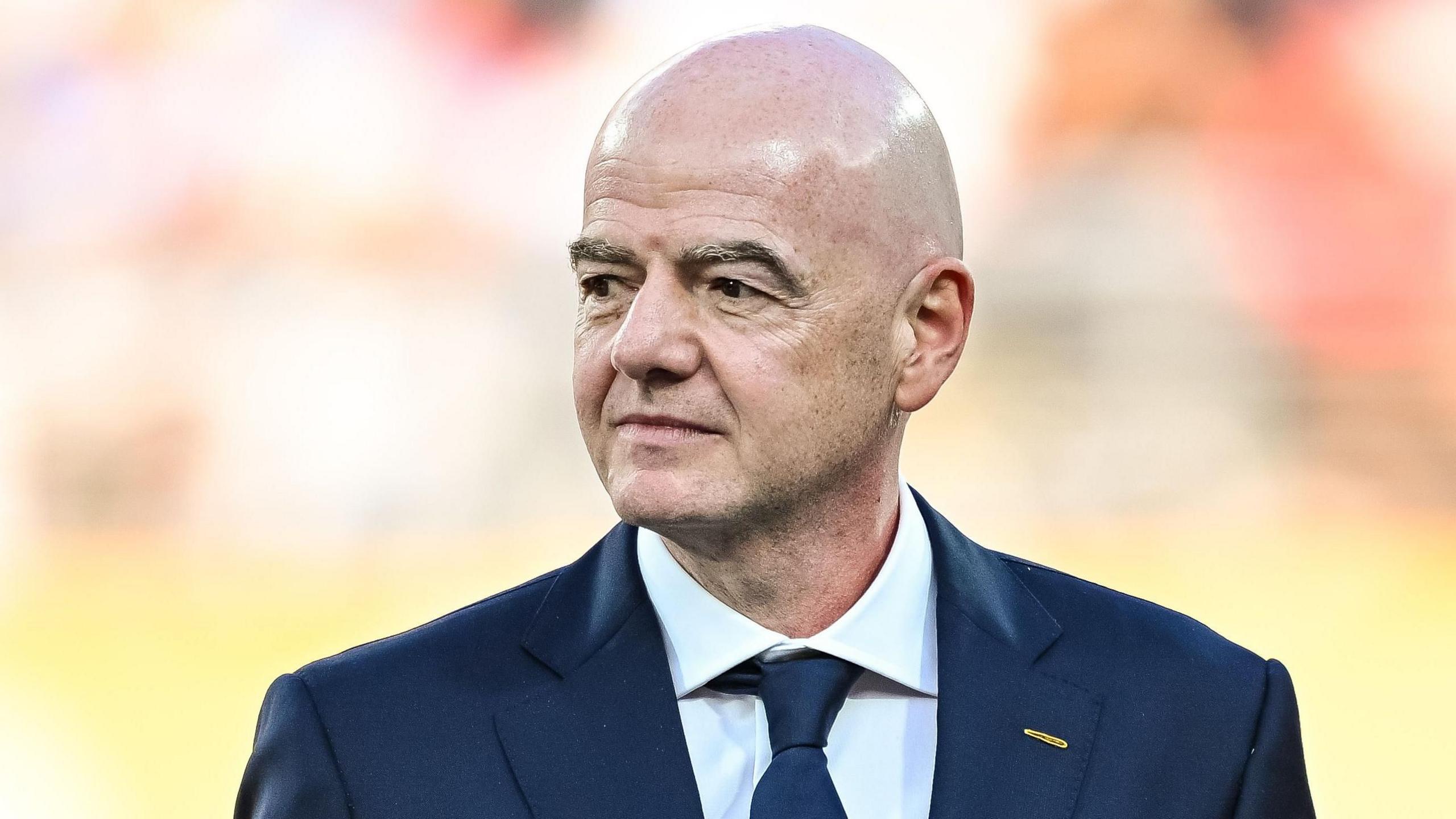
On Thursday 30 July, UEFA slipped an ultimatum to FIFA: if the federation’s president Gianni Infantino sells a 20% stake in the subsidiary that will run the World Cup, UEFA and its member associations will abstain from all FIFA competitions.
The bid, meant to attract private investment – notably from Joshua Kushner, Donald Trump’s son‑in‑law – has been slammed as a “friend‑deal”, sparking alarm that it could alter the long‑standing alliance between the European confederation and FIFA.
A growing chorus of national associations has already turned up the protest. Concacaf, which hosted this year’s World Cup, declared that its 41 members rejected Infantino’s proposals outright, affirming a stance that echoes across the global sporting community.
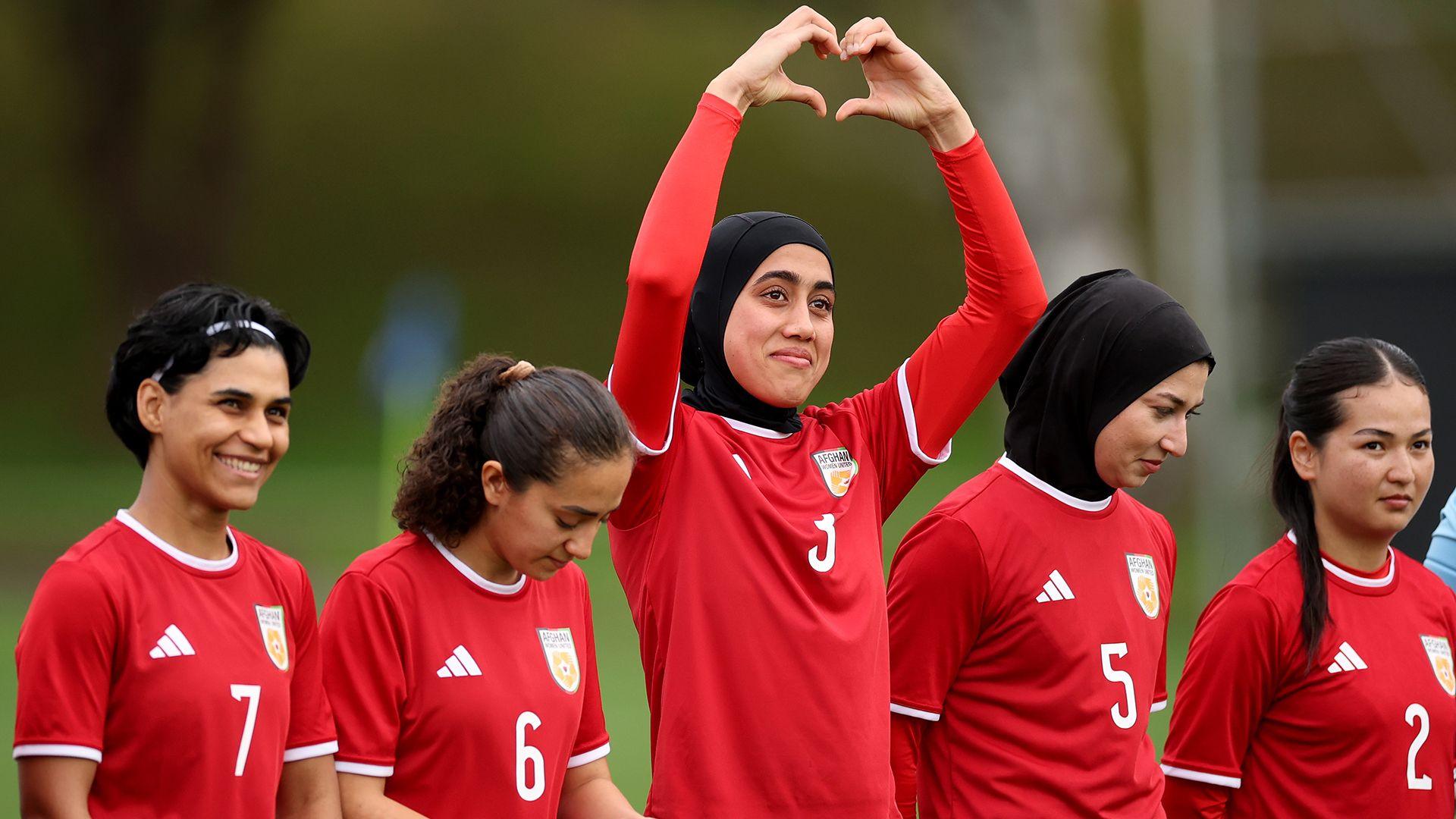
The implications are profound. The U20 Women’s World Cup, slated to kick off in Poland on 5 September, and the October Women’s World Cup play‑offs involve several European nations. A European boycott could mean withdrawal mid‑tournament, eroding competitive integrity and commercial value.
Notable voices weigh in. FA chair Debbie Hewitt pledged “shoulder to shoulder with our European colleagues”, while Scottish FA president Mike Mullane echoed the sentiment. Critics describe the decision as “anger” and a sign that Infantino may have overplayed his hand.
The global reaction reaches back to history. European football, the strongest confederation by sheer influence, has seen past conflicts like the failed European Super League. Now the focus is on whether Infantino’s potential loss will trigger a split or a forced recalibration of the governing structure.
Speculation about a replacement has flared. Names like Qatari oligarch Nasser Al‑Khelaifi surface, but insiders say he is unlikely to seek the role. Key figures such as former FA chairman David Bernstein and ex‑UEFA chief executive Lars‑Christer Olsson warn that Infantino could survive only if he retains backing from enough member associations.
The stakes are high: a unilateral boycott could disrupt the commercial engine behind FIFA’s flagship events, but a continued partnership may demand fresh structural reforms to prevent similar cliffhangers. Football’s governing bodies stand at the brink, and the next 48‑hour window will decide if Europe remains intertwined or sets its own course.