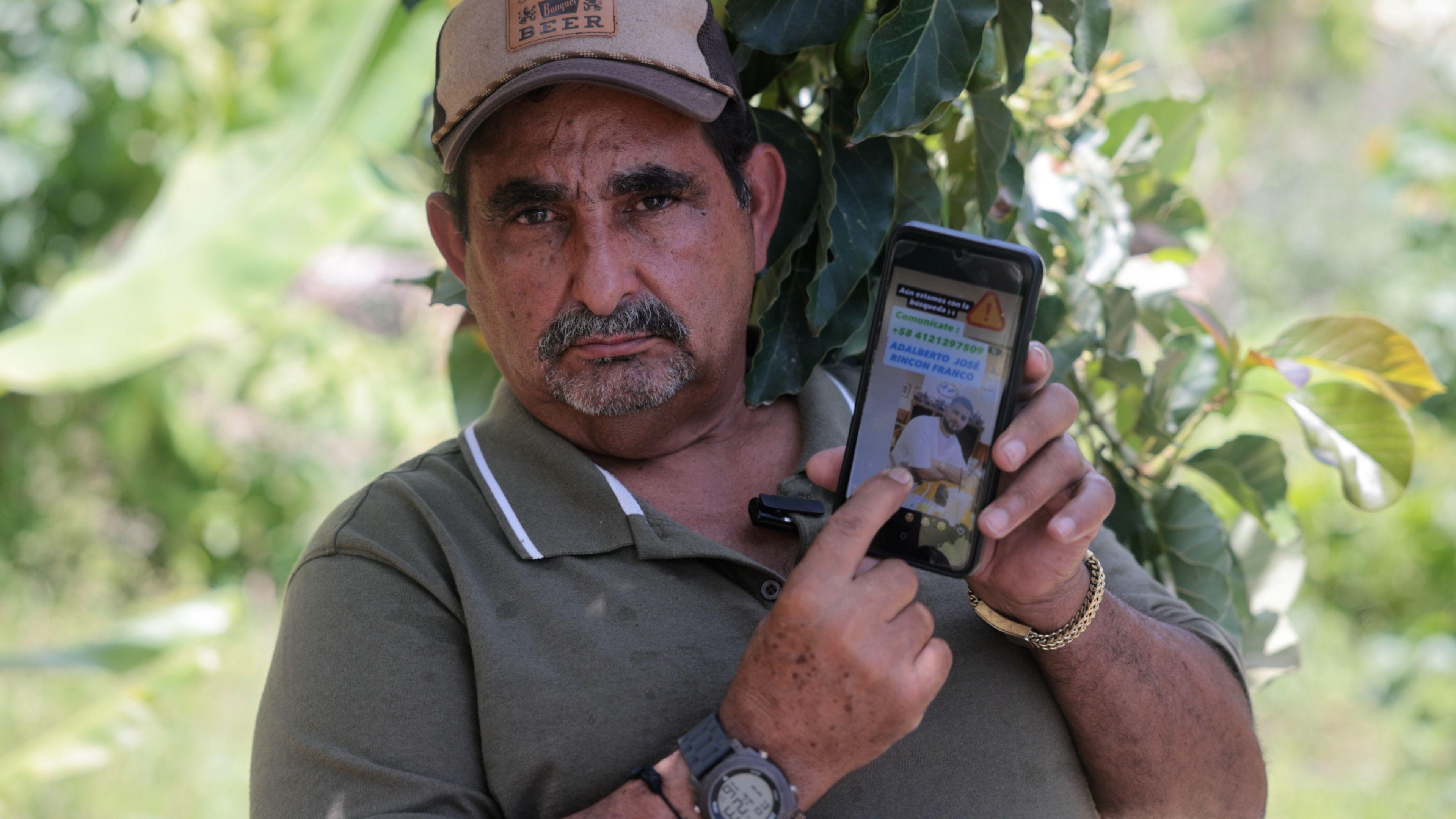
Abelardo Rincón, a 23‑year‑old Venezuelan who had built a life in Georgia, worked at a car dealership, married and was awaiting the birth of his daughter when US immigration officials detained him under President Donald Trump’s crackdown. He was carried onto flight 164, one of more than 140 Venezuelan migrants on a short‑haul flight to La Guaira, with women, children and other adults.
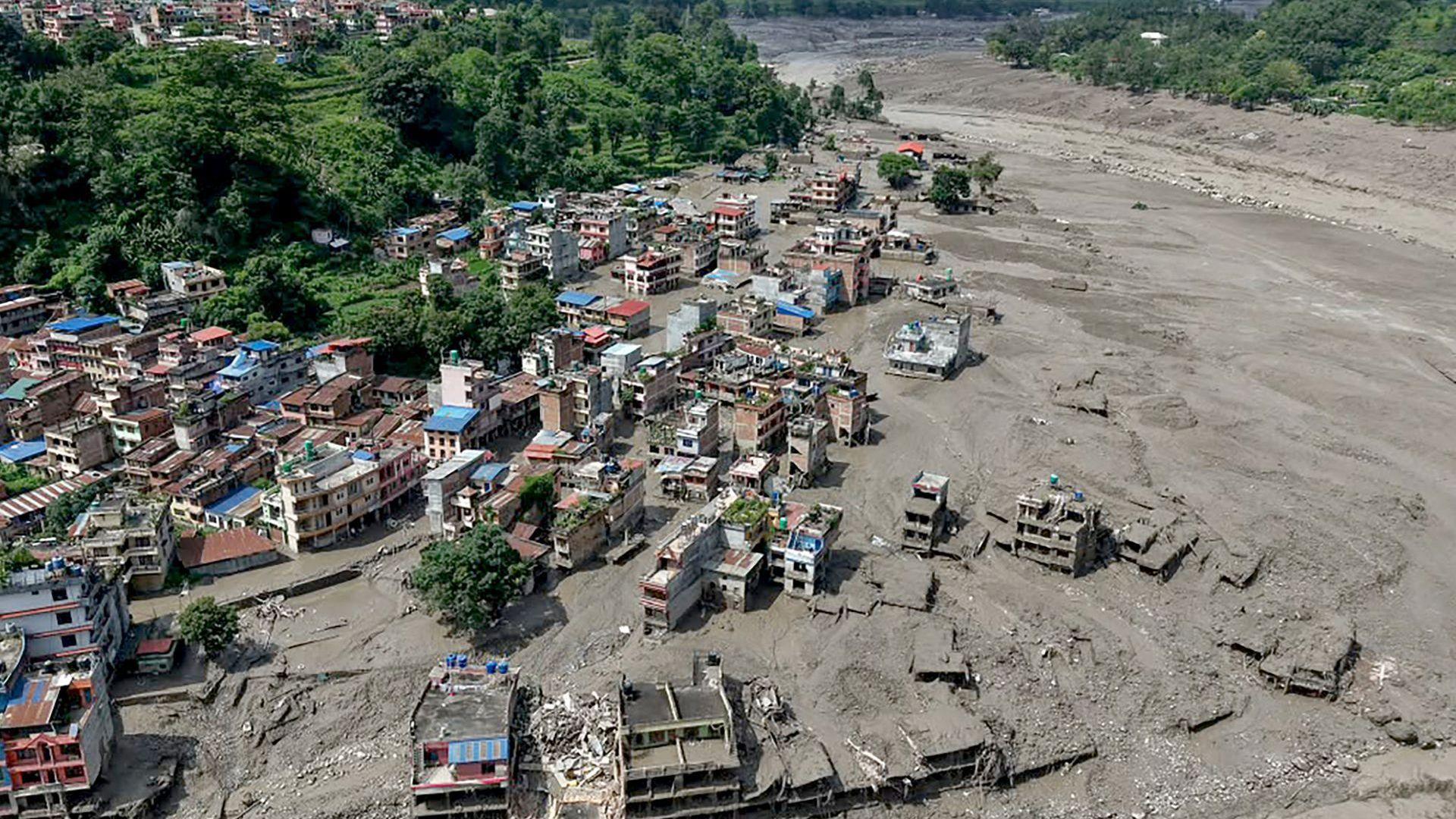
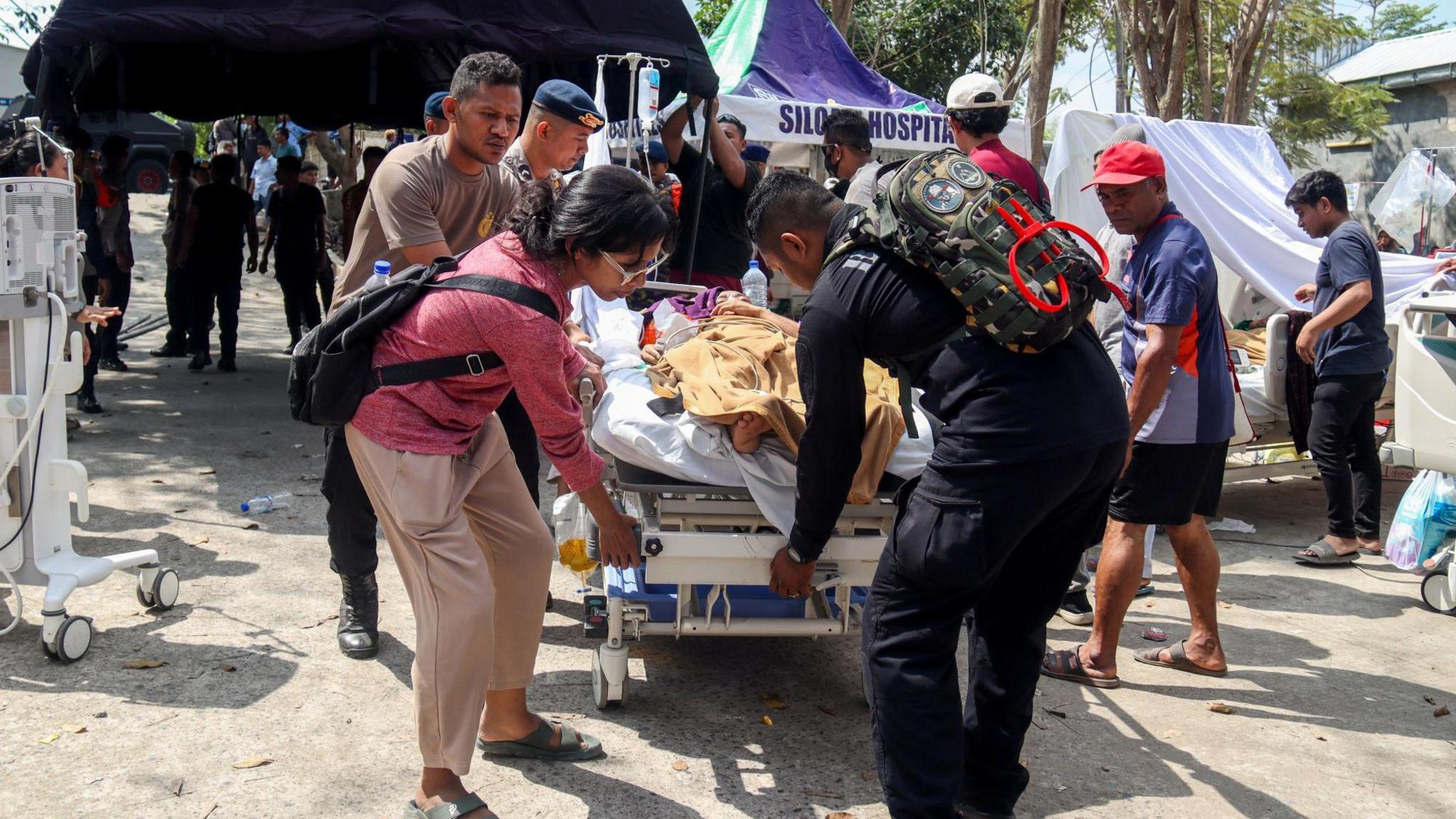
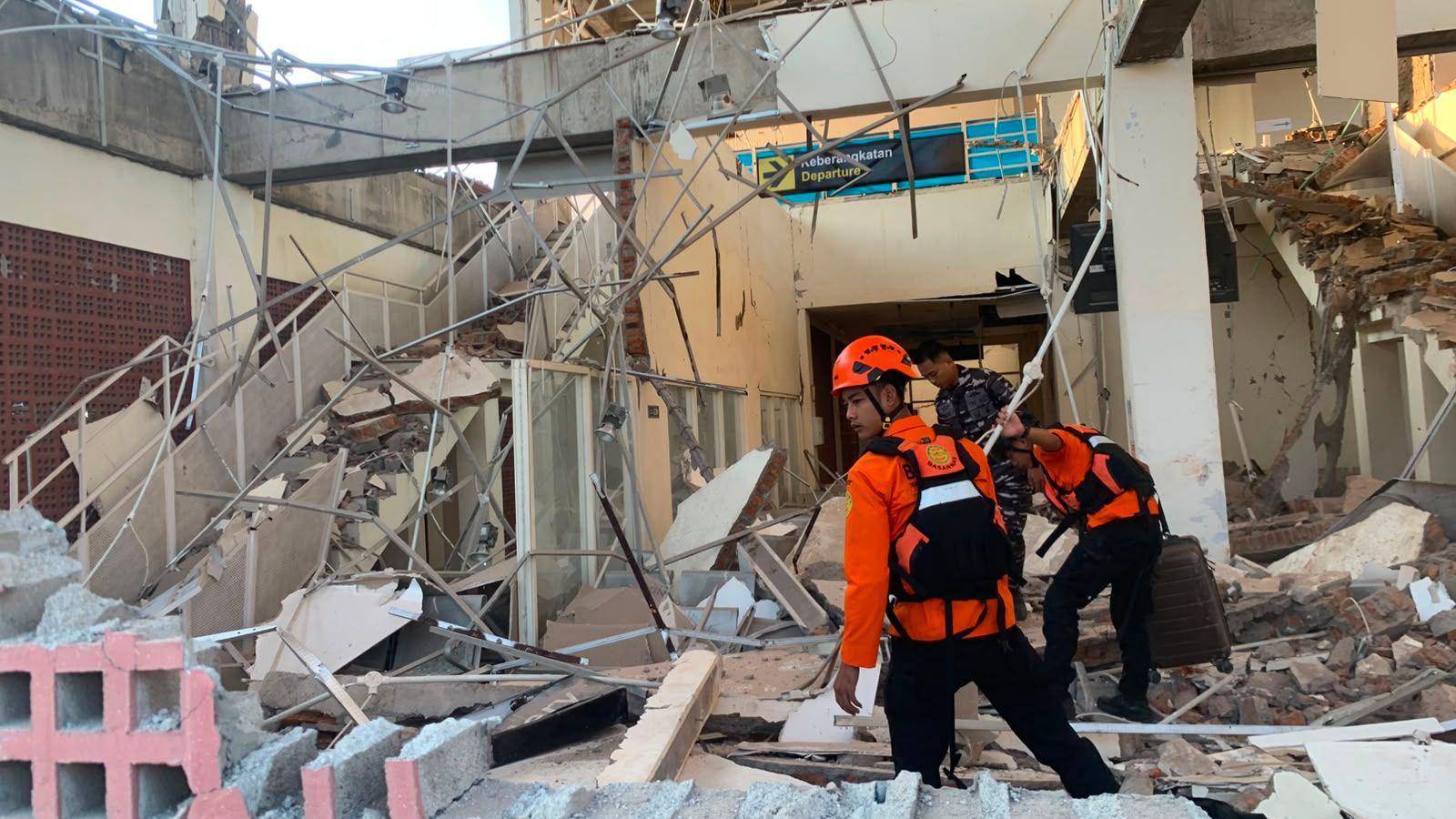
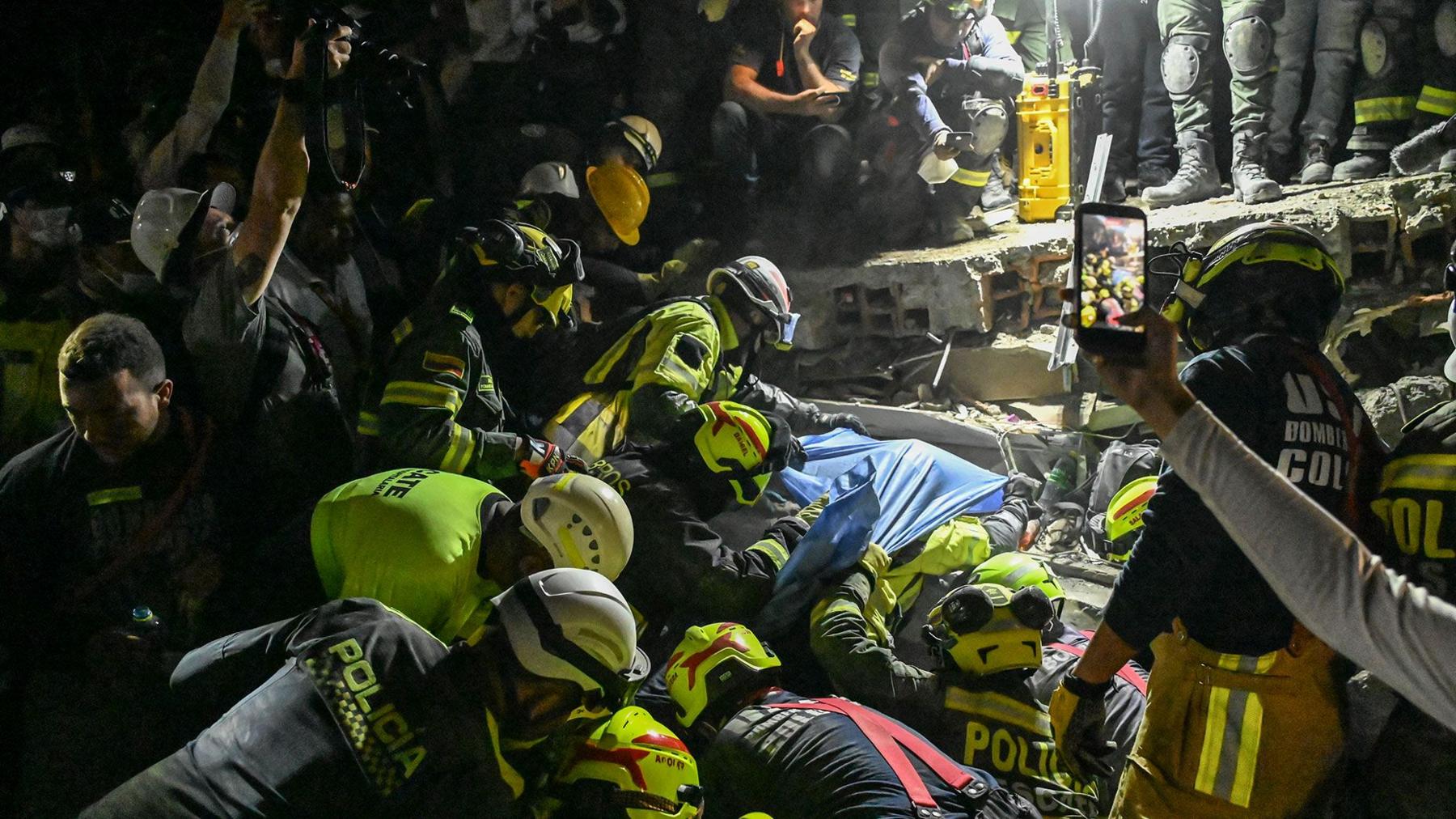
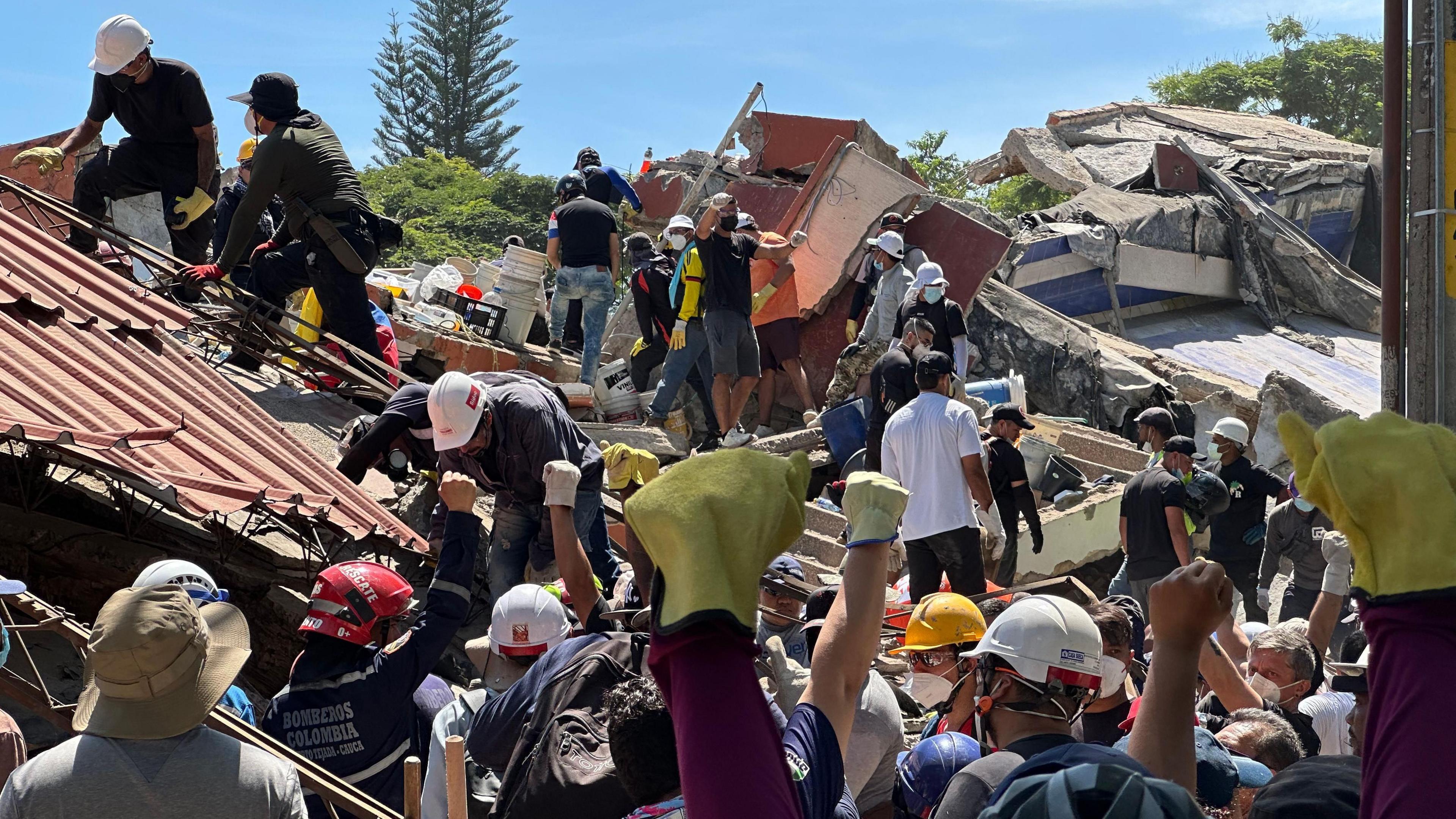
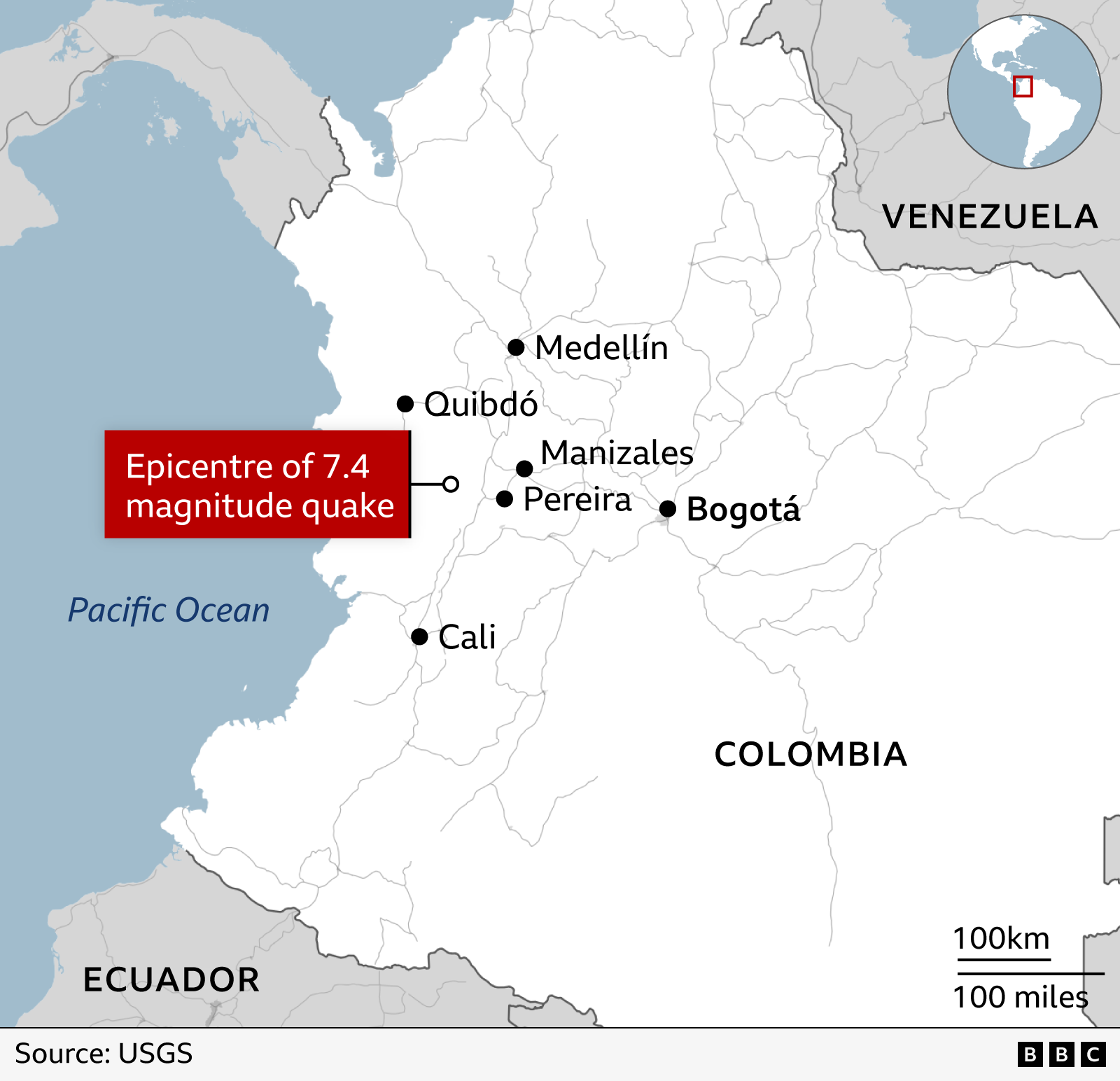
After landing on 24 June, the passengers were handed a hotel key at Hotel Santuario La Llanada to await medical examinations. Hours afterward, twin earthquakes struck the coastal state of La Guaira, killing an estimated 2,200 people, injuring over 10,000 and leaving 50,000 missing according to UN figures. The quake destroyed the hotel where the deportees were staying, trapping many of them underground.
Rincón’s family in Atlanta immediately received his call from the airport, only to hear that almost the whole flight was suddenly placed in rubble. Volcano‑scale devastation left the three‑line families and their grieving neighbors uncertain whether Rincón had survived or perished.
DHS officials later confirmed the flight’s safe arrival in Venezuela, saying “all illegal aliens on board were returned home” and that ICE was no longer responsible for passengers after release of custody. No further details were supplied, and the reasons for the detainees’ deportation remain unclear.
Stories from other passengers illustrate the disaster’s spread. Darwin Eliecer Serrano Lopez, who had spent four years in the United States before returning, had his life turned upside down when the quake hit; he was later discovered dead in the rubble. Other families, such as that of Daniel Alejandro Núñez, contested conflicting reports from hospitals and morgues as they searched for missing relatives, while some survivors were rescued after being trapped for days.
The cascade of state actions – arrest, detention, deportation, and sudden natural disaster – has sparked anger among Venezuelans who feel the government has failed in emergency response. They demand transparency and faster aid, while the International Red Cross and other NGOs scramble to locate survivors amid the collapsed city.