US inflation slowed to 3.4% in the year up to July, easing from 3.5% in June, according to new data from the Bureau of Labor Statistics.
July’s price climb was driven mainly by a 0.1% month‑to‑month rise in housing costs. Energy remained volatile, with gasoline down 2.9% from June but up 24.6% year‑over‑year.
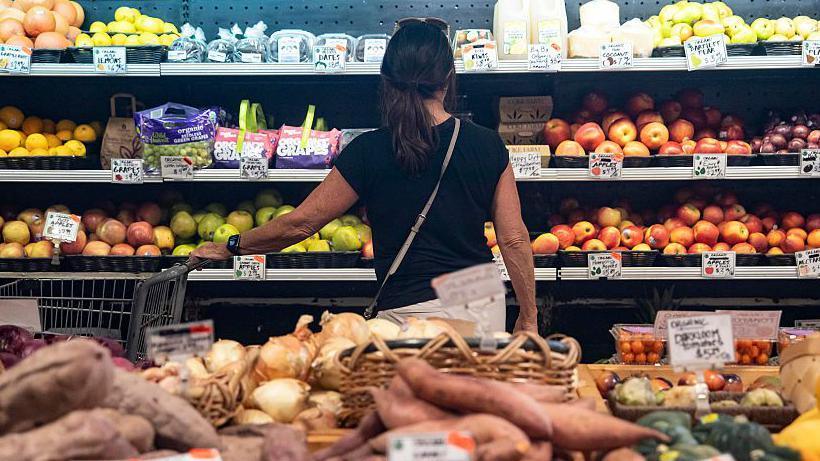
Food prices saw only a modest increase, slower than in June, while energy costs fell, giving consumers a breather.
Core inflation – the measure that strips out food and energy – climbed 0.2% after staying flat in June, with small lifts in medical care and airline tickets and a drop in car insurance.
New Fed chair Kevin Warsh said the central bank’s priority is to “keep inflation moving down” while avoiding unnecessary economic shocks, warning that the bank could not simply undo years of above‑target rates.
President Donald Trump has also flagged the high cost of living, citing rising rents and grocery bills as key concerns for families.
Financial markets responded with little change, with stocks largely flat as the figures matched expectations.
Job‑loss data released in July further eased expectations for a rate hike, following a report that revealed a loss of jobs.