U.S. Mid‑Terms 2026: What Voters Need to Know
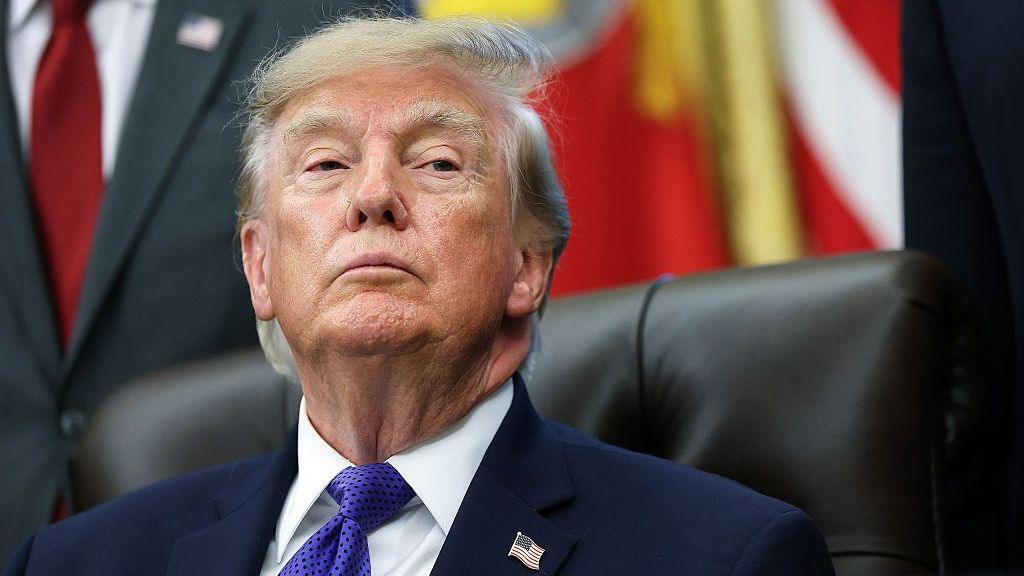
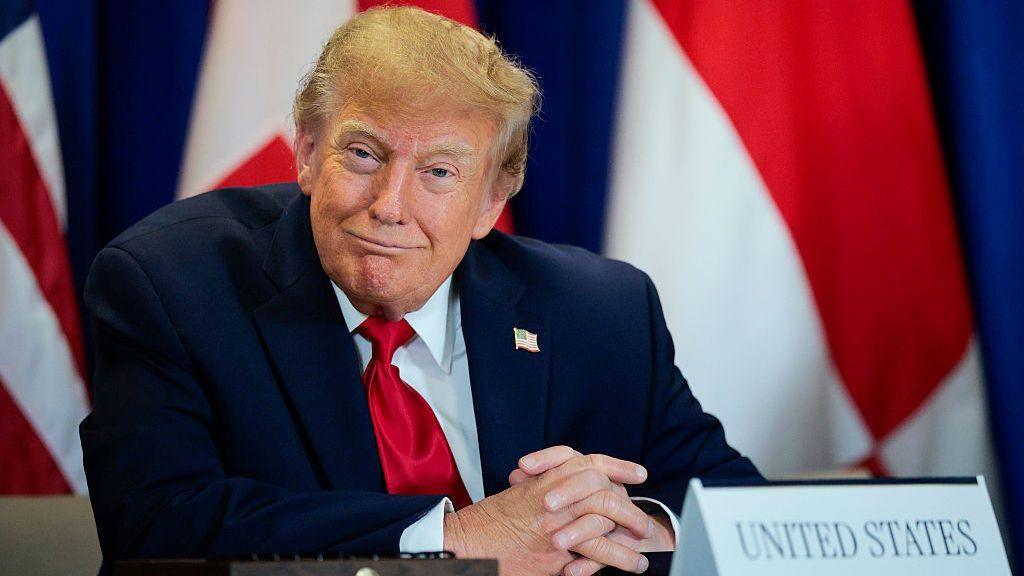
Only four weeks remain until the November 3 elections that will decide the future of Congress and the direction of the United States under President Donald Trump.
What Are the Mid‑Terms?
Mid‑term elections are held midway through a president’s four‑year term, choosing every member of the House of Representatives and half of the Senate. The elections also fill many state‑level positions such as governors.
The outcome determines which party controls Congress and, consequently, how easily the president can advance his agenda. Historically, the party in the White House tends to lose seats, reflecting public approval or disapproval of its performance.
Who Is Being Elected?
All 435 House seats and 50 of the 100 Senate seats are up for election. Voters will also decide on key statewide contests, including high‑profile gubernatorial battles in California, Florida, Georgia and Michigan.
Key Issues on the Ballot
Voters are most concerned with the economy, including inflation driven by recent global conflicts, and rising costs for food, fuel and housing. Trade tariffs, immigration enforcement and new AI regulations rank high in debates, with Democrats advocating for stricter oversight versus Trump’s push for minimal constraints.
What Is at Stake?
Both the House and Senate are currently held by Republicans but only by a narrow margin—218 seats in the House and 53 in the Senate. A Democratic gain in at least one chamber would empower new legislation and allow investigative committees to examine presidential conduct.
Potential Winners and Races of Interest
Polling indicates a decline in Trump’s approval, sits at roughly 37% with 61% disapproval. While some seats are safe for incumbents, 42 House races and nine Senate races are deemed competitive, especially in swing states such as Iowa, New Hampshire, Arizona and Ohio.
Implications for Trump
If Democrats capture a chamber, Trump’s ability to push through legislation will be curtailed, and Congress could launch investigations into his administration. A Democratic majority might also set the stage for an impeachment inquiry. Conversely, if Republicans maintain control, Trump can continue pursuing his agenda.
What This Means for the 2028 Election
While Trump himself is not eligible to run again, the mid‑term results will signal public sentiment toward his leadership and influence the selection of future Republican and Democratic candidates for 2028. Analysts and voters alike will use the outcome to gauge the national mood heading into the next presidential cycle.