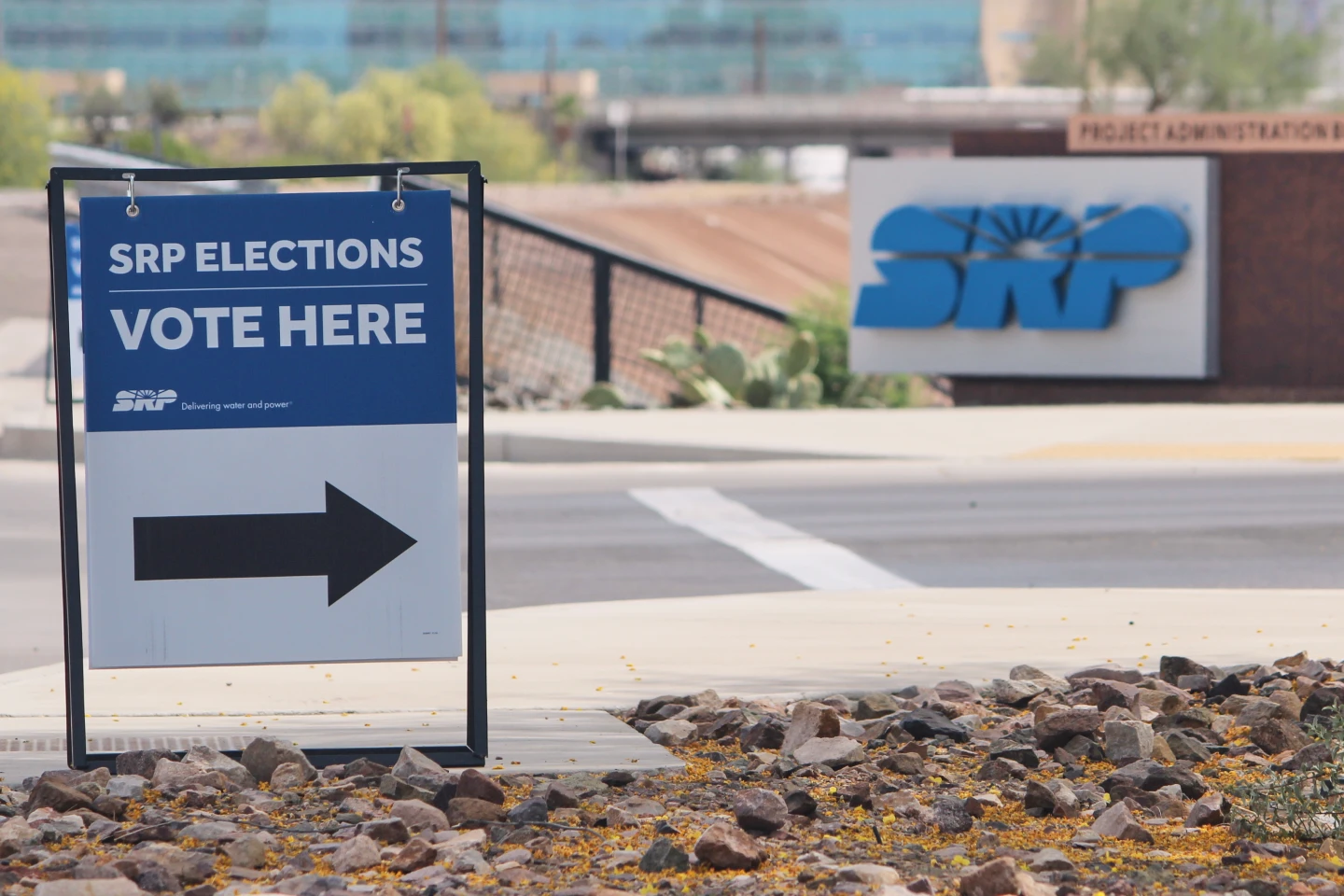
In Arizona, rising household electricity prices and the increasing prominence of data centers are reshaping local elections for utility control, turning previously quiet races into heated political contests. These tensions were prominent in previous elections in Georgia, New Jersey, and Virginia, and now they're echoing through Arizona and Alabama.
National organizations, including Turning Point Action, are mobilizing efforts to influence the upcoming elections, particularly focused on the Salt River Project, the country's largest public utility. Their campaign includes extensive door-to-door outreach and text messages aimed at voters concerned about environmental issues.
The significance of these elections is underscored by projected energy demands—utilities expect to double their power capacity within a decade, especially as areas like Phoenix become hubs for data centers. In this context, two factions are competing for control of the utility board. One side advocates for fossil fuel dependence, while the other pushes for investment in renewable energy sources.
In Alabama, similar struggles are unfolding, with rising energy bills igniting a call for reform of the Alabama Public Service Commission. Recent legislative actions aim to expand the commission and provide more consumer protections, reflecting a growing dissatisfaction with utility rates. The emergence of this issue parallels successes seen by Georgia Democrats in utility elections.
Critics point to the need for greater accountability in utility governance, amidst fears that the partisan approach could further complicate crucial decisions regarding energy sourcing and climate change initiatives.
Overall, these developments in utility elections highlight the intersection of local governance, environmental responsibility, and economic pressures, encapsulating broader national debates over energy policies.