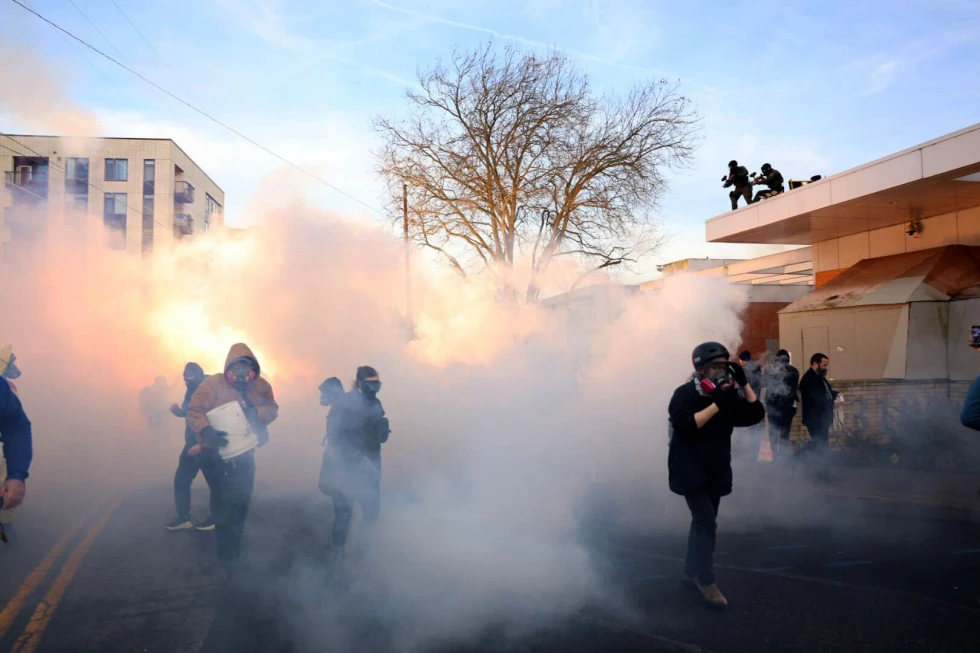
Protests have broken out in at least 17 of Iran's 31 provinces, presenting the largest challenge to the country's clerical establishment since 2022.
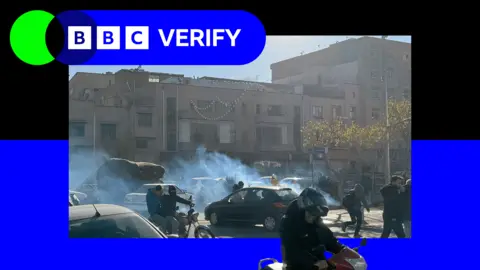
The BBC's analysis shows that these protests have spread rapidly across Iran since December 28, following a significant devaluation of the national currency. Verified footage confirms demonstrations in over 40 towns and cities, including areas traditionally loyal to the clerical regime.
Imported economic hardships, exacerbated by international sanctions and corruption within the government, have escalated citizens' frustrations into widespread unrest. Recent protests have displayed an anti-establishment tone, with chants denouncing Supreme Leader Ayatollah Ali Khamenei.
Evidence suggests that the unrest is not only being fueled by economic struggles but is also a response to systemic mismanagement by the Iranian government. The protests in historically supportive cities like Qom and Mashhad are particularly notable, indicating a shift in public sentiment.
In Malekshahi, violence erupted, resulting in fatalities and injured demonstrators as security forces engaged aggressively with the crowd. Reports indicate that at least 35 people have been killed since the protests began.
Experts warn that the Iranian authorities may intensify their violence as they attempt to quell the disorder, but this strategy faces potential backlash as popular resentment grows among the population.
Despite the severity of protests and confrontations between demonstrators and security forces, analysts suggest that while the unrest reflects deep dissatisfaction, it may not pose an immediate threat to the stability of the current regime.