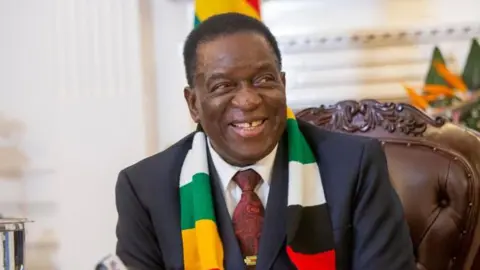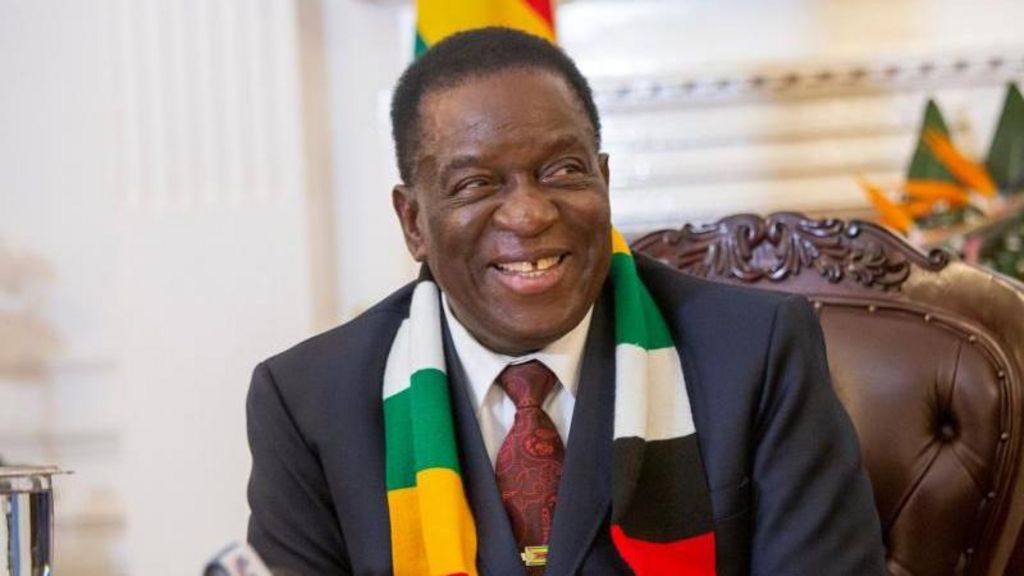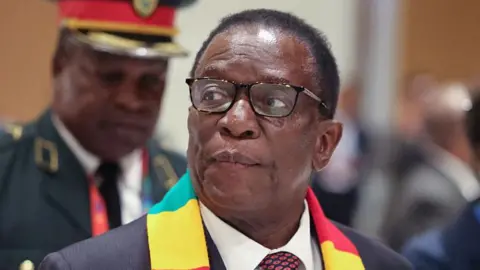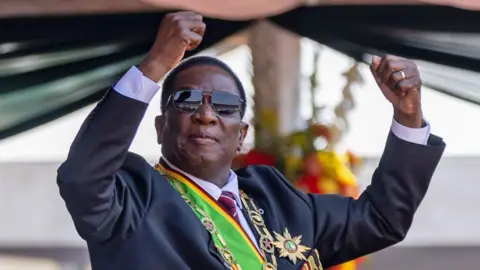
Zimbabwe's cabinet has approved draft legislation that would allow President Emmerson Mnangagwa, 83, to extend his stay in office until at least 2030. Under the proposals, presidents would be selected by Members of Parliament instead of a direct vote and could serve up to two seven-year terms, changing from the current five-year terms.
Justice Minister Ziyambi Ziyambi indicated that public consultations would be held before the bill advances to parliament, which is largely controlled by the ruling Zanu-PF party. Legal challenges are anticipated as constitutional experts assert a referendum is essential for any alteration of term limits and contend that such amendments should not benefit a sitting president.
Mnangagwa initially assumed power in 2017 following a military coup that displaced long-time leader Robert Mugabe. His victories in subsequent presidential elections have faced significant disputes. As his current term concludes in 2028, hints of his desire to prolong his presidency have been echoed in party slogans and public discourse.
In recent years, his authority has faced internal challenges, particularly from notable critics like Blessed Geza, who raised public discontent over nepotism and governance issues before passing away last week.
The government argues that the proposed legislation aims to enhance governance and ensure political stability ahead of its ambitions for development through 2030.