In brief
The Bulgarian Finance Ministry said on November 3 that there are no plans to reallocate contributions from the second pension pillar to the National Social Security Institute, calling the rumors disinformation. Parliamentary MP Konstantin Prodanov echoed the ministry’s stance, emphasizing that such a move never existed. The denial comes amid ongoing efforts to shore up public finances in the face of a large deficit.
Sofia, 3 November 2026 – Bulgaria’s Finance Ministry publicly denied reports that a new reform would divert funds from the second pension pillar to the National Social Security Institute (NSSI), labeling the circulating claims as disinformation.
The statement was issued by the ministry in response to speculation that had appeared in social media and news outlets. It emphasized that no plan of such a nature has ever existed and that the current policy framework will remain unchanged.
"The information being circulated is disinformation and does not reflect the truth," the Finance Ministry said.
The ministry’s denial comes at a time when the government is wrestling with a substantial fiscal deficit that has it describing the situation as an "inherited excessive deficit and weakened fiscal discipline." This backdrop has heightened scrutiny of any moves that could potentially drain public finances or alter the pension landscape.
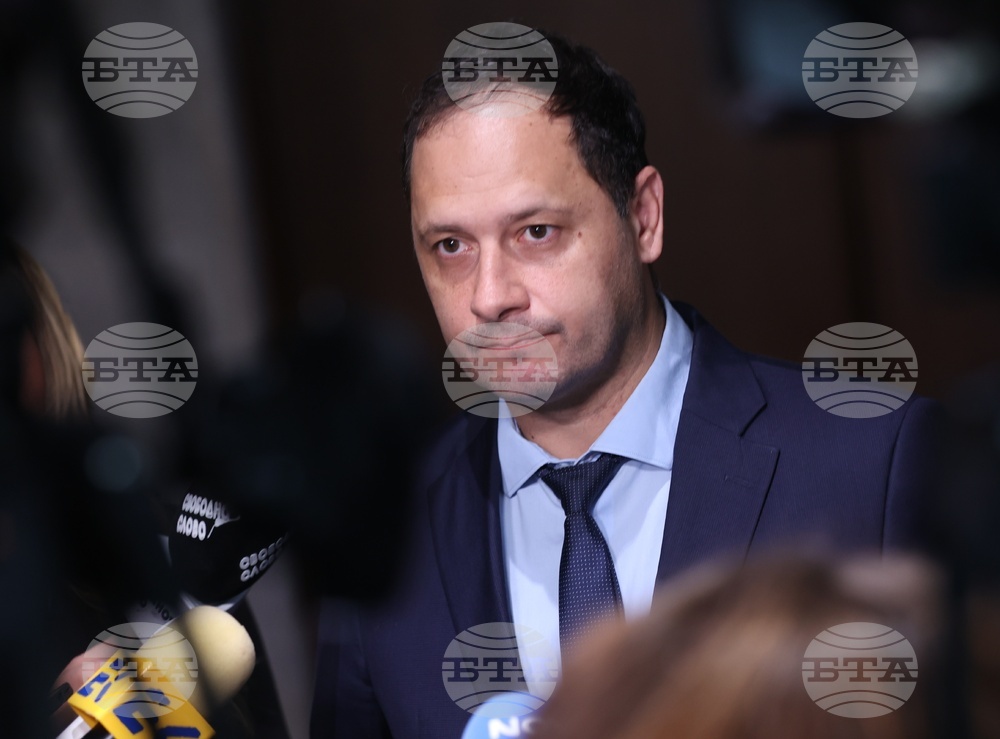
In Parliament, BTA reporters spoke to Progressive Bulgaria MP Konstantin Prodanov, chair of the Budget and Finance Committee, who reaffirmed the ministry’s position. He clarified that the contribution streams remain allocated to the second pillar and that the pensions scheme is independent from the NSSI’s funding mechanisms.
"There are no plans, nor have there ever been plans, to redirect part of the contribution to the second pension pillar to the National Social Security Institute," said Prodanov in Parliament.
The second pension pillar is a private, mandatory savings system that complements the basic state pension. It represents a critical mechanism for retirees to maintain adequate income, especially as Bulgaria’s demographics shift toward an ageing population.
Opposition parties have previously criticized the pension framework for not aligning sufficiently with long‑term sustainability goals. Some have argued that pivoting funds to the NSSI could provide a more stable safety net but would also reduce the growth potential of the private savings pool.
The debate touches on institutional credibility. The fact that the Finance Ministry promptly denied the rumors underscores its intent to preserve public trust in the state’s fiscal management, while the parliamentary confirmation from a key committee chair further bolsters the message of consistency across government bodies.
Legally, any change to the pension system would have to undergo parliamentary amendment procedures and would likely trigger scrutiny from the Constitutional Court if perceived to infringe on the rights of pension subscribers. The court’s role in safeguarding civil liberties adds an additional layer of public accountability to any potential reform.
For citizens, the denial signals that the current pension structure — where workers’ contributions are guaranteed to accrue to the second pillar rather than the public social security system — remains secured. This is especially significant for those approaching retirement age and those with retirement savings that they rely on for financial stability.
The government plans to present its official budget later this month. Whether the budget will address broader pension reforms remains uncertain, but the inclusion of the pension pillar in public finance discussions will undoubtedly keep it on the national discourse agenda.
As the country approaches its next election cycle, the issue of pension reform will stay at the forefront of campaign promises. Candidates will need to articulate their positions clearly, given the public stakes involved and the significance of arranging a sustainable pension future for future generations.