In brief
From 1946 to 2022, 18 of 20 midterms saw the president’s party lose House seats, a trend scholars call the “presidential penalty.” The largest swing occurred in 2010, when Democrats lost 64 seats and Republicans took over the chamber. Only Bill Clinton’s 1998 and George W. Bush’s 2002 midterms bucked the trend, with the president’s party gaining seats. Current polls suggest 2026 will likely continue the pattern, keeping the House in opposing hands with the White House. This institutional shift has real consequences for law‑making, public accountability and the electorate’s voice.
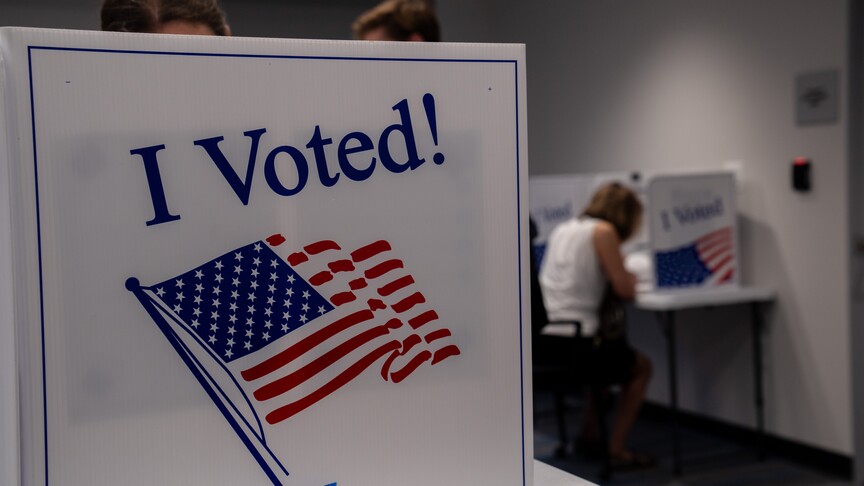
On November 2, American voters headed to the polls for the 2026 midterm elections, a contest that will decide all 435 seats of the House of Representatives and 35 of the Senate’s 100 seats. For leadership, the race is a test of the president’s party: how many House seats will it retain, or will the electorate hand control to the opposition? Since 1946, the answer has been predictable – only twice has the president’s party gained seats, while voters have stripped the incumbent party of the majority of its holdings.
Senate elections, though paired, are not the focus of this pattern. The House’s numbers carry far greater weight in determining the immediate political agenda, as the chamber sets committee oversight and advances or stalls legislation. The midterms are therefore a powerful check on the White House, a phenomenon scholars call the “presidential penalty” or “midterm penalty.”
The Presidential Penalty in Numbers
From the 1946 election, when Harry S. Truman’s Democratic Party lost 56 House seats, to the 2022 swing that saw the chamber flip from Republican to Democrat, 18 of the 20 midterms between 1946 and 2022 saw the president’s party lose seats. The average loss among those 18 elections was 26 seats.
When the trend is split along party lines, Democrats on the sidelines suffer more sizeable losses: on average their party gave up about 29 House seats in a midterm. In contrast, Republican incumbents have lost an average of roughly 23 seats. The two outliers that defied the pattern are Bill Clinton’s 1998 election, when Democrats gained House seats, and George W. Bush’s 2002 election, when Republicans did the same.
The Marching Figures for 2010, 2018, and 2022
The most dramatic swings arrived in the 2010, 2018, and 2022 elections. In 2010, two years after Barack Obama became the first African‑American president, Democrats surrendered 64 House seats – the largest loss since the post‑war era – allowing Republicans to seize control of the chamber. In 2018, under President Donald Trump, the Republican Party lost 49 seats, prompting a return of Democratic control. The most recent, 2022, reversed the trend again: Democrats were pushed out of the House, and Republicans elected to reclaim it.
These back‑to‑back flips illustrate how midterm elections continually reshuffle the balance of power in Congress. The shifting majorities alter which committees chairmanships belong to, which bills receive floor time, and how public oversight is exercised over federal departments and agencies.
Implications for Civic Institutions
The predictable pattern of losses for the president’s party has concrete consequences for U.S. democratic institutions. When the electorate removes the president’s party from the House, they effectively shift the focus of legislative scrutiny. The chamber that controls oversight, public hearings, and investigations is no longer aligned with the presidency, potentially leading to less accountability for the executive branch.
Conversely, the opposing party in the House holds the power to block or amend bills supported by the administration. Thus, a midterm loss for the president’s party can serve as a public check on executive policy, forcing compromises or delays that shape the national agenda for the next two years.
For voters, the midterm election is more than a symbolic protest. Competitive races in districts with no incumbent, where control can shift with a single swing of public opinion, become focal points for grassroots mobilization. The result is an increased pressure on candidates to address local concerns and a heightened sense of agency in national politics.
Looking Ahead to 2026
Current polling suggests the 2026 midterms will continue the established tradition. Analysts project that the president’s party will not be the third instance to gain House seats, and that, barring extraordinary circumstances, voters will likely extract a swing back from the incumbent party.
If midterm trends hold, the House will remain a place of contest, with Congress and the White House working from opposing control walls. For institutions such as the judiciary, the supranational body of the National Petitioner’s Committee, and the oversight agencies monitoring public money, the regular push and pull of party control maintains a dynamic that can either safeguard against overreach or stall necessary reforms.
In a system where the electoral cycle structures the balance between federal authority and citizen representation, the midterms come to symbolize the ultimate battlefield for democratic accountability. Over seven decades, the electorate has surfed a wave that consistently penalizes the president’s party, ensuring that the executive branch is frequently met with resistance in the House of Representatives. Whether the pattern will endure remains subject to the political climate of 2026, but the historical evidence so far paints a clear picture of the civic stakes that define each midterm election.