Japan Raises Visa Fees Five‑Fold in First Hike Since 1978
Japan has lifted visa fees for foreign visitors by five times, marking the first price increase since 1978. The change takes effect July 1 and raises the single‑entry fee from 3,000 ¥ (≈US$18.70; £14) to 15,000 ¥. Multi‑entry visas now cost 30,000 ¥ instead of 6,000 ¥.
Foreign Minister Toshimitsu Motegi explained that the hike was meant to reflect inflationary pressures, the persistent drop in the yen and to bring fees in line with other G‑7 economies. He added that the government does not expect an “immediate impact on inbound tourism.”
The yen has slipped steadily since 2021 and is now near historic 40‑year lows, making overseas expenditures more costly for visitors. In the same month, Japan’s Upper House approved a bill that also raised other fees for foreigners, including the cap for permanent‑residency applications to 300,000 ¥ from 10,000 ¥ and residency‑status changes to 100,000 ¥ from 10,000 ¥.
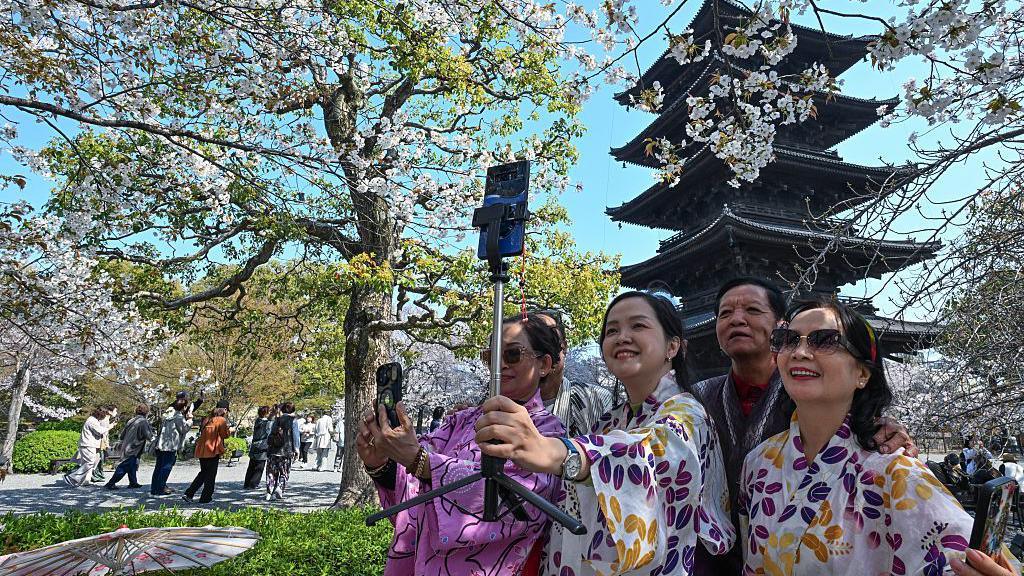
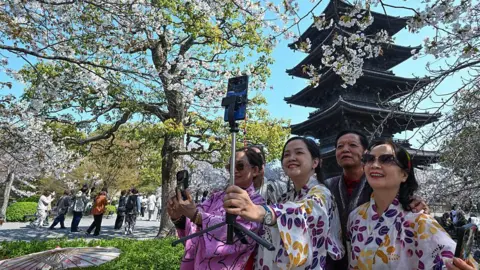
The country is coping with a sharp rebound in tourism after the pandemic. Japan welcomed a record 42.7 million international tourists in 2025, the figures released by the Ministry of Land, Infrastructure, Transport and Tourism.
In the United States, non‑immigrant visa fees run between $185 and $315, while in the United Kingdom a standard short‑term visa for up to six months costs £135. Japan’s new fees therefore bring it closer to the global benchmark, though they still remain one of the lowest among major economies. Until now, Japan had maintained one of the lowest visa costs in the world, a factor that helped attract travelers seeking value after the pandemic lock‑downs.
Travel industry associations have expressed mixed feelings. Some argue that the hike could deter budget tourists, while others highlight that Japan’s culture, food and natural scenery are strong enough to absorb the cost increase. Analysts predict that while the first month may see minor fluctuations, the long‑term effects could see a modest bend in the inbound tourism curve.