NEW YORK (AP) — On a recent weeknight, three tenants of an aging Bronx building were trading apartment horror stories inside a packed ballroom lined with city bureaucrats.
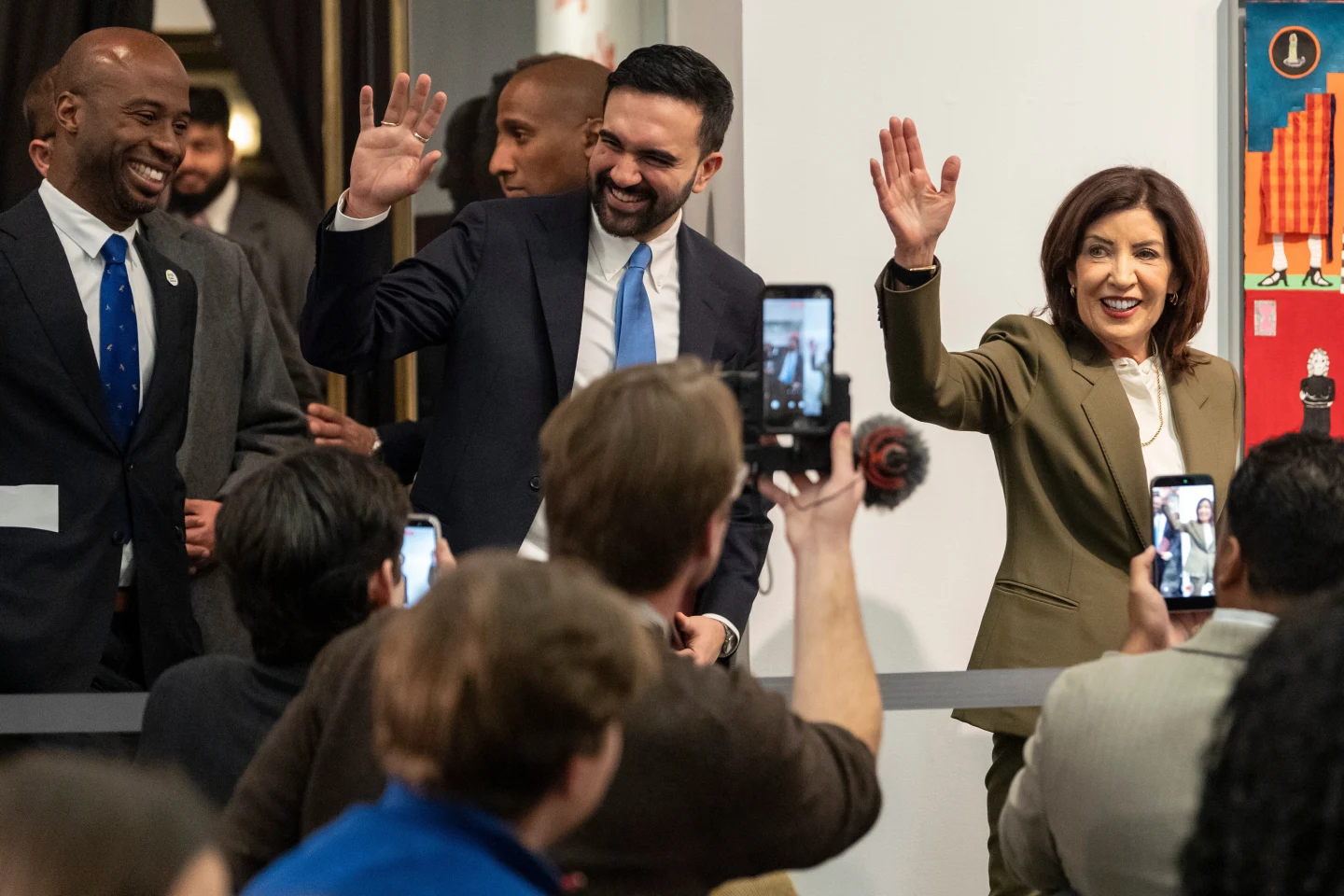
The occasion was the third in a series of 'rental rip-off hearings,' a new forum launched by New York Mayor Zohran Mamdani for disgruntled renters to air their complaints directly to housing officials — and in some cases, the mayor himself.
As she waited in line, Gulhayo Yuldosheva said she worried that noxious mold in her apartment had worsened her child’s asthma. Nearby, her downstairs neighbor, Marina Quiroz, was showing a video of rats scurrying through her kitchen to a representative of the city’s tenant protection office.
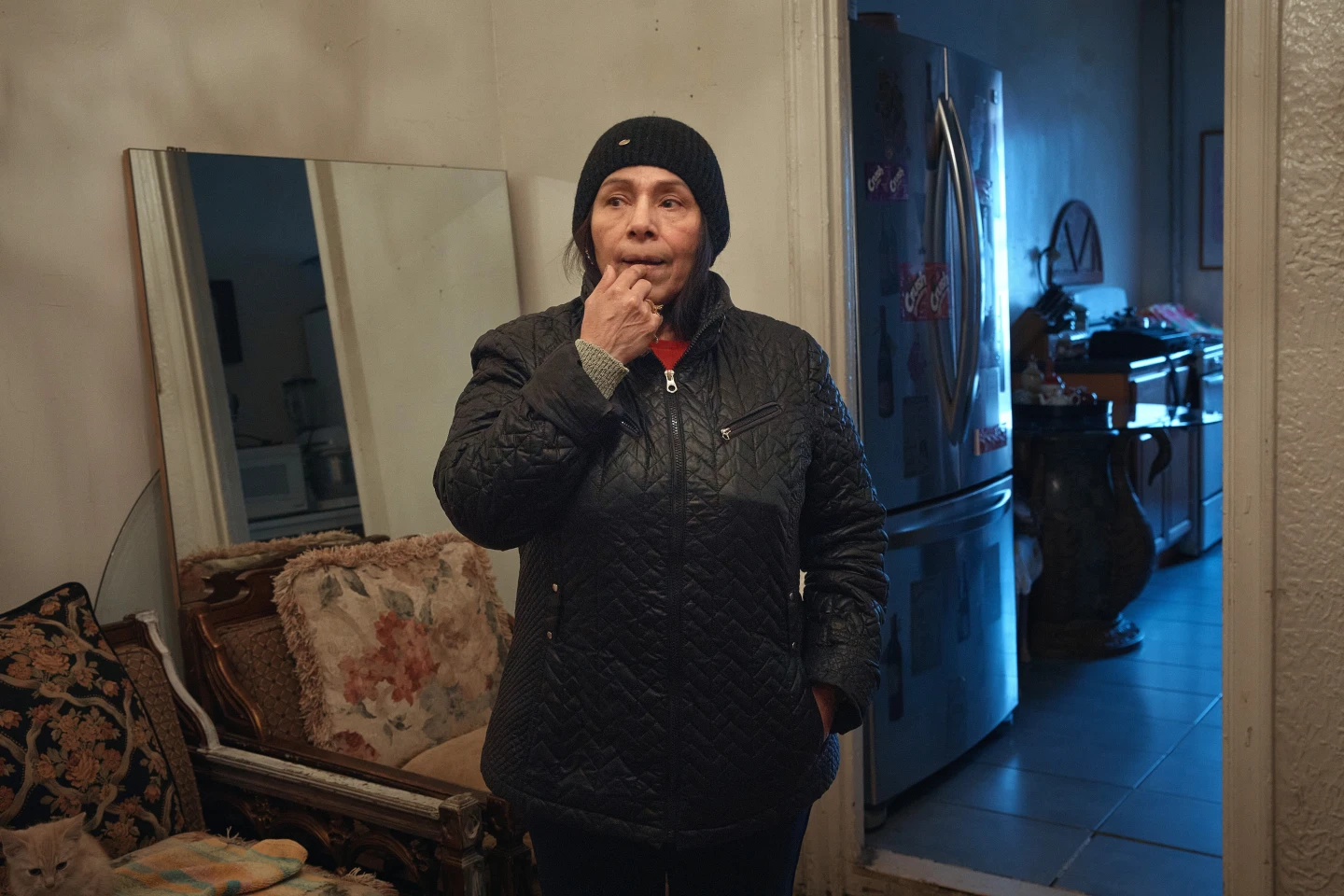
Ann Maitin, a longtime resident of the same building, had just met with the mayor.
“He let me go over my three minutes,” she said, holding up a spiral notebook’s worth of grievances.
Mamdani, a democratic socialist swept into office on a promise of zealous tenant advocacy, framed the event as a struggle session for renters, assuring the standing room only crowd that their stories would guide the city’s efforts 'to actually hold landlords accountable when they don’t follow the law.'
To the residents of 705 Gerard Avenue, this raised a practical problem: No one seemed to know who actually owned their building.
“It feels like such a basic question,” said Maitin, a retired Verizon technician who recently organized the building’s tenant association. “You’d think we’d have the right to that information.”
Their situation is hardly unique. As corporate owners and investor groups have grown their share of the rental market in New York City, they are increasingly shielding their identities behind limited liability companies, or LLCs.
“There are these big slumlords that everyone knows are doing predatory investment, but pinning them down is going to be difficult, for the LLC reason,” said Oksana Mironova, a housing policy analyst at the Community Service Society. “That’s a problem for the administration, and it’s even worse for tenants.”
For Yuldosheva and her neighbors, finding their landlord is one of many problems afflicting their six-story building near Yankee Stadium.
Heat and hot water outages are regular enough that some tenants keep a thermometer on their fridge and the city’s complaint hotline on speed dial. Getting help with an urgent maintenance issue “feels like waiting for Christmas in July,” said Maitin.
During a monthslong elevator outage, a tenant who uses a wheelchair, Tommy Rodriguez, said he was forced to “slide down the steps, like a kid.” Calls to the building management about a repair timeline went unanswered.
Recently, tenants received a clue about their landlord, following the partial collapse of another Bronx building. The man identified in news stories as the owner of that building, David Kleiner, shared a Brooklyn office with their building manager, Binyomin Herzl.
Reached by phone, Herzl said he didn’t own any of those properties, but simply acted as a middleman between tenants and the true owners, whom he declined to list. “There’s no one landlord,” he said. “It’s a group of investors.”
In the last three years, inspectors have ordered emergency repairs at 38 buildings that list either Herzl or Kleiner as an owner, according to records provided by the city’s housing department. The men have been billed $446,521 for those repairs.
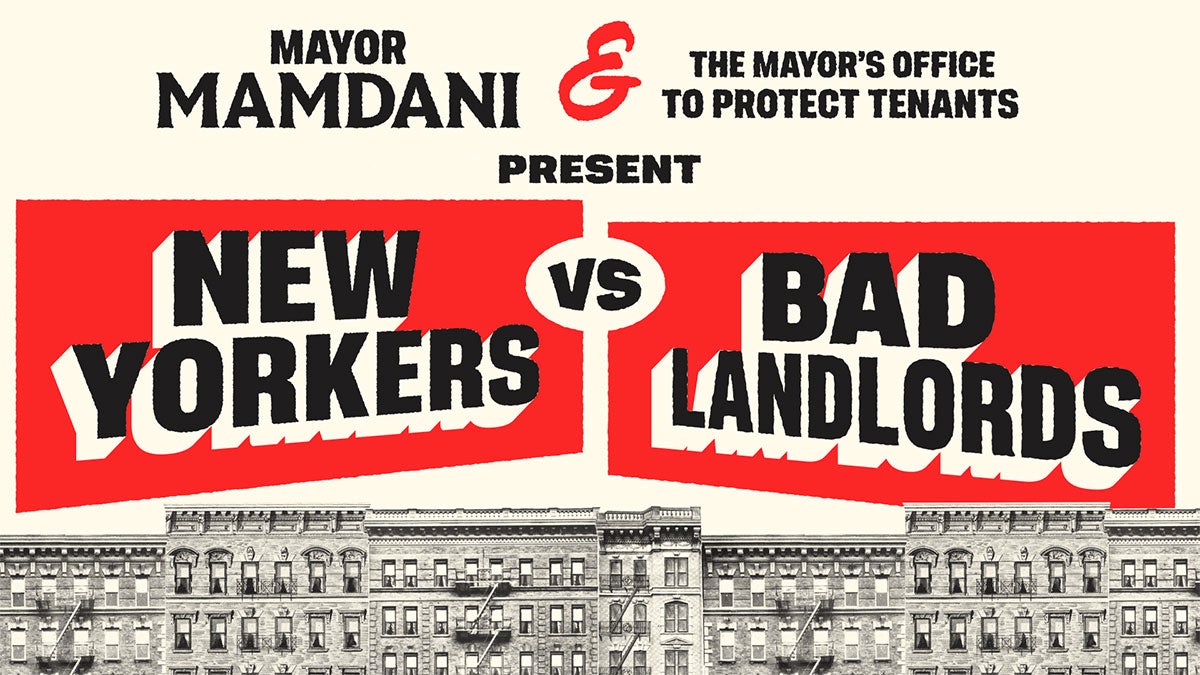
Despite the combative branding — “New Yorkers vs. Bad Landlords,” blares one promotion — the Bronx event mostly resembled a standard constituent service night.
Maitin left feeling “glad to be heard by someone who can actually do something about the problem,” but felt it was too early to tell “if it’s all talk.”
The next morning, she was surprised to find the building’s superintendent applying a fresh coat of paint to a staircase. Outside, workers were removing scaffolding that had been in front of the building for years.
“I think they caught wind of the rental rip-off,” Maitin said. “They’re scared.”