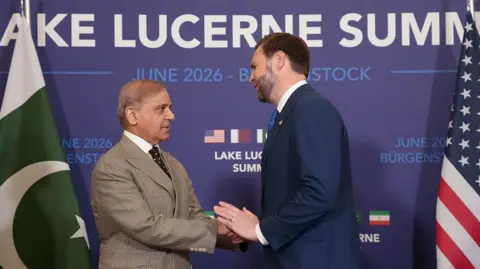
The venue is ready, the guards are in place and the curb along the approach road has received a fresh coat of yellow and black paint. Islamabad awaits.
As hosts of vital US-Iranian talks, Pakistani officials express optimism, emphasizing their trustworthiness to both sides.
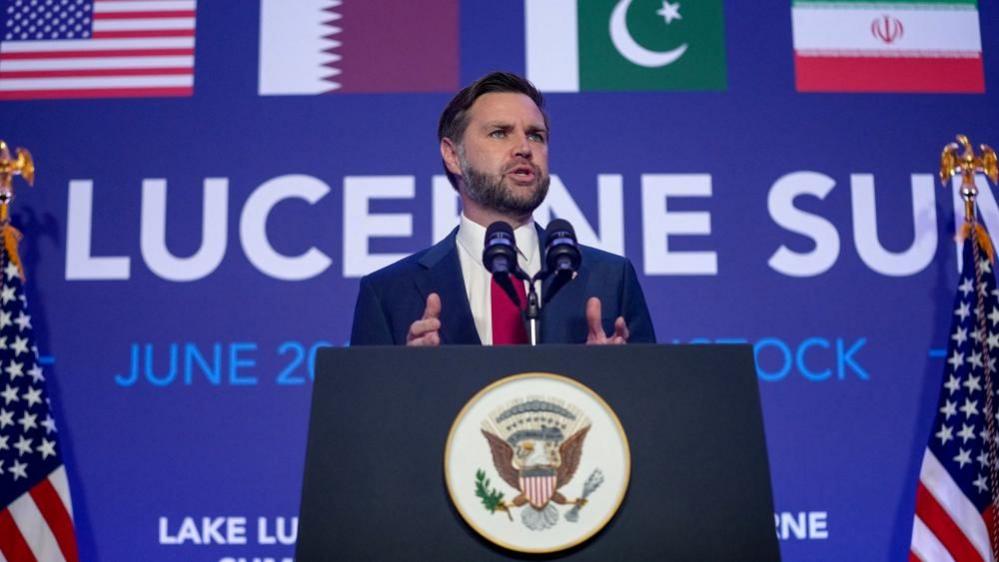
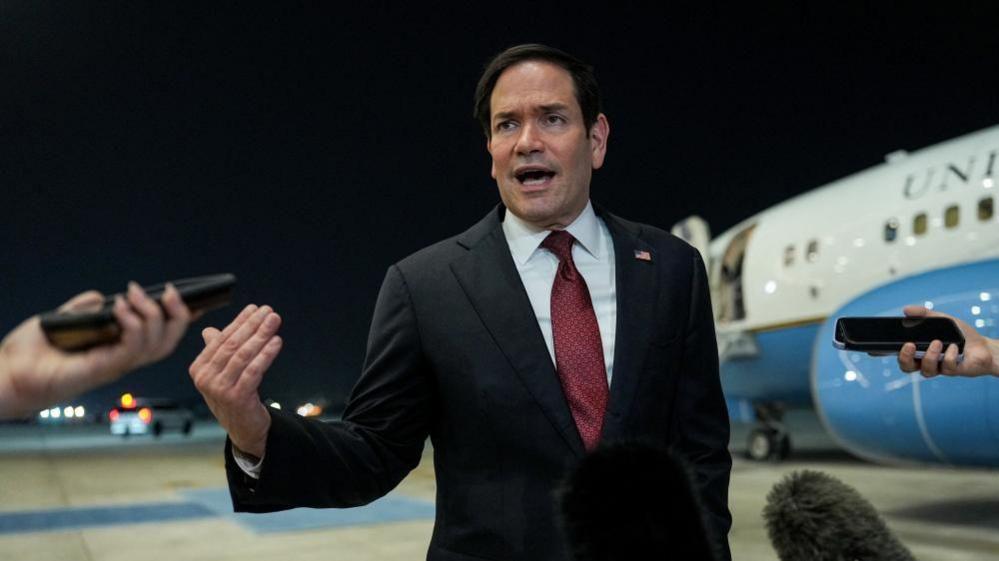
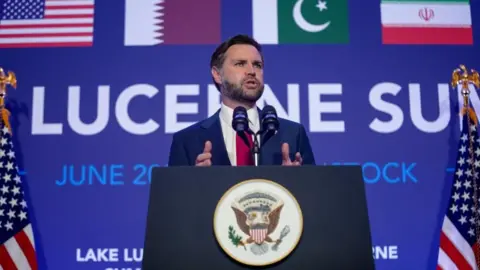
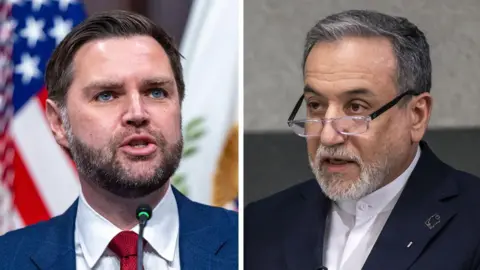
The man leading the US delegation, Vice President JD Vance, projects confidence: If the Iranians are willing to negotiate in good faith, we're certainly willing to extend the open hand, he stated recently.
However, he warned of a firm stance if confronted with insincerity: If they're going to try to play us, then they're going to find the negotiating team is not that receptive.
Key challenges loom ahead:
Lebanon’s tensions
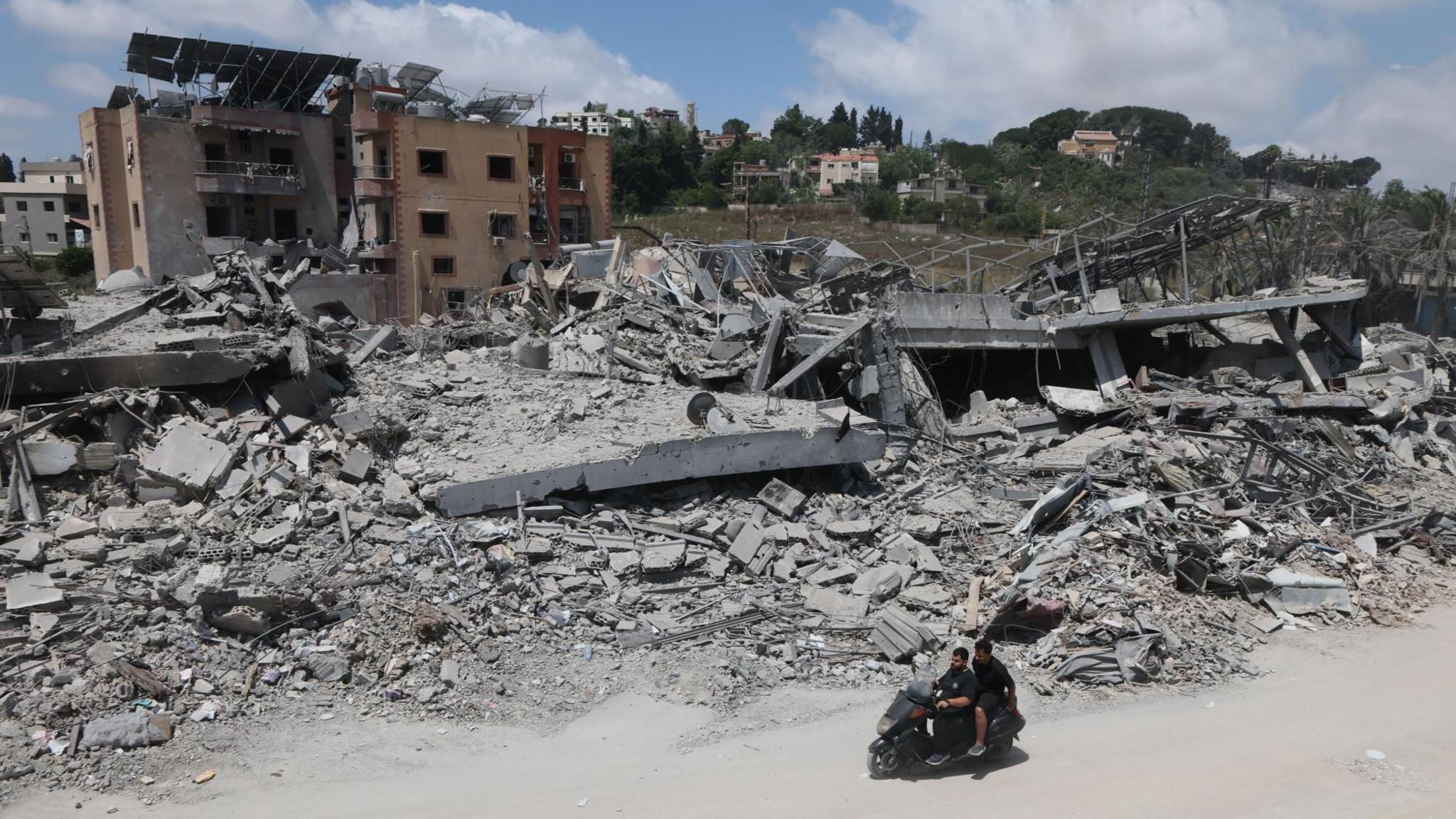
Israel’s ongoing campaign against Iran's ally, Hezbollah, poses a significant threat to the talks. President Masoud Pezeshkian of Iran warned that Israeli actions would render negotiations meaningless, asserting, Our fingers remain on the trigger. Iran will never abandon its Lebanese sisters and brothers. Meanwhile, Israel's Prime Minister Benjamin Netanyahu reinforces that there is "no ceasefire" regarding Hezbollah, casting a shadow over the discussions.
The Strait of Hormuz
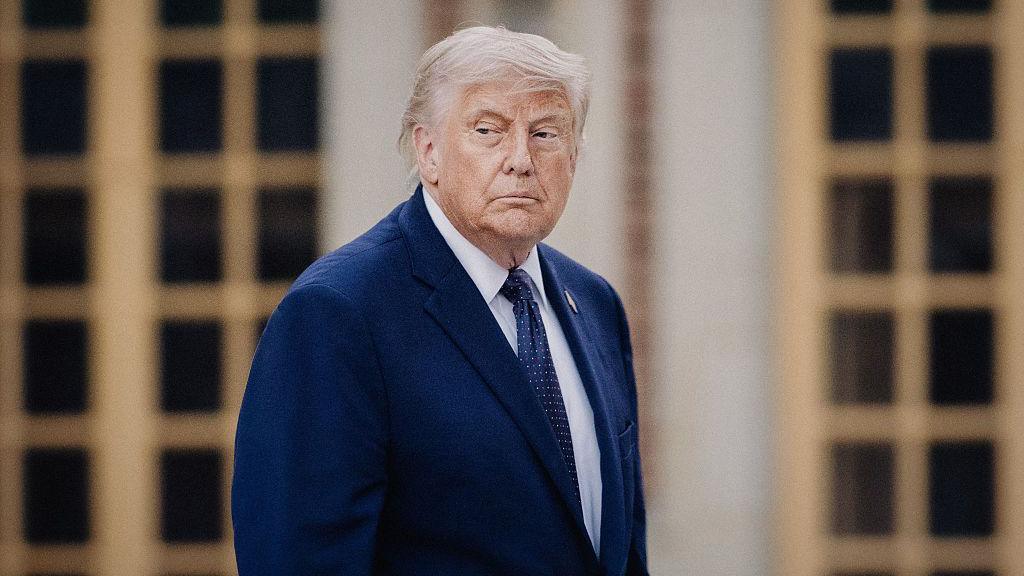
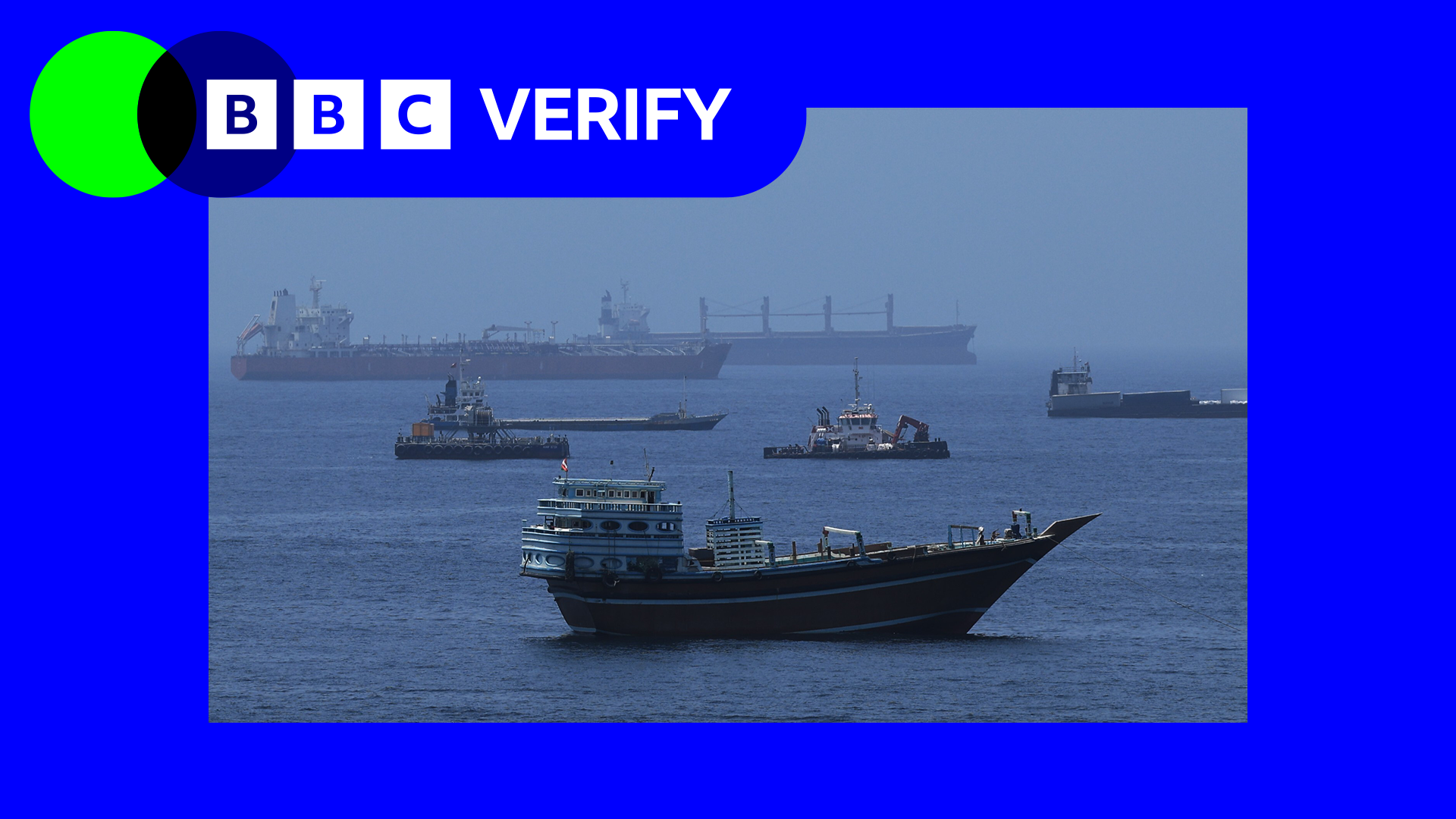
The vital shipping route through the Strait of Hormuz is also a point of contention. Former President Donald Trump criticized Iran for managing ship passage poorly, asserting that there should be no fees imposed on vessels passing through. He warned that a significant number of ships remain stranded within the Gulf due to heightened tensions and Iranian regulations.
Nuclear negotiations
The nuclear issue remains the most complex and longest-standing point of discord. Iran insists on its right to enrich uranium under the Nuclear Non-Proliferation Treaty, while the US demands total cessation of enrichment on Iranian soil to prevent nuclear armament.
Regional allies
Iran's support for regional groups like Hezbollah and the Houthis complicates the talks. Many Iranians are urging their government to focus on domestic issues, yet there is little sign of a shift away from support of allies in the region.
Sanction relief
The Islamic Republic is demanding the lifting of international sanctions as part of the negotiations, including the release of $120 billion in frozen assets. U.S. officials, however, are unlikely to make substantial concessions ahead of discussions.
As the two sides prepare for their talks, the path to a meaningful agreement appears fraught with disagreement and mistrust.
}