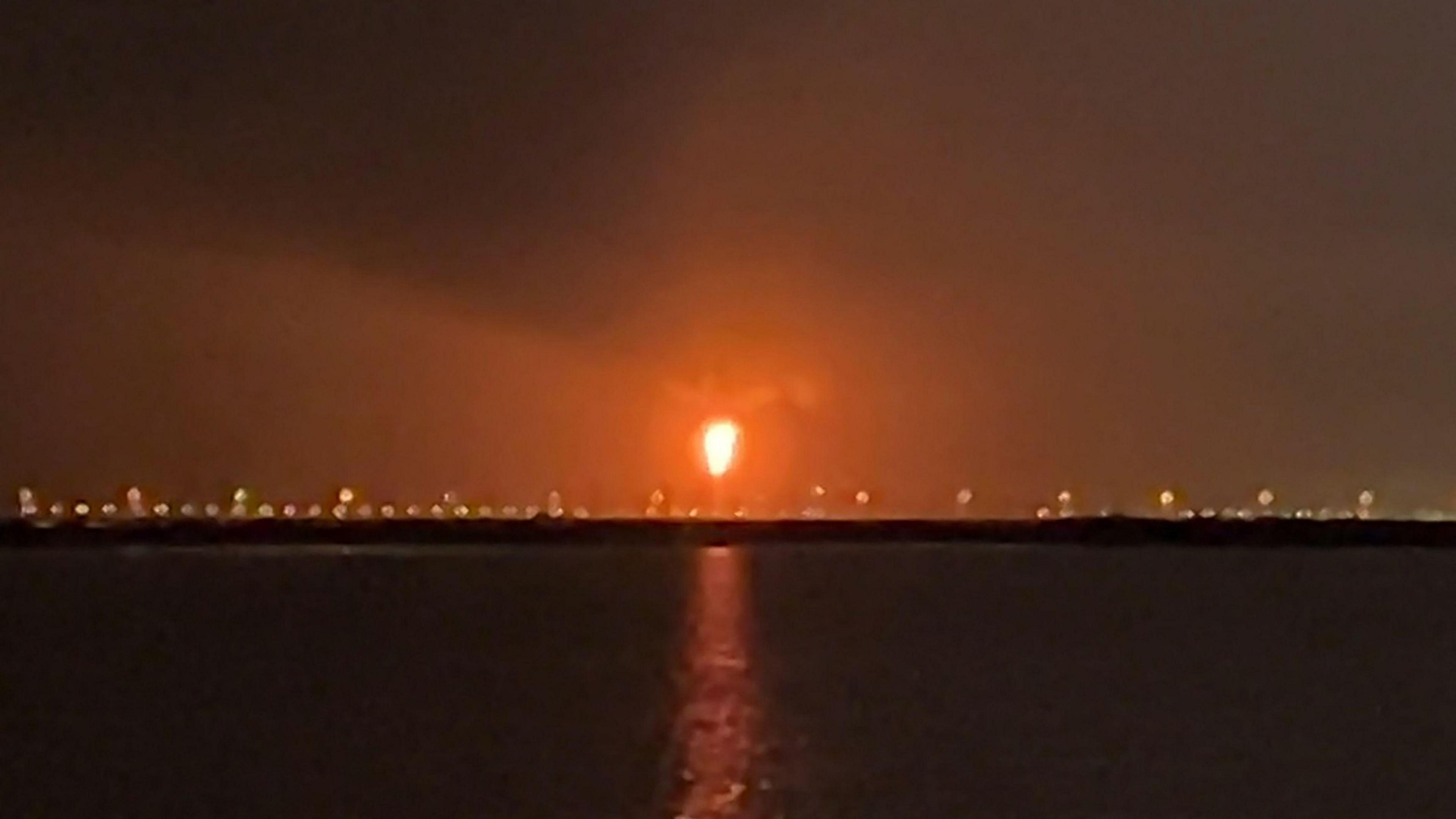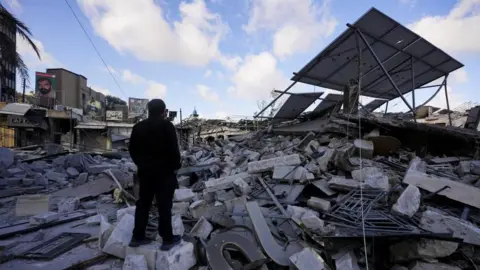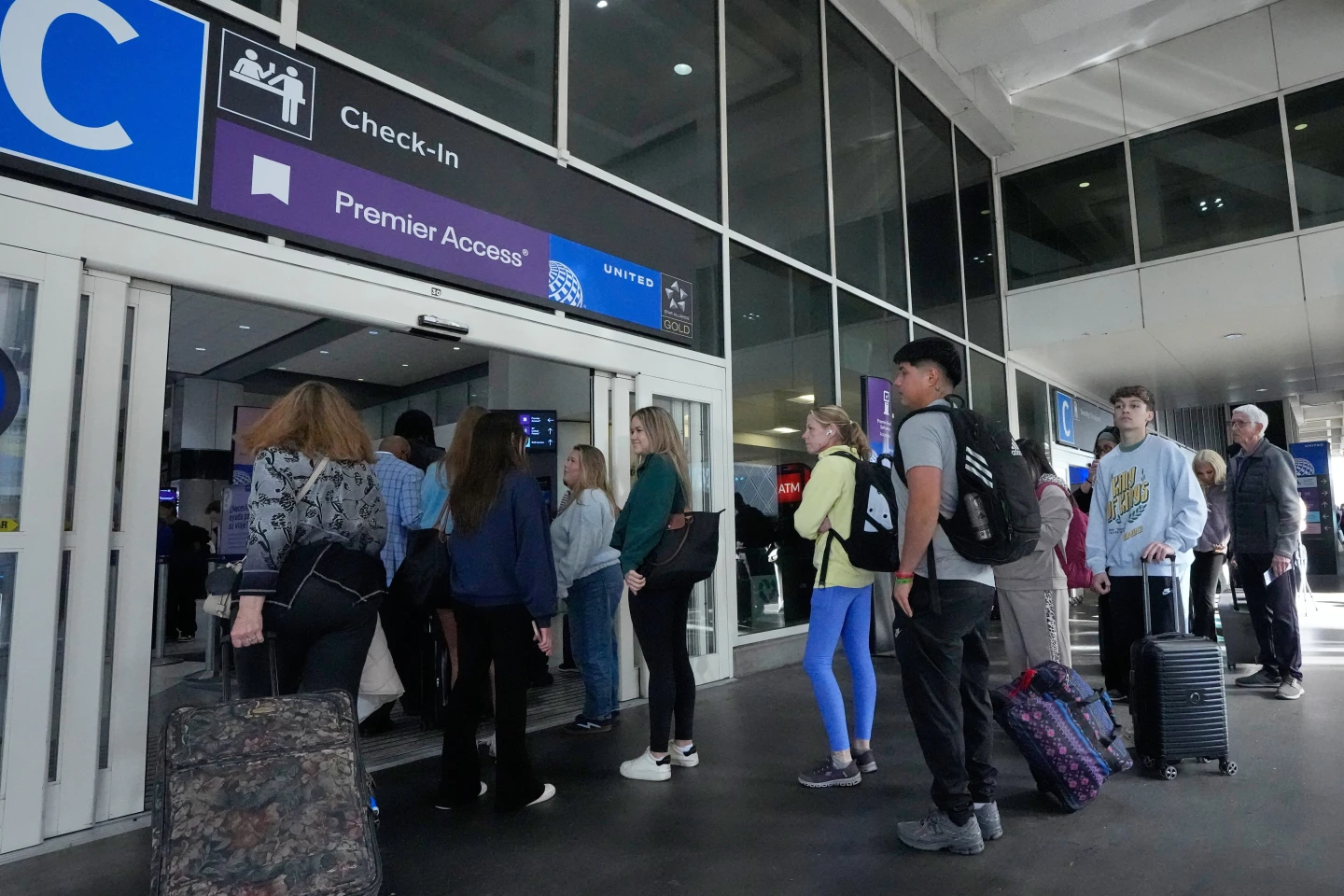
Airlines are facing increasing pressure amidst the rising costs of jet fuel due to the ongoing conflict in the Middle East, leading to a surge in flight cancellations worldwide. As airlines prioritize fuel efficiency, many have started to cancel flights well in advance.
Eric Napoli, chief legal officer at AirHelp, highlighted the compounded challenge travelers face with upcoming major events, like the World Cup, which are anticipated to further strain airport capacities. He emphasized the necessity for travelers to understand their rights during this tumultuous period.
Understanding Cancellations: What to Know
If your flight has been canceled, immediate steps include checking your airline’s app or website for rebooking options. For U.S.-based airlines, this is typically the quickest solution. However, travelers using foreign carriers may need to interact with customer service teams directly, as digital options may lag.
Reimbursement Rights
Generally, refunds or rebooking are standard practices following cancellations, with variations depending on regional laws. For instance, U.S. regulations mandate full refunds for canceled flights.
Protecting Passenger Rights
Different regions enforce different passenger rights, from the robust EU regulations providing compensation to the more limited protections in the U.S. Travelers should familiarize themselves with the specific rights applicable to their departure country.
Preparation Tips
Flight tracking tools and direct bookings with airlines can help mitigate the impact of cancellations. Always keep thorough documentation of your flight details and communication with airlines for potential claims related to cancellations.
In conclusion, while the situation remains fluid, understanding your rights and taking proactive measures can help mitigate the stress associated with increased travel disruptions.