Warning: this article contains details which some readers may find distressing.
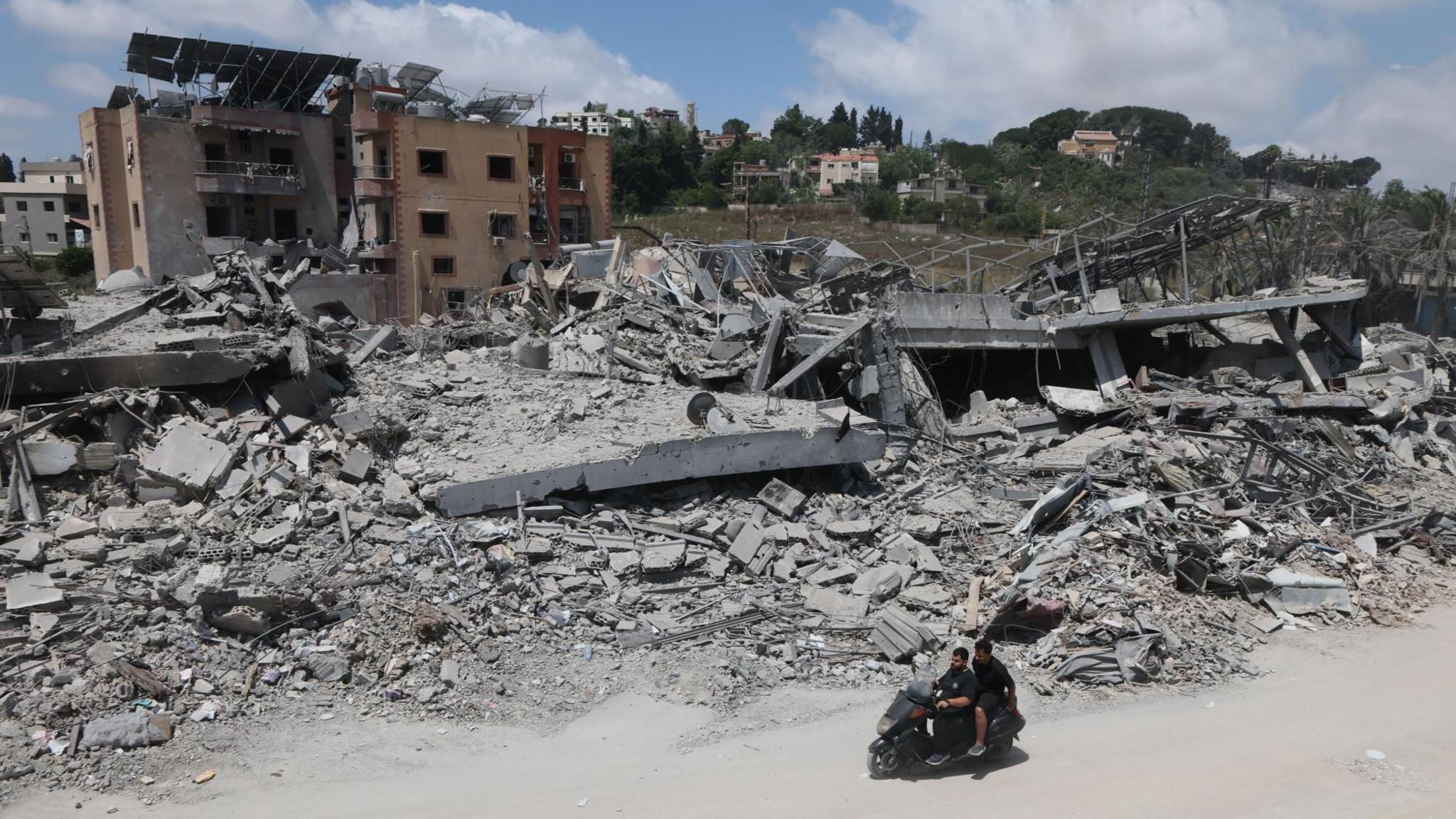
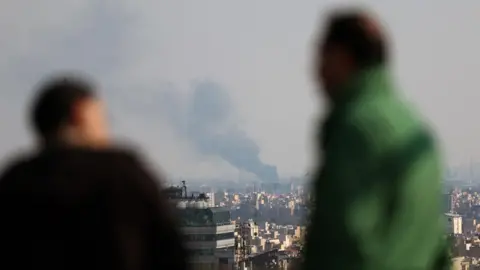
Until that moment, the war felt distant for many Tehran residents, including a young woman named Setareh. I think it's a bomb, she recalled as she and her colleagues heard unsettling noises and felt vibrations from an airstrike. Chaos erupted in the office as smoke billowed into the sky, sparking panic among workers. The impacts were immediate: Setareh's workplace shuttered that same day, leaving her and her colleagues without jobs.
Now, as she struggles with sleepless nights, she admits, I haven't slept for several nights... The anxiety is so intense that it has affected my body. Setareh's fears are exacerbated by escalating economic hardships; a struggling system compounded by ongoing sanctions has left many facing dire circumstances. She characterized the situation: We cannot afford even basic food. What’s in our pockets does not match market prices.
This sentiment resonates across Iran, where millions are grappling with economic despair. Despite the risk of severe repercussions, citizens are feeling the strain of unemployment and scarcity, fuelling fears of renewed protests against the regime.
In hospitals, the impact of war is equally grave. A nurse named Tina worried about medication shortages and the potential targeting of health facilities. She recounted the horrors seen during the bombings: bodies disfigured and lives lost, highlighting a pregnant woman and her unborn child who perished due to the violence.
As the war continues, the voices of Iranians reveal a society grappling with fear, trauma, and the hope for drastic change. The conflict stirs memories of past struggles while pushing people to the brink of despair—paving the way for potential future unrest if conditions do not improve.
}