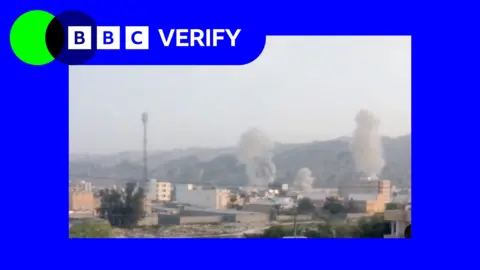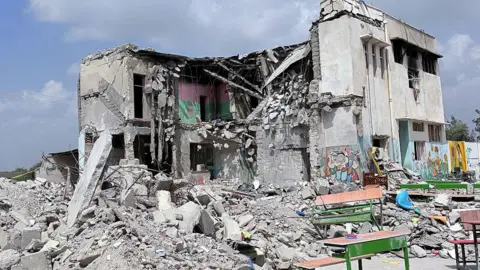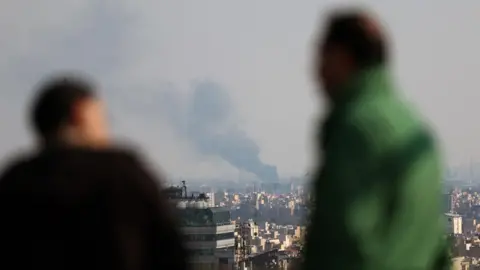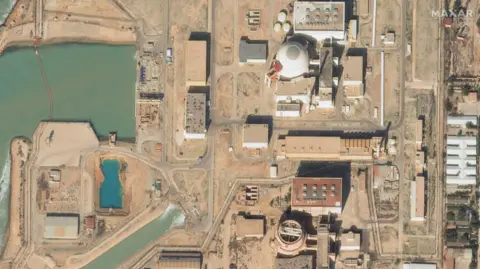
The area around Iran's Bushehr nuclear power plant has been attacked for the fourth time during the current war, Iranian officials say, as the US and Israel continue to target energy and other industrial sites.
One of the plant's employees was killed in the attack, Iran's Atomic Energy Organisation said. It blamed the US and Israel for the attack, but neither country has confirmed carrying it out.
Bushehr is Iran's only operational nuclear power plant and was completed with Russia's help.
The International Atomic Energy Agency - the UN's nuclear watchdog - said it had been informed of the strike and had expressed deep concern.
No increase in radiation levels was reported, it wrote on X.
It said nuclear power plant sites and nearby areas must never be attacked and called for maximum military restraint to avoid a nuclear accident.
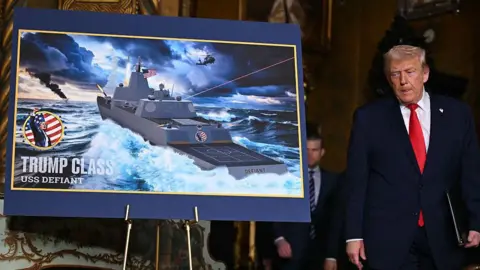
On 27 March US President Donald Trump announced he was pausing attacks on energy plants for 10 days for Iran to make a deal, and on Saturday he reiterated his threat on Truth Social that all Hell will reign down on them if they failed to do this, or to reopen the Strait of Hormuz, within 48 hours.
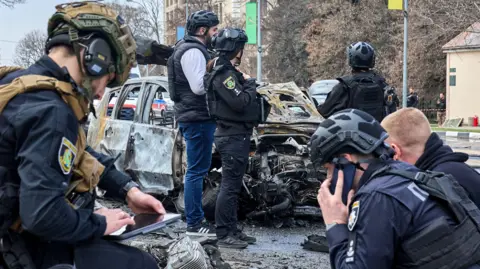
Meanwhile, Iran has continued to fire missiles at the Gulf States, Iraq and Israel, with falling debris from intercepted missiles causing damage.
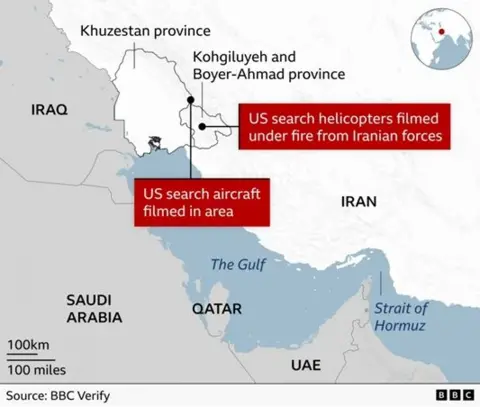
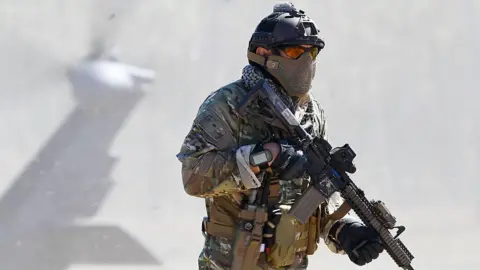
And both Iranian and US forces are continuing to search for a missing American crew member after an F-15 fighter jet was shot down on Friday.
A pilot who was on board has been rescued, according to US media.
The Iranian statement on the Bushehr attack said the main parts of the plant did not appear to be damaged and its operation was not affected.
Moscow has evacuated many of its staff from the plant. The head of Russia's state nuclear corporation, Rosatom, Alexei Likhachev, said on Saturday that the evacuation of 198 people remaining in the plant had started that morning.
Iran's nuclear programme has long been a point of contention, leading to extensive international sanctions. The US-Israeli war with Iran began on 28 February, two days after a third round of indirect US-Iran nuclear talks in Geneva.
Iran's Foreign Minister Abbas Araghchi warned against precipitating a major accident, which would end life in Gulf Arab states allied to the US.
He wrote on social media: Remember the Western outrage about hostilities near Zaporizhzhia Nuclear Power Plant in Ukraine? Israel-U.S. have bombed our Bushehr plant four times now.\
One of the plant's employees was killed in the attack, Iran's Atomic Energy Organisation said. It blamed the US and Israel for the attack, but neither country has confirmed carrying it out.
Bushehr is Iran's only operational nuclear power plant and was completed with Russia's help.
The International Atomic Energy Agency - the UN's nuclear watchdog - said it had been informed of the strike and had expressed deep concern.
No increase in radiation levels was reported, it wrote on X.
It said nuclear power plant sites and nearby areas must never be attacked and called for maximum military restraint to avoid a nuclear accident.
On 27 March US President Donald Trump announced he was pausing attacks on energy plants for 10 days for Iran to make a deal, and on Saturday he reiterated his threat on Truth Social that all Hell will reign down on them if they failed to do this, or to reopen the Strait of Hormuz, within 48 hours.
Meanwhile, Iran has continued to fire missiles at the Gulf States, Iraq and Israel, with falling debris from intercepted missiles causing damage.
And both Iranian and US forces are continuing to search for a missing American crew member after an F-15 fighter jet was shot down on Friday.
A pilot who was on board has been rescued, according to US media.
The Iranian statement on the Bushehr attack said the main parts of the plant did not appear to be damaged and its operation was not affected.
Moscow has evacuated many of its staff from the plant. The head of Russia's state nuclear corporation, Rosatom, Alexei Likhachev, said on Saturday that the evacuation of 198 people remaining in the plant had started that morning.
Iran's nuclear programme has long been a point of contention, leading to extensive international sanctions. The US-Israeli war with Iran began on 28 February, two days after a third round of indirect US-Iran nuclear talks in Geneva.
Iran's Foreign Minister Abbas Araghchi warned against precipitating a major accident, which would end life in Gulf Arab states allied to the US.
He wrote on social media: Remember the Western outrage about hostilities near Zaporizhzhia Nuclear Power Plant in Ukraine? Israel-U.S. have bombed our Bushehr plant four times now.\