In brief
This article delves into the exceptional training and operations of the US Air Force Pararescue teams, who are tasked with complex and high-pressure search and rescue missions in combat zones. As evidenced by recent developments involving the rescue of a downed fighter pilot in Iran, CSAR missions require rapid and coordinated tactical responses, showcasing the dedication and skills of these elite units.
Early reports indicate that the pilot of a US F-15 fighter aircraft downed over Iran was rescued - which, if confirmed, would be the latest in the long history of US combat search-and-rescue missions over decades.According to CBS, the BBC's US partner, the search operation is ongoing deep inside Iran for a second crew member.Combat search and rescue, or CSAR, missions are considered among the most complex, time-sensitive operations that US and allied militaries prepare for.In the US, elite units of the Air Force are specially trained for CSAR missions and are often pre-emptively deployed near conflict areas where aircraft could be lost.
What is Combat Search and Rescue?
Put simply, CSAR missions are military operations aimed at finding, aiding and potentially rescuing personnel in need, including downed pilots and isolated troops.In contrast to conventional search-and-rescue efforts - which could take place during humanitarian operations or after disasters - CSAR missions occur in hostile or contested environments.In some cases - as in recent efforts in Iran - the operations may happen deep in enemy territory.The missions are extremely time-sensitive, as enemy forces would likely be deployed to try and locate the same US personnel the CSAR teams are trying to rescue.In modern times, CSAR missions are often conducted by helicopters, with refueling aircraft in support and other military aircraft on hand to conduct strikes and patrol the area.Notably, verified video that emerged from Iran appeared to show US military helicopters and at least one refueling aircraft operating over Iran's Khuzestan province.The history of CSAR missions
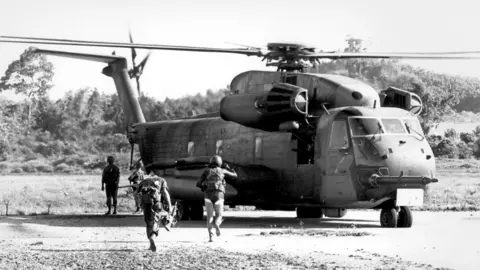
Wartime rescue missions date back to the First World War, and the US military's Pararescue units trace their lineage back to 1943 in Burma.The US's first helicopter rescue occurred a year later.Formal CSAR units were established post-conflict, but modern CSAR began during the Vietnam War, where significant missions such as Bat 21 refined military tactics.The US Air Force's Pararescue teams
While each US military branch has limited CSAR capabilities, the Air Force specializes in finding and rescuing military personnel, led by Pararescuemen.Their motto, 'These Things We Do, That Others May Live', reflects their commitment to never leave a servicemember behind.The selection-and-training process for Pararescuemen is rigorous, often with an 80% washout rate.On the operational front, Combat Rescue Officers manage and execute the missions.Recent US rescue missions
Pararescue teams have a rich history in Iraq and Afghanistan, too, with notable rescues, including a US Navy Seal during a 2005 ambush in Afghanistan.While such incidents are rare these days, significant past recoveries include the F-117 pilot shot down over Serbia in 1999 and Scott O'Grady in Bosnia in 1995.