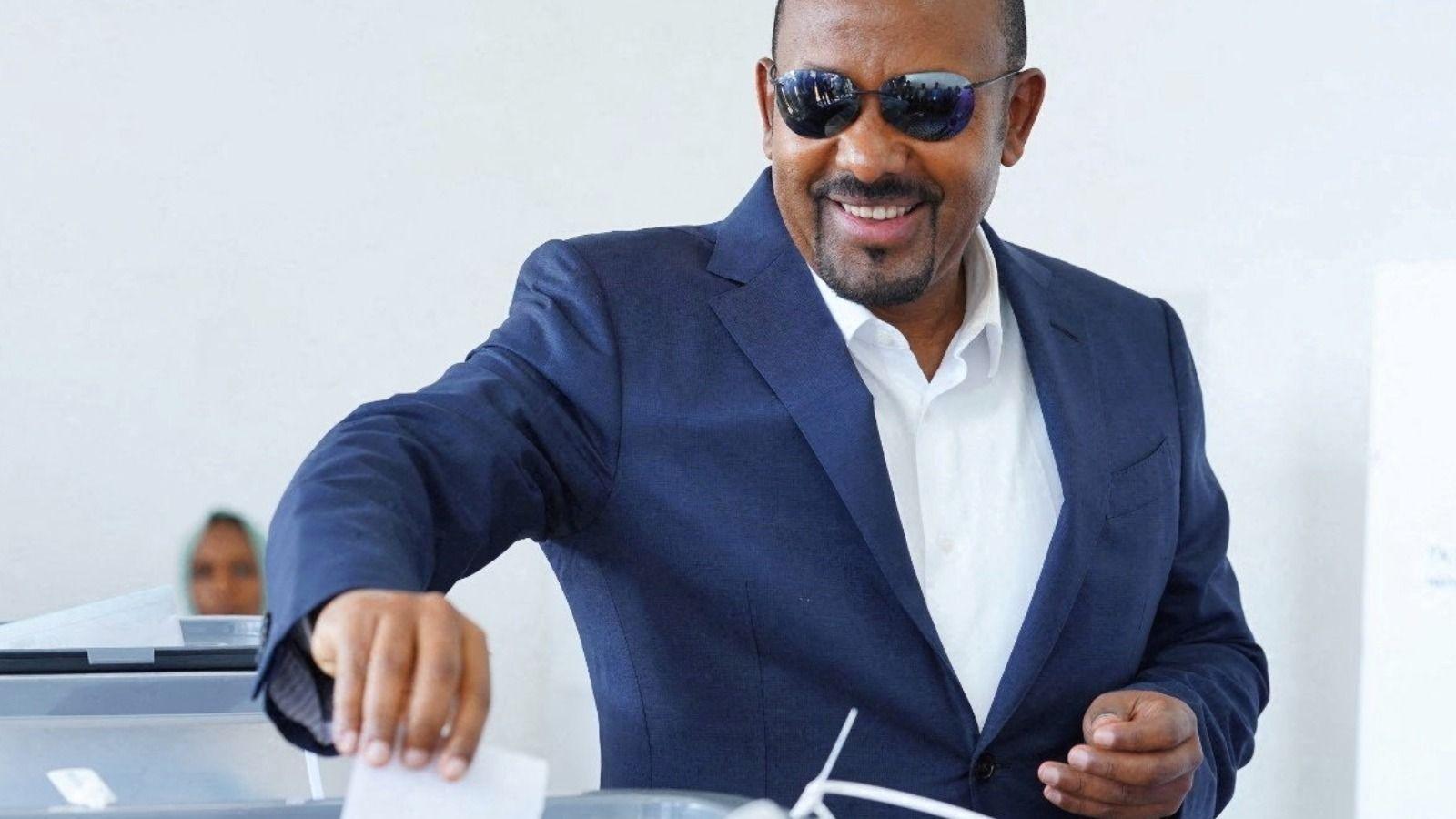
Ethiopia’s citizens have opened voting cards across the nation, a milestone that should mark progress toward a more representative democracy. Yet the curtains of war on the northern frontier and the absence of votes in Tigray have turned the election into a divided affair.
The eastern‑African country’s northern Tigray zone, still grappling with the aftermath of a brutal civil war that ended in 2022, has been excluded from polling by the government. The Electoral Commission’s latest bulletin confirmed that all 38 constituencies in the region will not host official voting.
The absence of Tigray’s votes, coupled with ongoing insurgencies in the Amhara and Oromia regions – home to the Fano militia and the Oromo Liberation Army – threatens electoral legitimacy. The Ethiopian government claims 97 % readiness for voting in those areas, but opposition forces say that the lack of safe, enabling conditions halts campaigning and voting.
Prime Minister Abiy Ahmed, who emerged from prison camps in 2018 to dissolve the long‑ruling coalition and launch an ethnic‑centralized Prosperity Party, controls the reins. While the party won a wide margin in the 2021 elections, analysts say the 2026 contest may be the “least competitive” election yet faced internal suppression and mass demolitions of low‑income homes in Addis Ababa.
The election’s stakes are clear: whoever wins at least 274 of 547 seats will head the government for five years. However, the Premier's supporters highlight environmental and infrastructural reforms while critics note a drift away from press freedom and an uptick in oppression of journalists.
Despite this climate, over 50.5 million voters are registered — a sizable demographic shift that brings fresh youth and first‑time voters to the ballot box. While a large share hopes the election can usher stability, the looming possibility of a renewed war or nationwide unrest remains.
In the fullness of time, the process will be scrutinised by both domestic observers and international partners. A clear path to removing political barriers, guaranteeing media access, and ensuring safety for all voters may help Ethiopia move toward an inclusive democracy, but that outcome will largely depend on the government's willingness to negotiate with tensions from the Tigray front and the armed factions that loom in Amhara and Oromia.