In brief
In Minneapolis, federal immigration agents have escalated tensions at protests by using aggressive crowd-control methods, such as deploying tear gas and pointing firearms. Experts warn that these actions, often taken by agents lacking specialized crowd management training, increase risks and counteract established de-escalation protocols. The surge in federal presence follows the fatal shooting of a civilian by an immigration agent, intensifying public scrutiny and leading to legal challenges against these tactics.
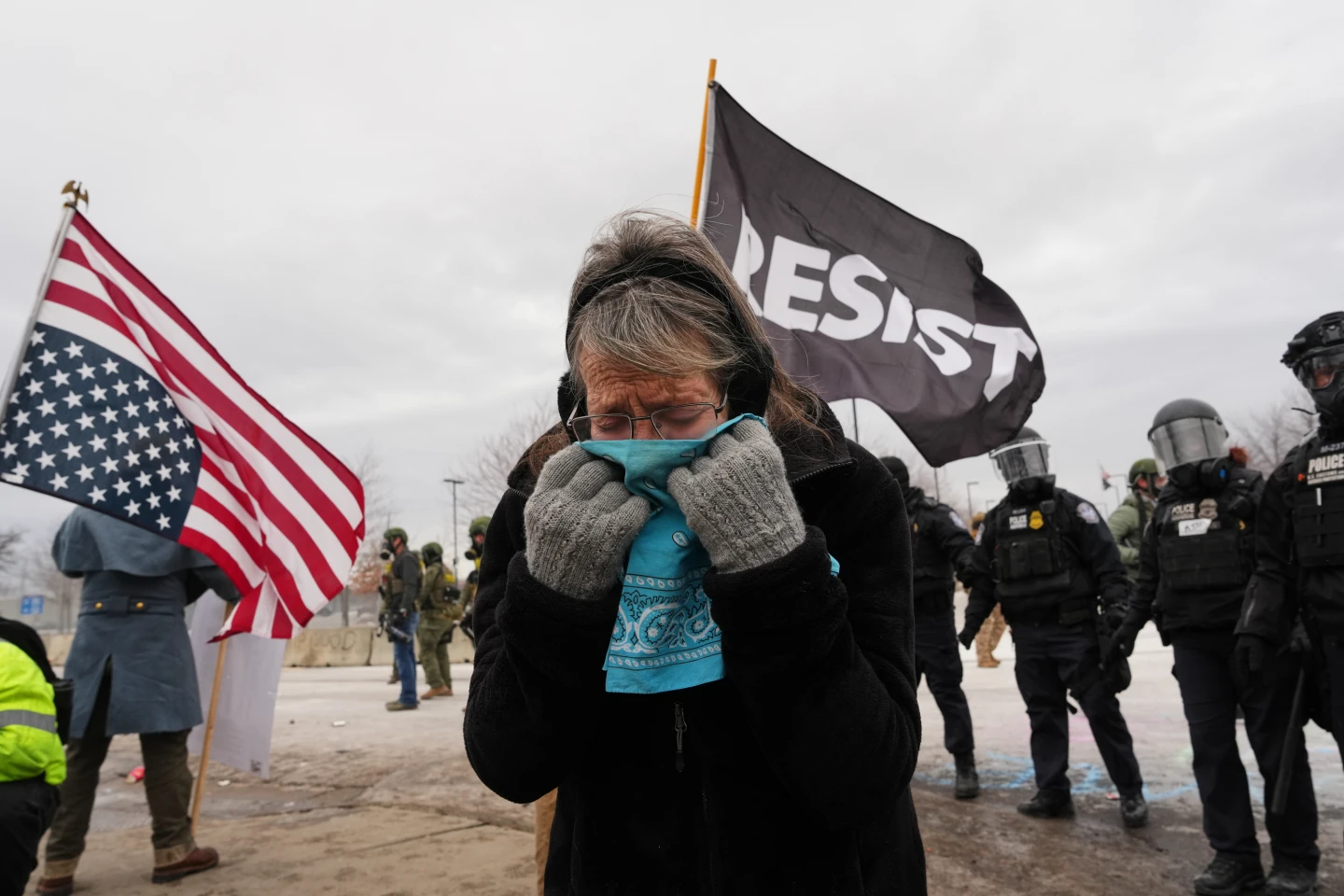
Federal immigration agents deployed to Minneapolis have used aggressive crowd-control tactics — including pointing rifles at demonstrators and deploying chemical irritants early in confrontations — actions the government says are necessary to protect officers from violent attacks. But law enforcement experts warn these measures are escalating risk and being carried out by agents without extensive crowd-management training.
Videos and witness accounts show federal agents breaking vehicle windows, pulling occupants from cars, and deploying chemical agents such as tear gas and pepper spray during close confrontations with protesters. Experts say such tactics, while sometimes justified in targeted arrests, carry heightened risks when used on crowds.
The confrontations come amid a major immigration enforcement surge ordered by the Trump administration which sent over 2,000 officers into the Minneapolis-St. Paul area. Many involved typically handle arrests and deportations, not managing volatile public demonstrations.
This reflects a broader shift in federal authority during protests, now utilizing immigration agents in roles traditionally filled by local police. Experts warn this approach contradicts de-escalation standards and could lead to deadly encounters.
Recent tensions intensified following the fatal shooting of Renee Good, a 37-year-old woman killed by an immigration agent. This incident has spurred protests and led the American Civil Liberties Union of Minnesota to file a lawsuit seeking an emergency injunction to limit federal agent operations during protests.
Former Immigration and Customs Enforcement Director Sarah Saldaña emphasized that the current situation is outside traditional immigration apprehension protocols, indicating that the nature of protest policing requires a different skill set. Experts like Ian Adams from the University of South Carolina pointed out that most crowd-control training occurs within local police departments, raising doubts about the preparedness of ICE agents in handling public order tasks.
Concerns persist regarding the lack of a nationwide standard for handling protests. Experts advocate for clear written policies and regular training reviews to ensure officers are prepared to engage with communities responsibly while de-escalating potential conflicts.