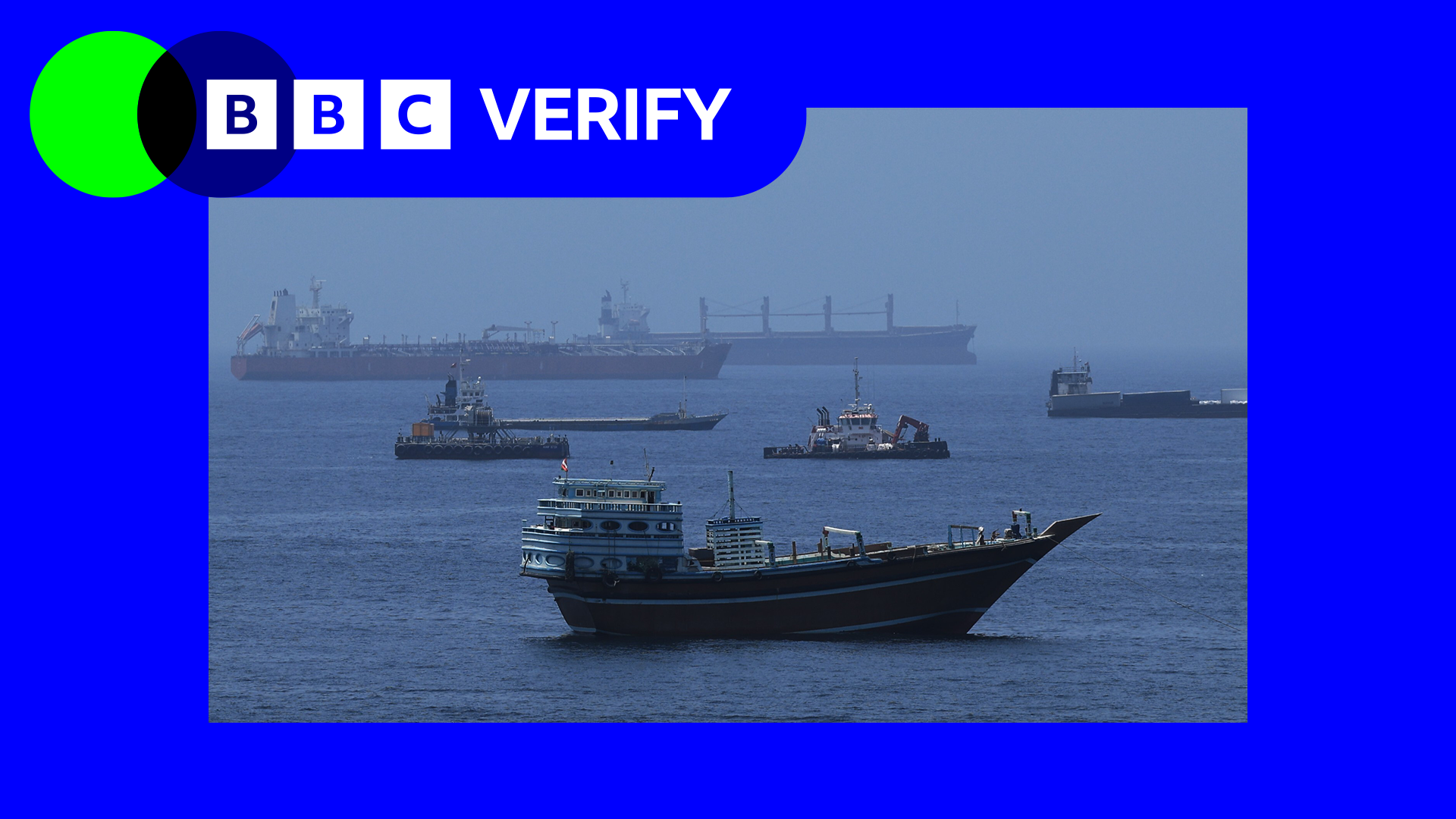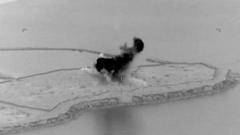
The U.S. military reported it had shot down four Iranian "one‑way attack drones" launched toward the Strait of Hormuz, a move aimed at protecting regional maritime traffic. Shortly thereafter, U.S. forces struck Iranian coastal surveillance radar sites in the south of the country to mitigate further threats.
Iran retaliated by firing a volley of ballistic missiles at two U.S. air bases in Kuwait and against U.S. Navy facilities in Bahrain. Central Command (Centcom) said it had intercepted six of the seven missiles and that the seventh failed to reach its target.
The latest exchanges follow a deadly incident on Wednesday when an Iranian drone struck Kuwait’s international airport. One person was killed and more than 60 were injured, according to local officials. Iran’s Islamic Revolutionary Guard Corps (IRGC) denied responsibility, blaming a U.S. interceptor error.
Centcom refuted the claim, labeling the airport strike a "deliberate, calculated and unjustified attack". The U.S. maintains that the intimidation of U.S. facilities has been a direct response to prior Iranian attacks on an oil tanker and Qeshm Island.
These flare‑ups come as ceasefire negotiations between the U.S. and Iran have stalled, with a deal that was first reached in early April showing no signs of moving forward. U.S. officials accuse Iran of constantly shifting its position and presenting contradictory demands.
The backdrop to this latest round of military tension is the wider regional conflict that erupted after the U.S. and Israel launched extensive strikes on Iran on February 28. In retaliation, Iran targeted Israel and U.S.‑allied states in the Gulf and effectively closed the Strait of Hormuz, a vital artery through which roughly 20% of global oil and liquefied natural gas flows.
The Strait’s closure sent oil prices soaring worldwide, underscoring the strategic importance of the region’s energy supplies. The U.S. blockade of Iranian ports, announced after the ceasefire, remains in effect until a formal agreement is signed.
Despite the escalating military standoff, the U.S. has granted visas to Iran's World Cup football team ahead of their first match in Los Angeles on June 15. It marks the first occasion that a host nation has welcomed a team from a country it is at war with.
The Gulf’s recent eruptions highlight the tension between political ambitions and civilian safety, as well as the global economic stakes tied to the region’s energy flows. As the ceasefire remains fragile, the world watches closely for any further escalation or breakthrough.