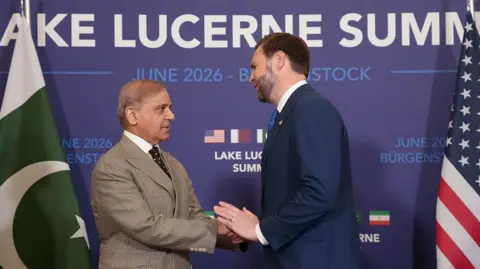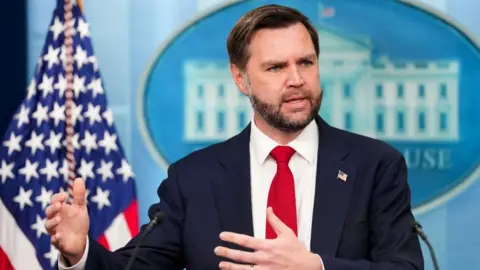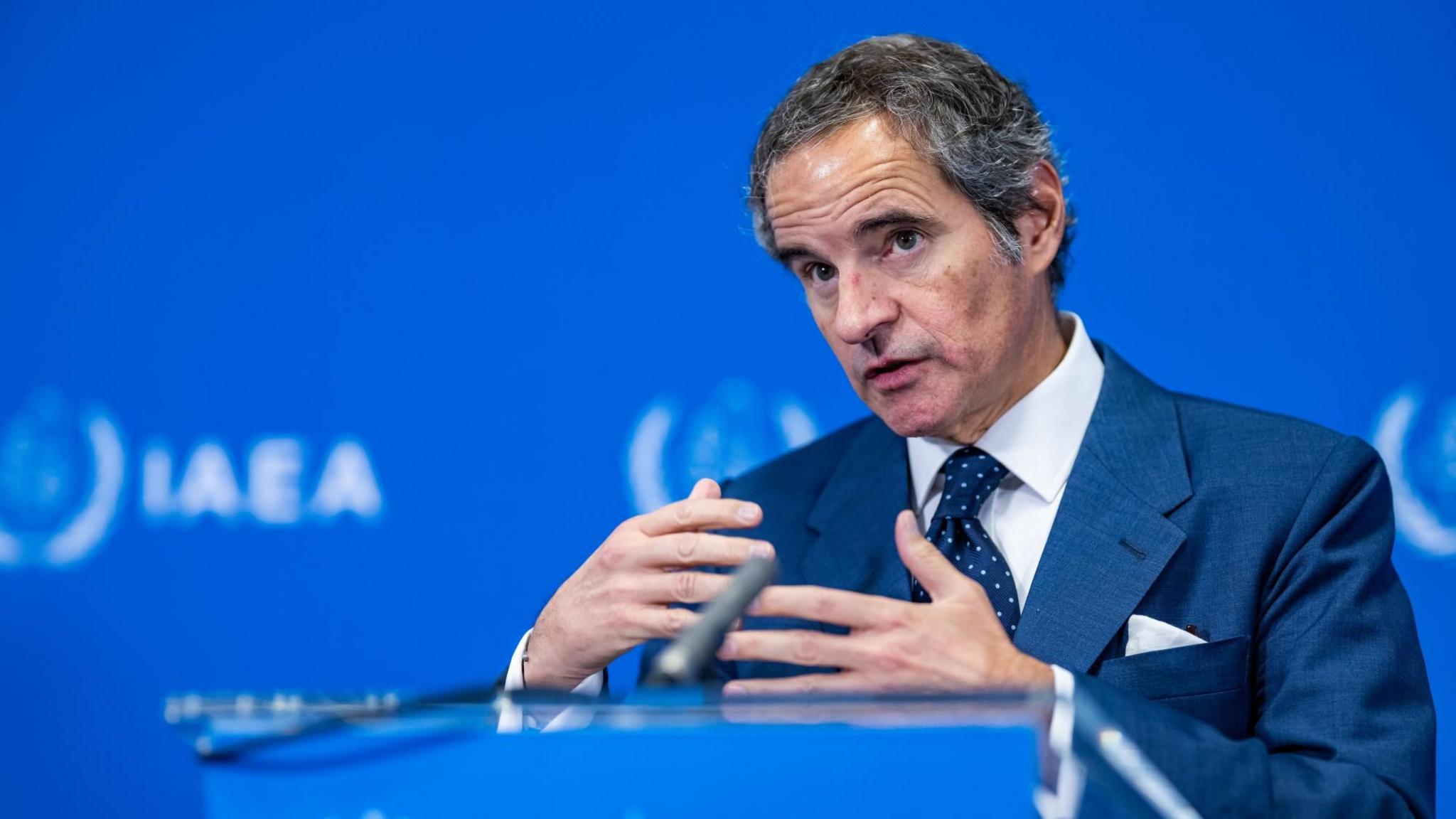
The director general of the International Atomic Energy Agency (IAEA), Rafael Grossi, has confirmed that IAEA inspectors will soon visit Iranian nuclear sites under a newly signed US‑Iran agreement.
Grossi told reporters in Japan, "The inspections will indeed take place. We will be working on the modalities – dates, procedures, places – very soon." He added that the agreement explicitly requires the dilution of Iran's highly enriched uranium to occur under IAEA supervision.
While the Iranian deputy foreign minister stated that access to damaged facilities and nuclear material would only be considered within a final deal with the United States, the IAEA remains committed to carrying out the staged inspections in cooperation with the Iranian government.
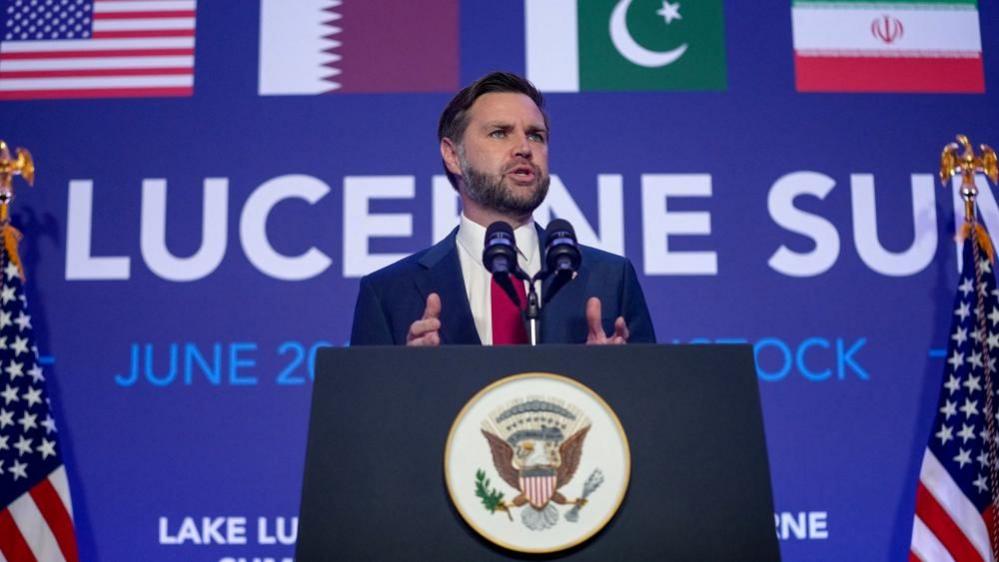
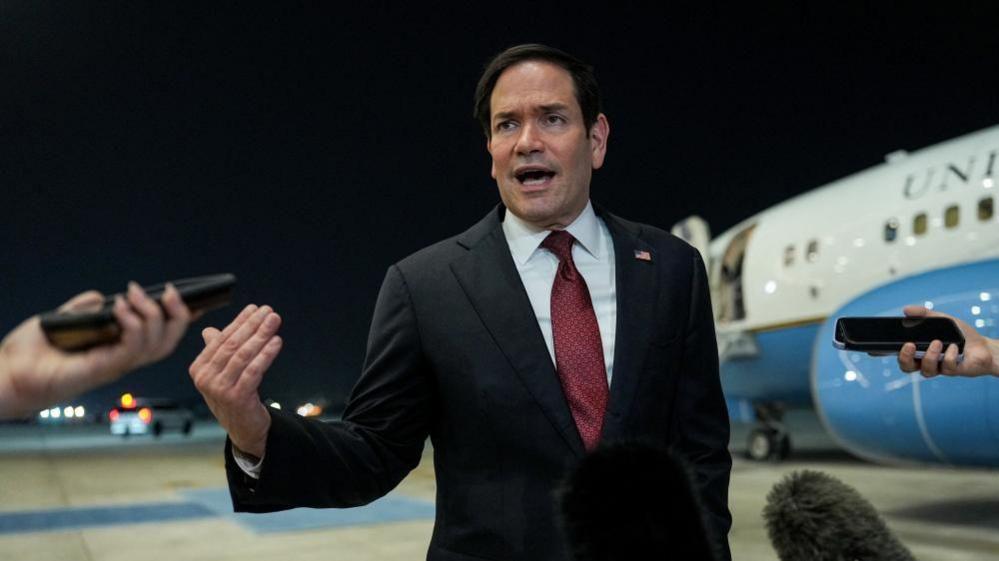
US Secretary of State Marco Rubio met with UAE President Mohammed bin Zayed before travelling to Kuwait and Bahrain to discuss the terms. In Kuwait City, Rubio assured reporters that the United States would not agree to any arrangement that would undermine the security of US allies in the Gulf.
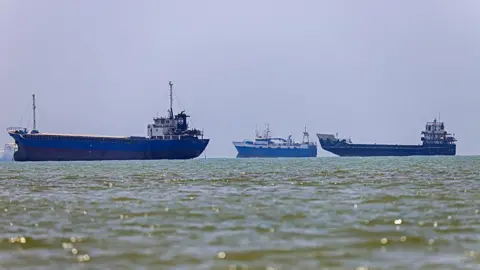
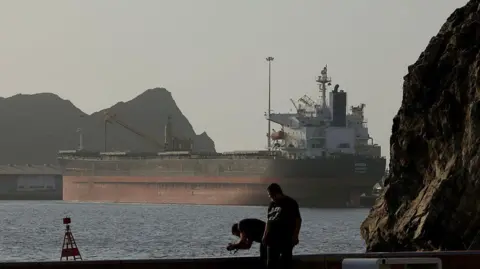
"We're going to be completely aligned with our partners in the Gulf," he said.In a related negotiation, the US stated it would lift a naval blockade on Iranian ports while allowing shipping to flow through the Strait of Hormuz as part of a comprehensive security arrangement.
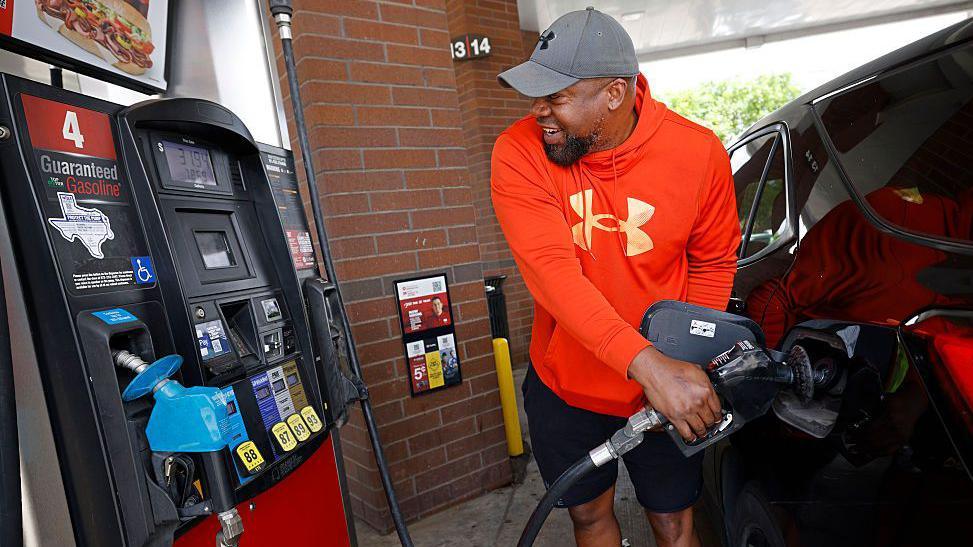
The day after the agreement was announced, Brent crude oil slipped below $75 for the first time since the conflict between Israel and Iran began. Meanwhile, the UN noted that a small number of ships had already used the strait under a temporary evacuations scheme.
These developments mark a significant shift in the diplomatic landscape, signalling a potential thaw in US‑Iran relations and a new chapter in regional security. The IAEA's confirmation underscores the international community’s role in ensuring that Iran’s nuclear program remains peaceful.