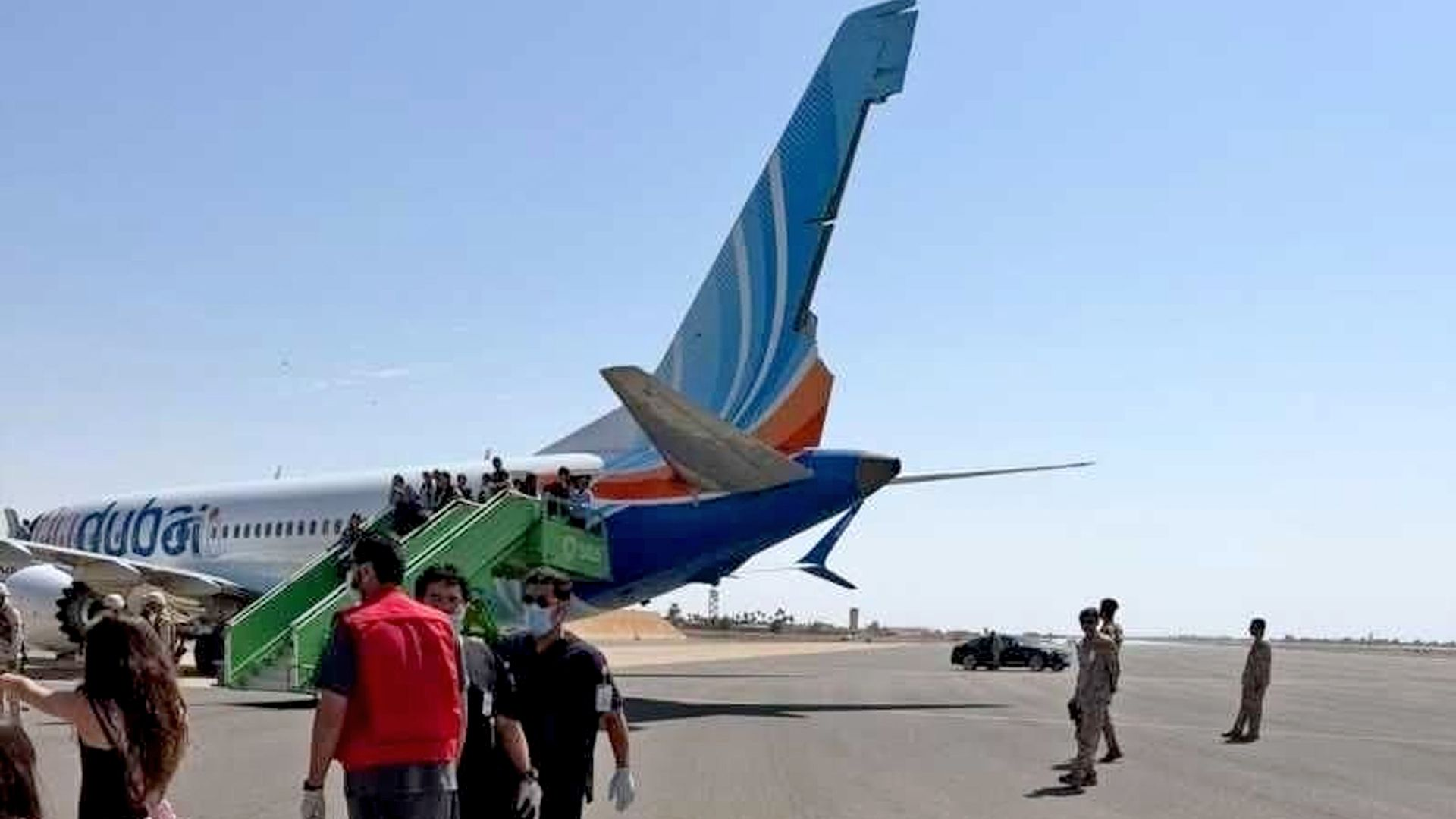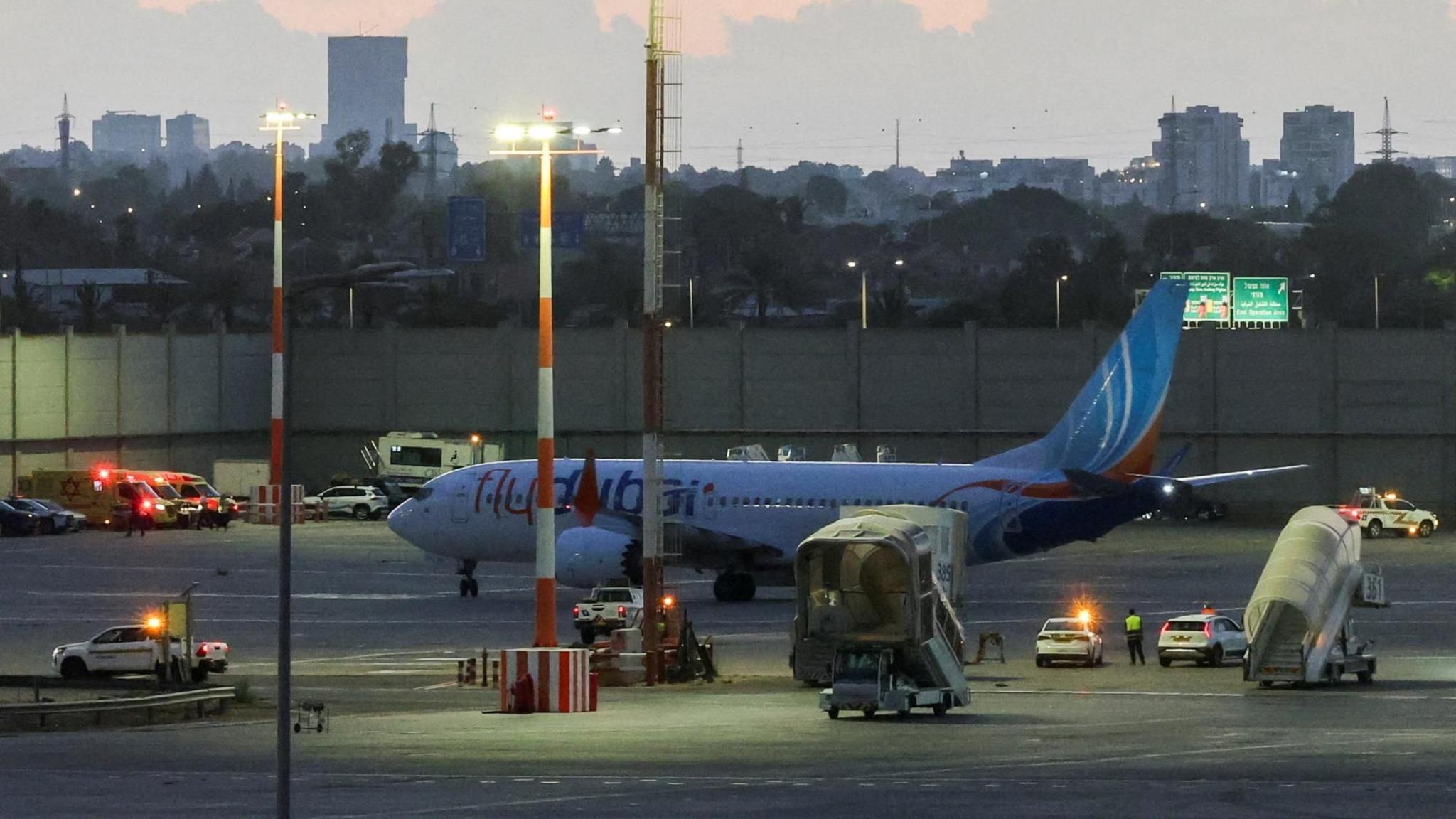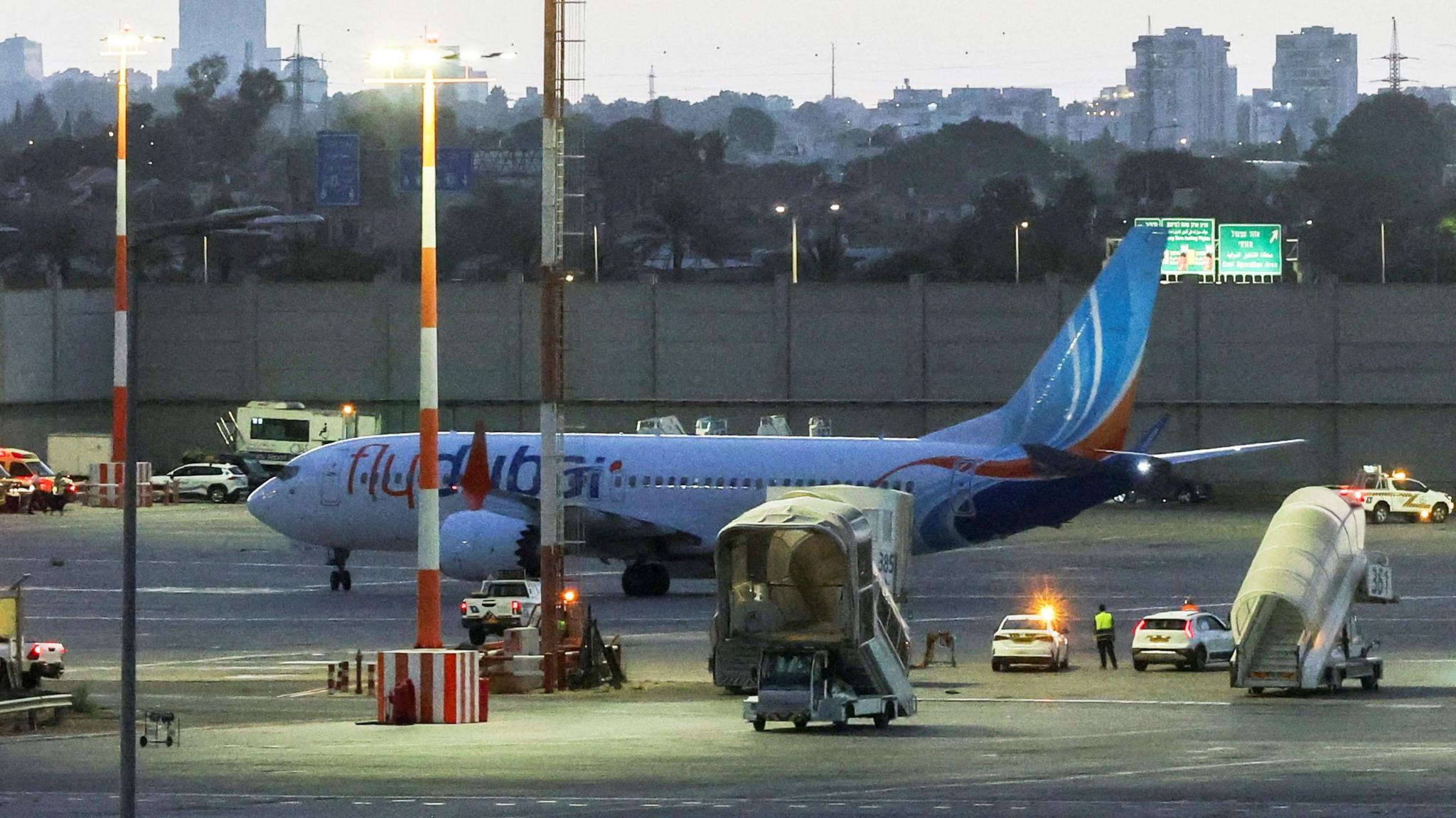
UAE prosecutor says the Omani co‑pilot who staged a cockpit attack on a Flydubai flight began a path to terrorism while studying in Australia.
The Abu Dhabi attorney‑general, Hamad Saif al‑Shamsi, said the pilot, named Hamam al‑Hammami, had been inspired by al‑Qaeda’s 2001 attacks and had planned to crash the aircraft into Tel Aviv. He allegedly wounded the captain with an emergency crash axe before being overpowered by passengers, who then regained control of the aircraft and diverted it to Saudi Arabia.
Investigations revealed the pilot’s extremist influence began in 2017. He reportedly read radical literature and watched online content glorifying suicide attacks while enrolled at an Australian university. The Australian government confirmed he held a student visa in 2014 and studied in 2015‑2017, leaving before completing his engineering course.
Following the incident, Australian authorities, including the Australian Federal Police, Victoria Police and ASIO, opened a counter‑terrorism investigation into the man’s links to Australia. Social media posts from his former X account referred to his time abroad as “the golden years of my religious commitment.”
Security lapses have been called into question. The co‑pilot had previously been barred from flying by Oman Air due to concerns about his extremist views, but was later hired by UAE‑based Flydubai after standard background checks that did not flag his radicalisation. Israeli aviation rules also state that pilots from countries without formal diplomatic ties to Israel cannot operate flights to Israel, yet the incident occurred on a Dubai‑Tel Aviv route.
Passengers and crew praised the actions of Indian co‑pilot Capt Smit Machchhar, who unlocked the cockpit door while being attacked, allowing the crew to retake control. The incident highlights the challenges of detecting and preventing radicalised individuals in the aviation industry.
For more information, see the BBC News coverage and related analysis on international airline security.