In brief
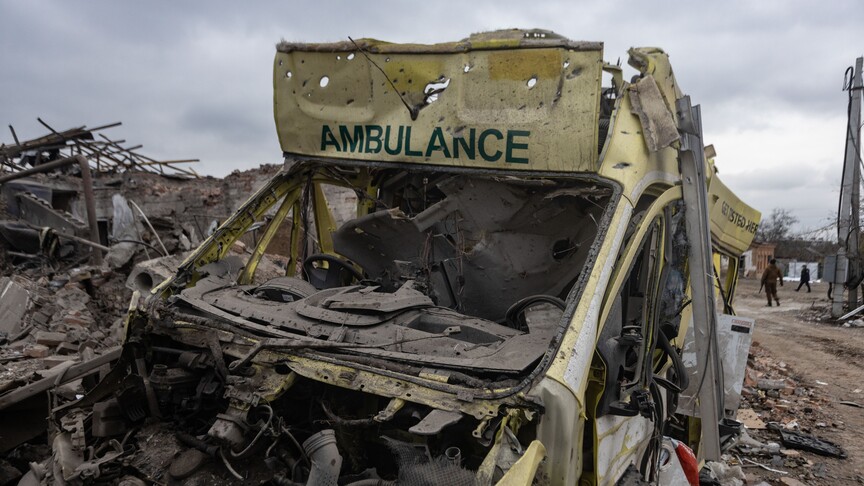
Russian soldiers have positioned themselves around the eastern Ukrainian city of Kostyantynivka, turning the area into a gray zone where neither side claims full control. The move gives Moscow a clear path toward Kramatorsk and Sloviansk and could unlock a complete seizure of Donbas. Ukrainian commanders deny that the ground is lost, but a drone pilot reports that Russian troops quietly infiltrated buildings and are slowly expanding their foothold. While attacks on Russian infrastructure in Moscow and Crimea continue to strain Moscow’s supply lines, the situation in Kostyantynivka remains highly volatile, with the possibility of a major crisis looming if the city falls. Ukrainian forces are urged to adjust tactics to hit Russian logistics and pilots to stop further advancement.
Russian soldiers have secured positions around the eastern Ukrainian town of Kostyantynivka, effectively turning the area into a grey zone where neither side can claim full control. The city, located at a crossroads to the Donbas region, is a strategic gateway that, if captured by Russia, could allow a swift push toward Ukraine’s fortified eastern pockets of Kramatorsk and Sloviansk.

Ukrainian commanders insist that the frontline remains under control, noting that only a small number of Russian troops—about 130—are reported to be inside the city. However, a drone pilot operating on the ground confirmed that Russian soldiers have begun infiltrating buildings, gradually expanding their presence and using the urban terrain to shield themselves from Ukrainian counter‑fire.
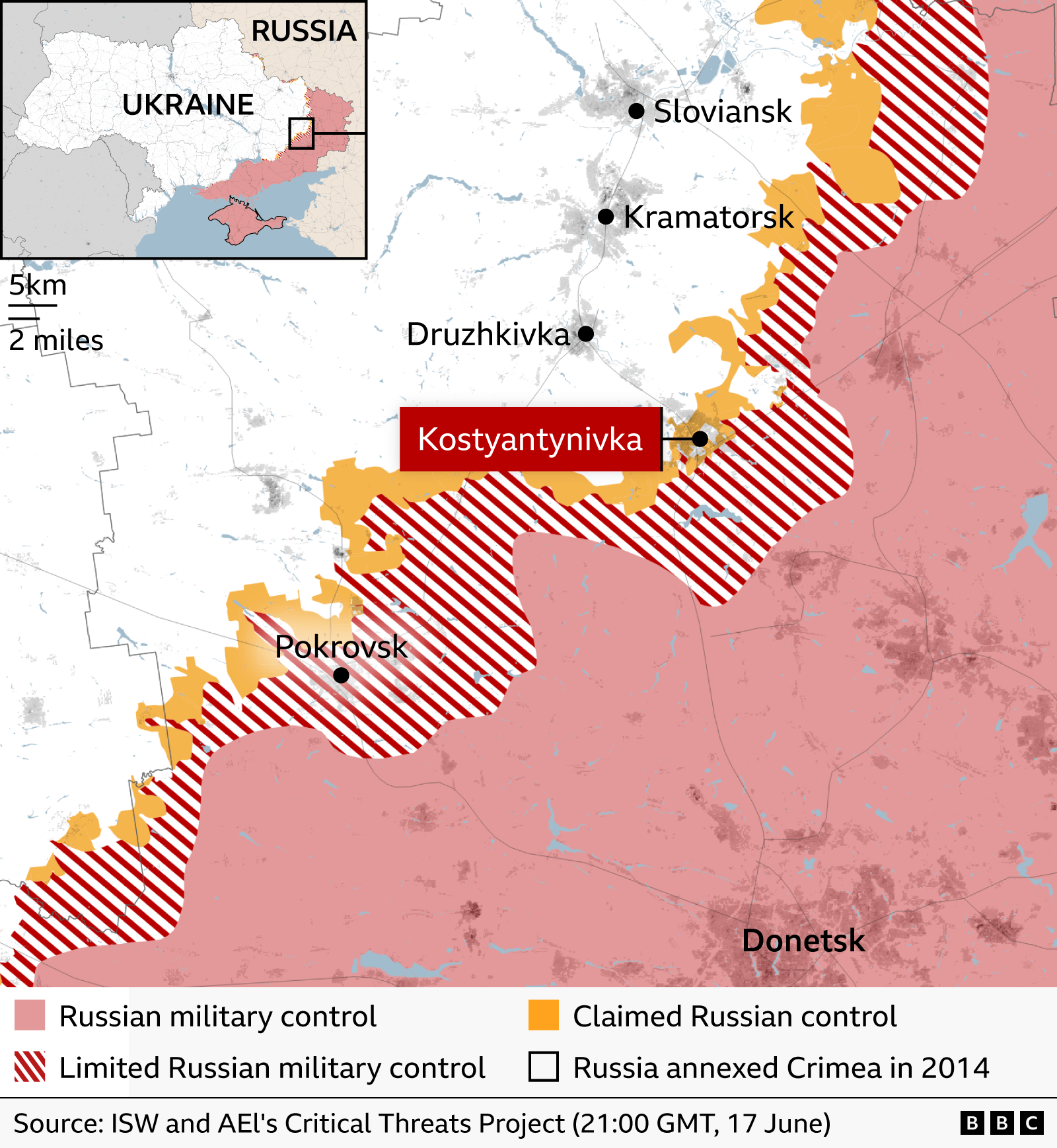
The Russian defense ministry claims rapid advancement, citing that they have surrounded Ukrainian units from the south and the north. Brigadier‑General Oleksandr Bakulin, who leads the 19th Corps in the area, publicly denies any break‑in but acknowledges the presence of Russian forces. He stresses that the situation remains "under control" and that the enemy has had no success so far.
Amid the stagnant front line, Ukrainian airstrikes target gasoline processing plants in Moscow and other Russian cities, aiming to disrupt Moscow’s war‑related logistics. Simultaneously, Russian-backed forces press forward from the south, capturing villages west of Kostyantynivka and cutting off supply routes.
What the Ukrainian defence forces struggle to convey is that the urban battlefield in Kostyantynivka allows Russian soldiers to hide while drone pilots can spot and strike them instantly. With limited resources, Ukrainian crews often exhaust their batteries and manpower, forcing them to retreat from newly seized ground. The slower pace of the Ukrainian advance—sometimes moving only a few hundred meters a day—exposes their positions to Russian drones.
The situation has escalated to a “major crisis,” according to a Ukrainian frontline monitoring project, DeepState. They warn that the fall of Kostyantynivka would not only complicate logistics for remaining Ukrainian positions but also make holding Kramatorsk dangerously perilous. Soldiers report a lack of reinforcements and a reluctance from commanders to admit losses, creating a dangerous stalemate. The need to counter Russian logistics and drone activity is paramount; otherwise, the frontline will continue to shift against Ukraine’s interests.