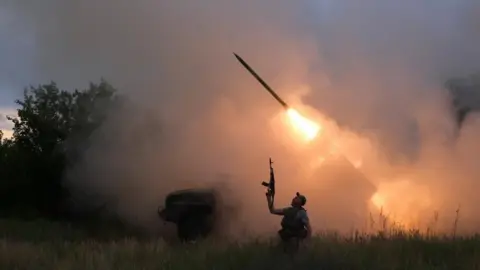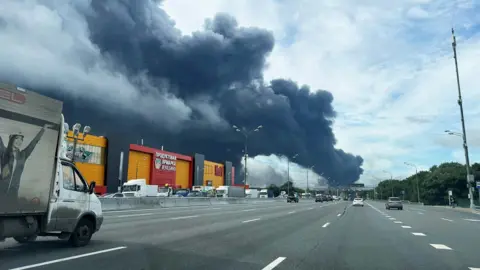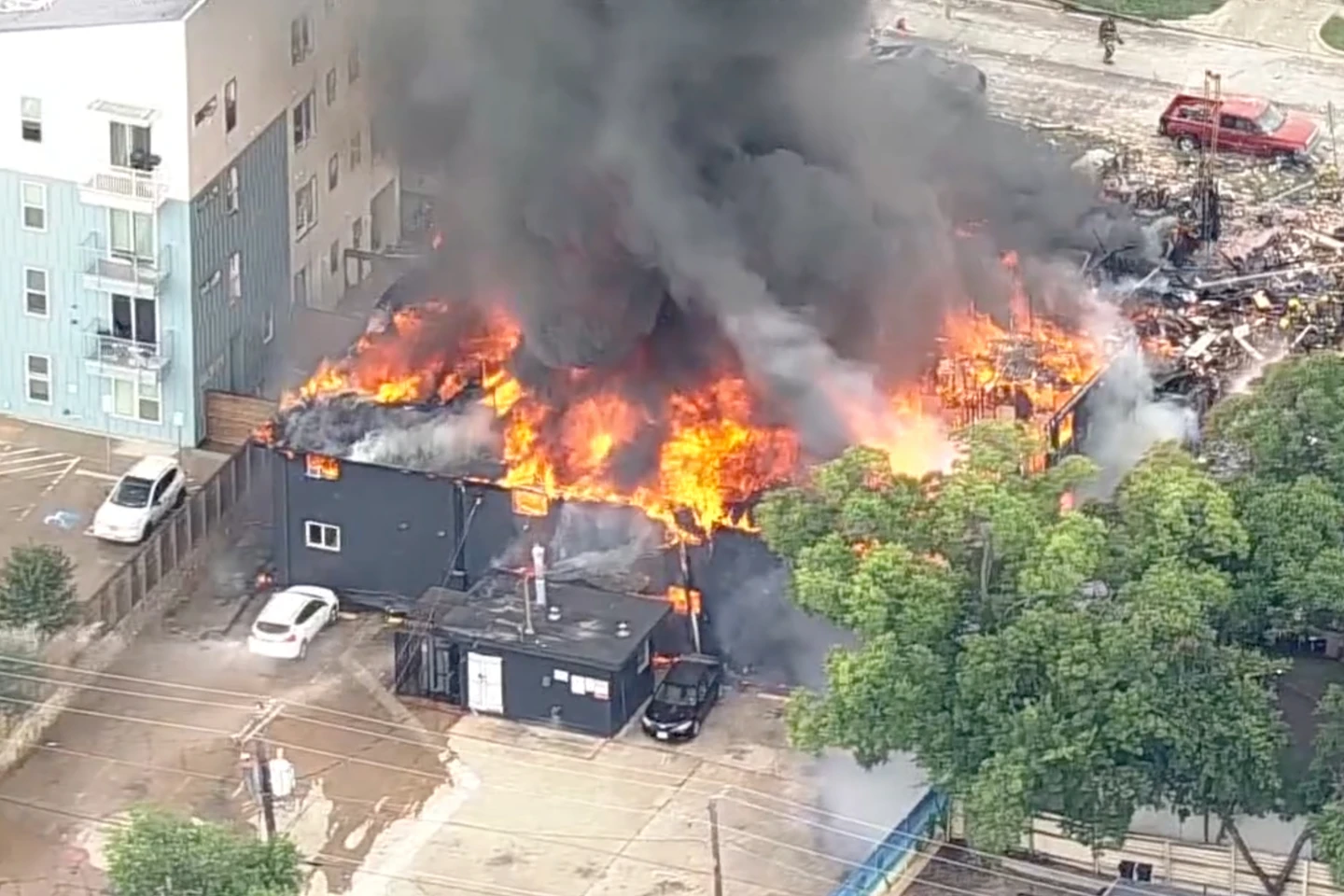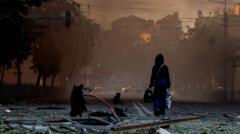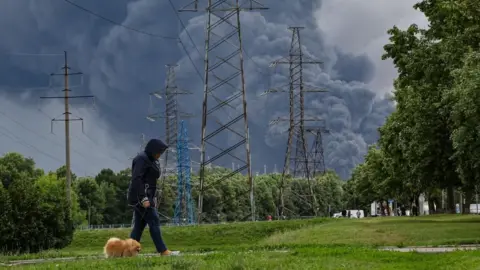
A Ukrainian drone strike on Moscow’s Kapotnya oil refinery has turned the city’s skyline into a dark smog cloud, marking the largest aerial assault on the Russian capital since the war began.
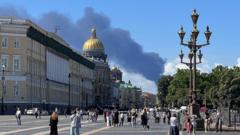
The attack, which occurred at first light on 18 June 2026, sent thick black smoke rolling across the Moscow region. Witnesses described a surreal calm – children playing, shoppers moving, and an angler fishing near the river – while the fire remained visible on the ring road.
Many residents professed disbelief at Moscow’s new reality. One neighbor reflected: I did not expect the scale of the attack, even if I somehow had prepared for it. Another shared a memory of an older war that took years to win, yet she noted the gulf between that past and the present crisis.
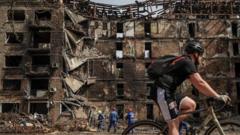
The damage extended beyond the refinery: shopping centres and residential buildings suffered hits, while the governor of the Moscow region reported a tragic death of an eight‑year‑old girl in a resulting fire. The Kremlin’s official narrative framed the assault as a retaliatory strike on Ukrainian infrastructure tied to the military‑industrial complex, and corresponding outlets repeated the message that Russian operations are more effective than Ukrainian ones.
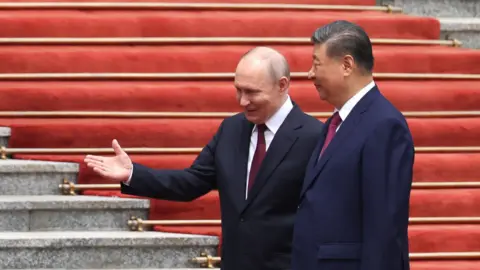
U.S. President Vladimir Putin’s spokesman Dmitry Peskov addressed reporters the following day, saying the Russian armed forces would continue launching strikes that produce “impressive results” and assuring citizens there would be “more footage from Ukraine.” The Kremlin made no immediate remarks during a Russia‑ASEAN summit in Kazan on that same day, seemingly ignoring the incident in domestic communication.
The ongoing raids are beginning to strain the Russian economy. Reports indicate petrol shortages in some regions and a steady rise in fuel prices. While Moscow expects further drone attacks, the most significant wave appears to have already shown its warning.