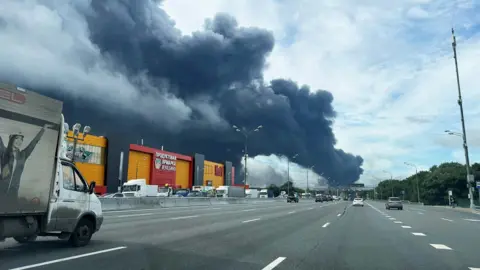
Oil‑laden Rainstorms over Moscow after Massive Drone Attack
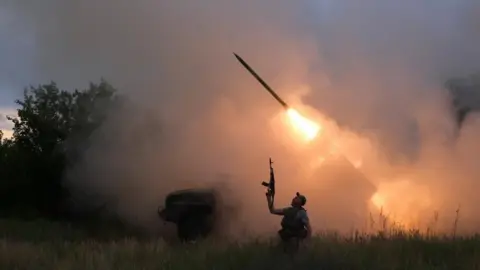
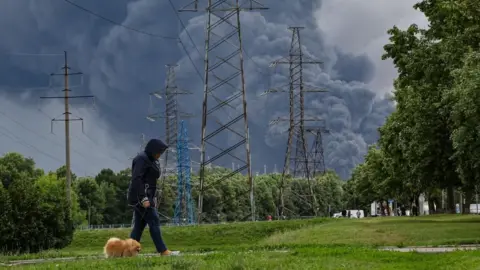
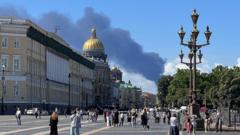
At dawn Thursday, an intense wave of nearly two hundred Ukrainian drones struck the Kapotnya oil refinery located in the Moscow’s south‑east. The impact sent a plume of black smoke soaring into the sky and left a thin mist of oily droplets drifting over streets and estates, which residents described as “black rain.”
Local authorities reported 17 injuries in the Moscow region, while the city’s Defence Ministry claimed that almost 1,000 drones and four Ukrainian cruise missiles were intercepted across Russia in the preceding 24 hours. An oil depot in the southern Rostov region also suffered a strike, killing one person.
Because of the heavy smoke, Moscow’s official Telegram channel urged residents of affected districts to keep windows closed and advised families with children, the elderly and asthmatics to evacuate the area. The city’s four airports were temporarily shut, causing more than 500 flights to be cancelled or delayed.
Visual confirmation of the fire and its aftermath came from video footage, one of which captured a large silo’s roof being blasted apart and the air filled with a soot‑laden haze. Another clip showed a high‑rise shopping centre ignite after drone debris landed on its upper floors.
It is a documented tactic for Ukrainian forces to fire a high‑volume stream of reconnaissance drones to assess air‑defence layouts before launching main strikes. Despite the extensive defences erected around Moscow, several drones managed to penetrate the barriers, sending anti‑missile debris to the ground.
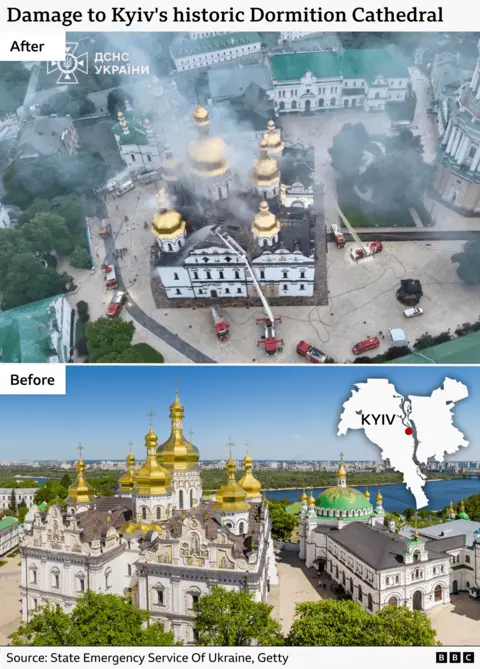
Ukraine’s President Volodymyr Zelensky said the new attack was in response to recent Russian air strikes on Kyiv, including the assault on the Pechersk Lavra monastery. Meanwhile, Russian Foreign Minister Sergei Lavrov warned that further strikes would be launched on a mass scale if necessary.
The incident highlights growing concerns over the effectiveness of Russia’s air‑defence system against large‑scale, high‑tech drone attacks, especially when targeting key industrial infrastructure within the capital.