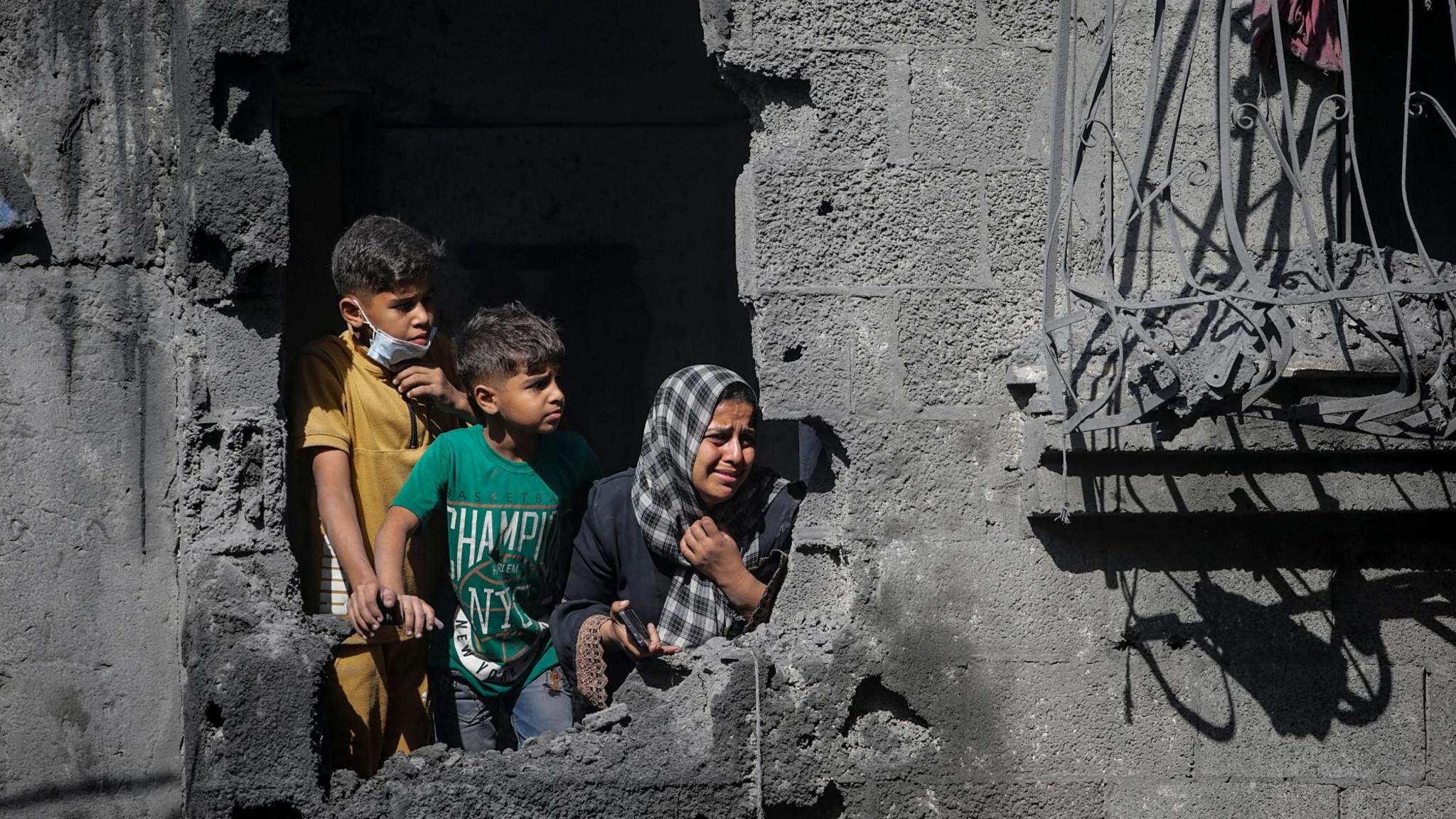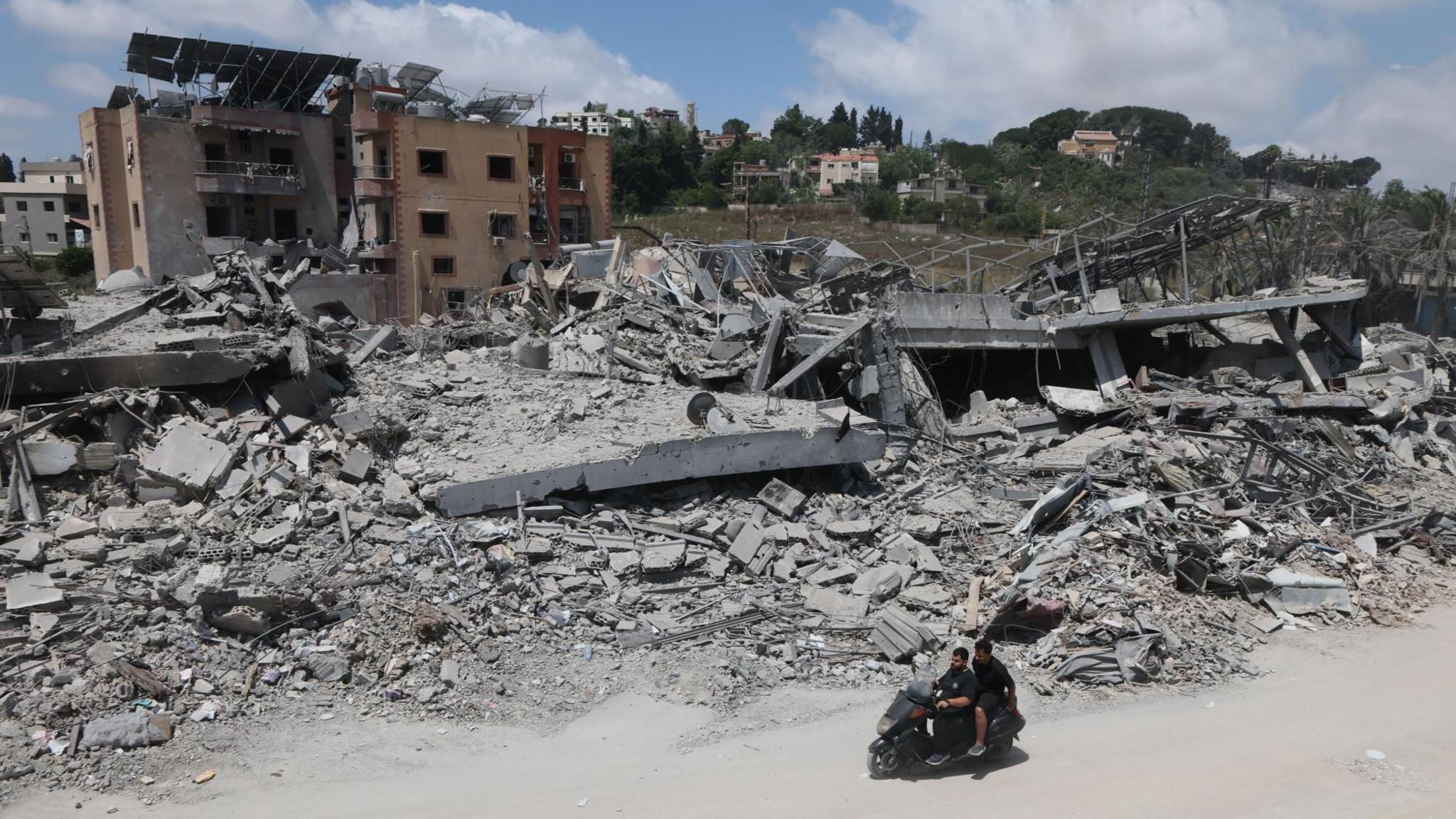
Nearly six months after a fragile ceasefire came into force in Gaza, Palestinians in this war-torn territory are still struggling.
In the markets, there are again shortages of some goods and rising prices – with merchants saying supplies brought in from Israel have been disrupted by the new war in the region.
What does the war between Iran and Israel have to do with us? Prices have doubled here. Goods aren't coming in like before, says a shopper, Hassan Faqawi, despairingly. In this situation, the whole world is focused on Iran, America and Israel, and Gaza is forgotten.
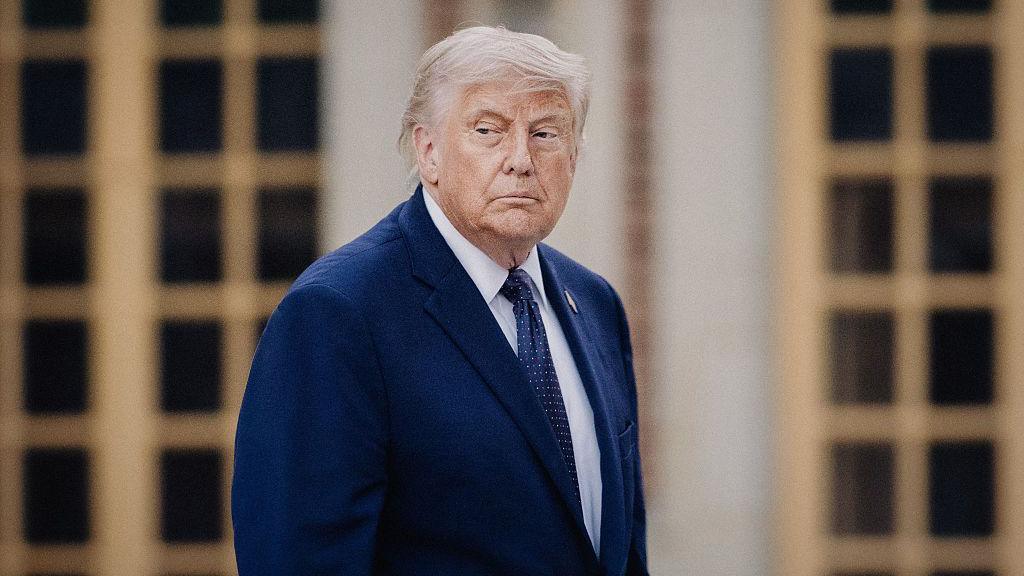
While world attention has turned to the Iran war, there is increasing uncertainty about what happens in Gaza at a crucial stage in President Trump's 20-point peace plan, which halted the fighting in October last year.
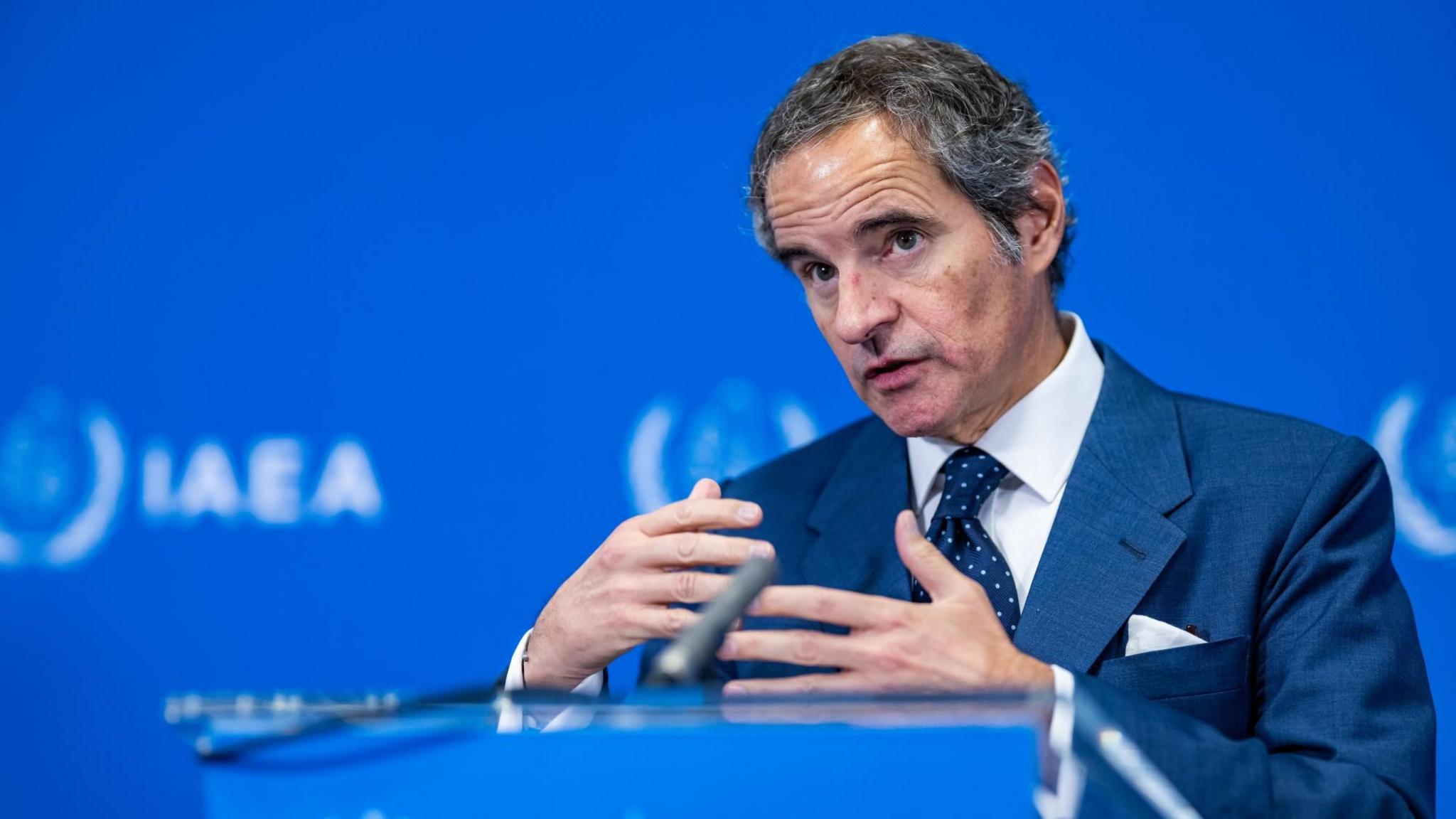
In the past week at the UN Security Council, the High Representative for Gaza on the US-led Board of Peace, Nickolay Mladenov, laid out a detailed plan for Palestinian armed groups to decommission their weapons - linking compliance to the start of reconstruction.
However, a Palestinian official familiar with Hamas affairs told the BBC it was likely that Hamas, whose October 2023 attack on Israel triggered the war, would reject the proposals. That raises the prospect of a return to a full-force military offensive with Israel's prime minister demanding that Hamas disarms either the easy way or the hard way.
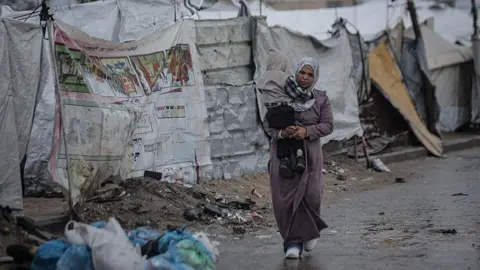
Heavy rain in recent weeks caused sewage systems to overflow in crowded tent camps.
Although the Trump plan pledged the immediate resumption of full aid to Gaza, with rehabilitation of essential infrastructure - for water, sewage and electricity - humanitarian agencies say much more needs to be done. Reconstruction materials are not yet allowed by Israel to enter, on the grounds that they could be used by Hamas to build tunnels and weaponry.
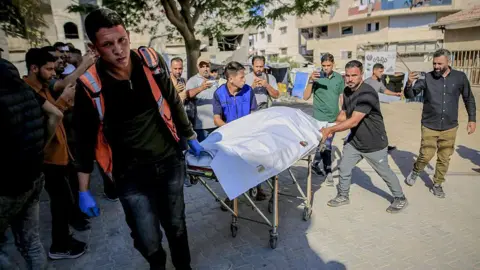
Despite a ceasefire, Israeli air strikes in Gaza have continued. Dozens of Palestinians – including children – have been killed since the outbreak of the Iran war at the end of February. Israel says it is targeting Hamas, with commanders of its military wing and police officers among the dead.
While Hamas publicly welcomed the creation of a new 15-member Palestinian technocratic committee - an apolitical body to temporarily run Gaza - and pledged to hand over governance, there are signs that the group is reasserting its authority. Witnesses say masked men in military-style uniforms have set up dozens of checkpoints, stopping and searching vehicles and passers-by after nine o'clock at night.
Meanwhile, traders and shopkeepers complain that Hamas has imposed heavy taxes on goods and services – pushing up prices in Gaza even further. Gazans express frustration with the situation.
Unfortunately, no-one is controlling Gaza right now except Hamas, says a displaced woman, Hanaa. We pray to God that peace will be imposed, and that the national committee will come and control Gaza.
A senior official in the National Committee for Gaza Administration stated there is no date yet for a return to Gaza.
At the UN on Tuesday, Nikolay Mladenov laid out a framework to decommission the weapons of Palestinian armed groups - starting with the most dangerous weapons, rockets, heavy munitions, explosive devices and assault rifles. Mladenov indicated that this would represent a decisive break from cycles of violence. The choice he outlined at the Security Council was between a renewed war, or a new beginning.
However, the Palestinian source close to Hamas stated that the group is likely to reject the disarmament proposals, which are linked to the gradual pullout of Israeli troops. Hamas leader Bassem Naim criticized Mladenov's approach, claiming it aligns with Israeli interests without genuine guarantees for future commitments.
Many Gazans remain skeptical of the peace plan's effectiveness as international focus shifts towards Iran, leaving their needs and challenges in the shadows.