ATLANTA (AP) — As Democrats continue to gain electoral ground in key Atlanta counties of Georgia, the Republican-majority House has passed a controversial bill aimed at requiring most local candidates to run without party labels.
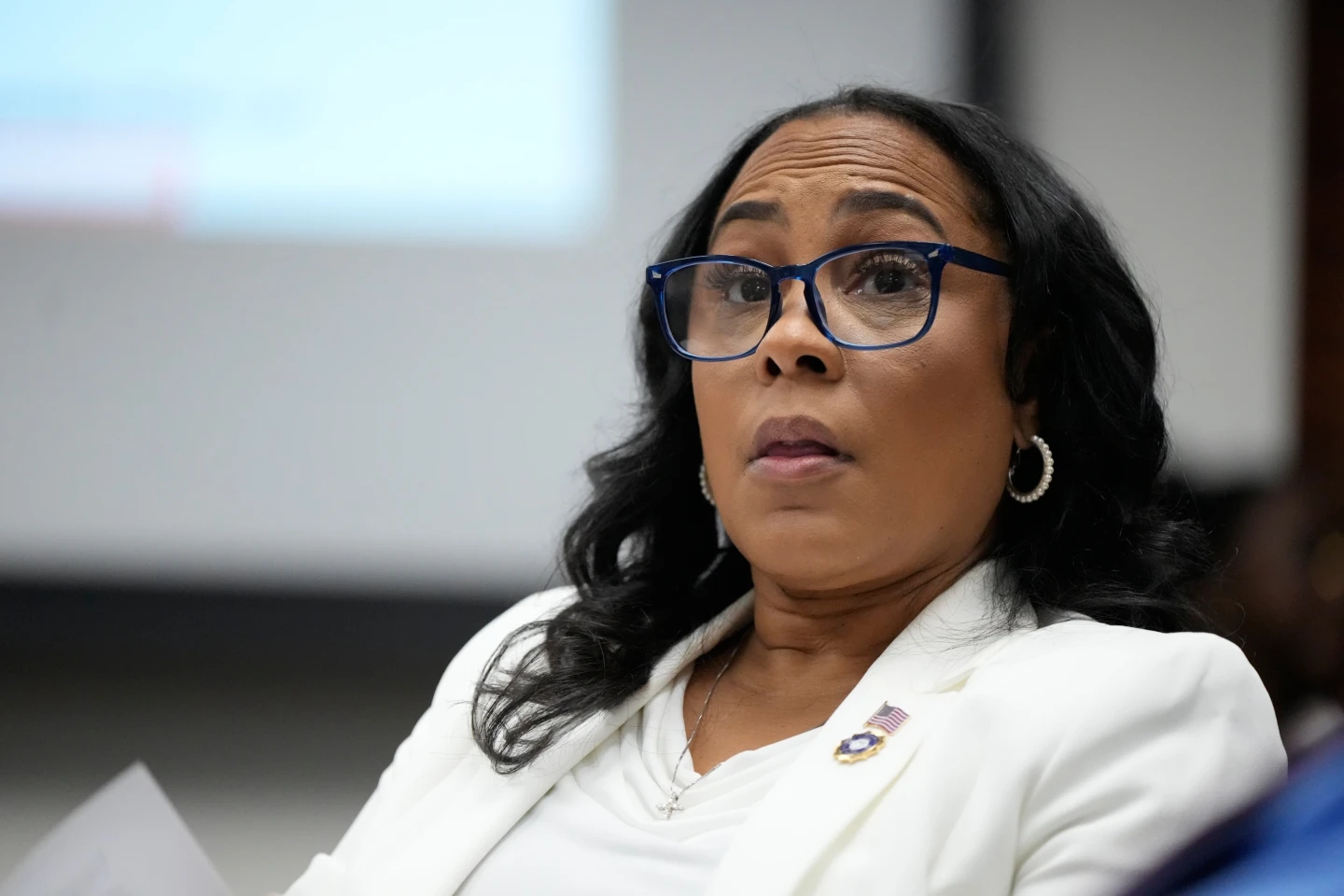
The legislation, approved recently, specifically applies to the five most populous counties in the metro Atlanta area, which includes Democrat strongholds such as Fulton County, home to District Attorney Fani Willis. Republicans have long targeted Willis due to her prosecution of former President Donald Trump, stemming from his efforts to overturn his electoral defeat in 2020.
State Sen. John Albers, representing Roswell, argued that the bill is essential for promoting public safety, despite the fact that elected sheriffs in these counties would continue to run under party labels when the measure takes effect in 2028.
“This is a bill that makes perfect sense,” Albers stated. “If you’re playing politics, you’ll be against this. If you want to keep Georgians safe, you’ll be for it.”
The bill mandates nonpartisan elections for district attorneys, lower-level county prosecutors, county commissioners, court clerks, and tax commissioners in areas heavily influenced by Democratic voters, including Fulton, DeKalb, Clayton, Cobb, and Gwinnett counties. Critics argue that the move is a blatant attempt to rig elections in favor of Republicans, as these counties have increasingly embraced Democratic candidates in recent years.
Democratic leaders have voiced strong opposition to the measure, claiming it seeks to disguise candidates' affiliations and mislead voters. State Rep. Gabriel Sanchez remarked, “The reason we’re putting this bill forward is because there’s a certain side that’s losing elections in these counties, so they want to hide behind a nonpartisan badge in order to win them.”
The bill's primary sponsors assert it is not aimed specifically at Willis, but other Republicans have suggested otherwise. Rep. Trey Kelley emphasized that the legislation allows voters the chance to remove district attorneys who prioritize politics over justice.
Despite facing criticism, the legislation has advanced, and discussions continue about its implications and potential effects on future elections. Spokespersons for Republican Gov. Brian Kemp have remained noncommittal regarding whether he would sign the bill into law.
In the General Assembly, two Republican votes opposed the measure, highlighting internal disagreements over the bill's statewide applicability.