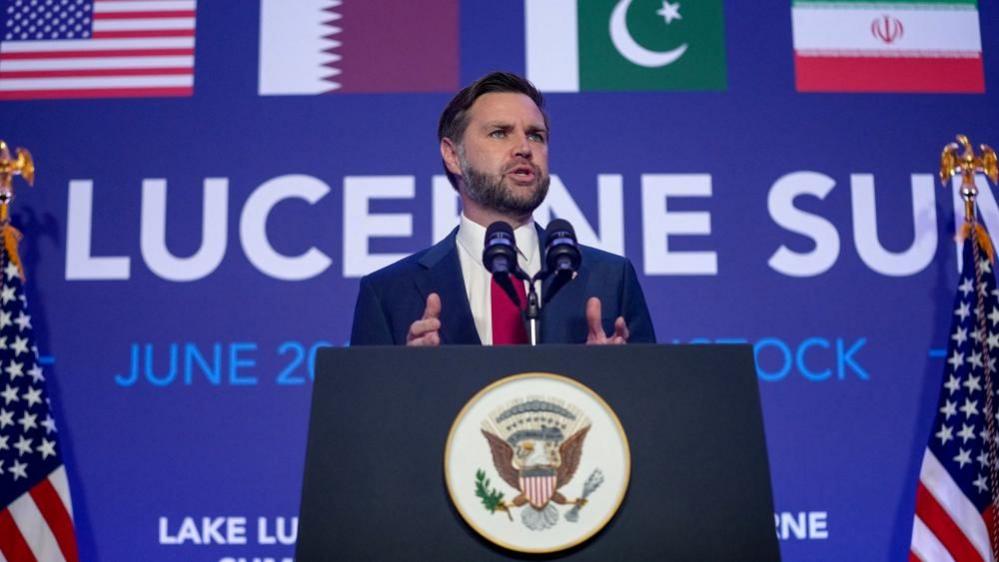
Finally, after a series of stalled attempts, the United States and Iran have signed a Memorandum of Understanding that many observers say could transform a volatile region into a more stable environment. Both sides immediately celebrated what they see as a decisive victory.
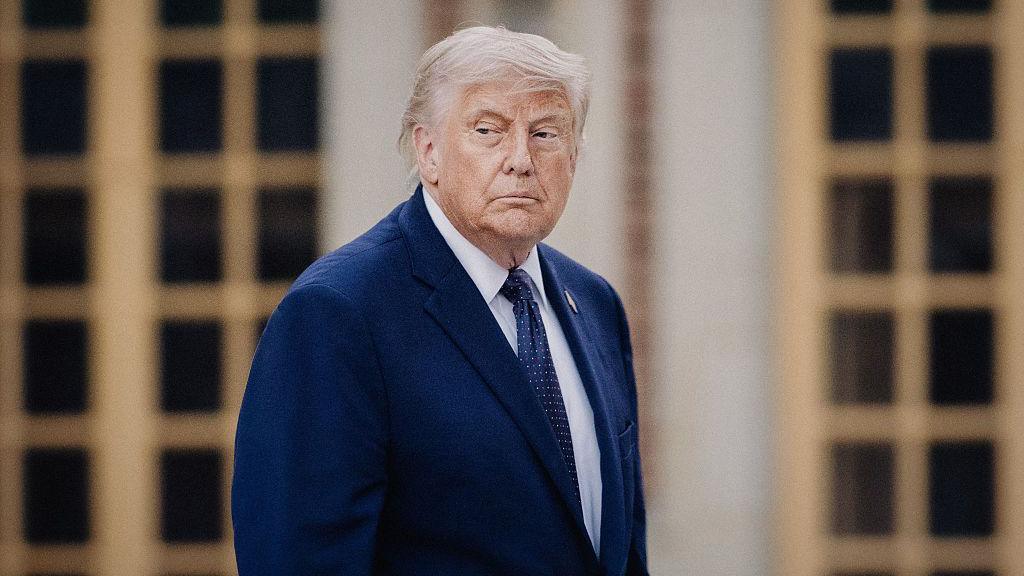
U.S. President Donald Trump declared the deal a "Great Deal" that will bring peace and security to the entire region, while Iran’s deputy foreign minister, Kazem Gharibabadi, hailed the agreement as proof of Iran’s military prowess.
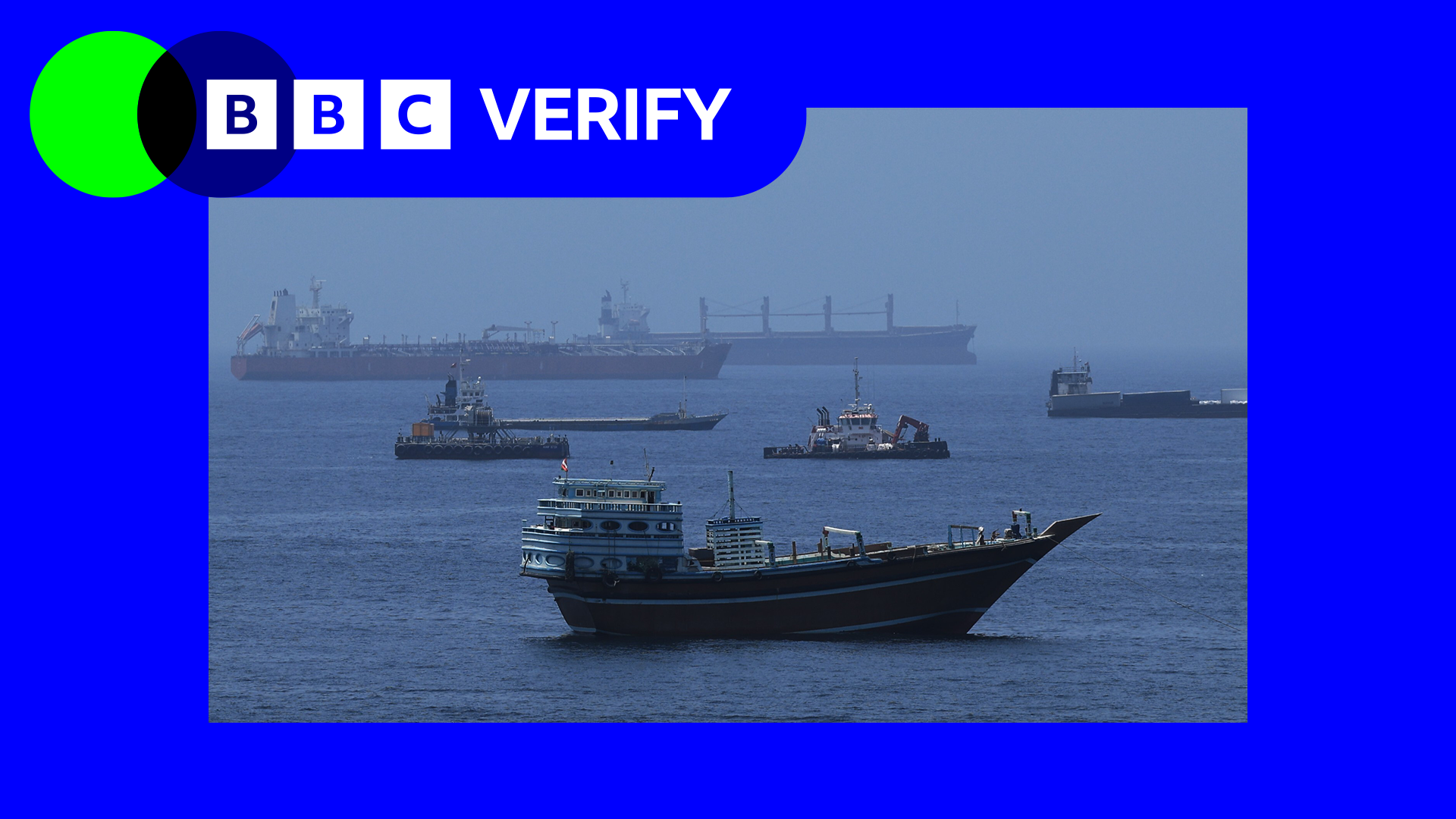
The memorandum also promises the lifting of the Strait of Hormuz blockade and the U.S. embargo on Iranian ports – an outcome that could relieve economic pressure on Iran and ease the broader diplomatic sting felt by Gulf partners. However, the terms of the agreement regarding permanent termination of military operations remain vague, especially as Israeli Prime Minister Benjamin Netanyahu shows no immediate willingness to halt the current offensive against Hezbollah.
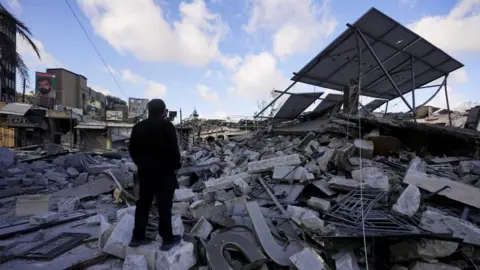
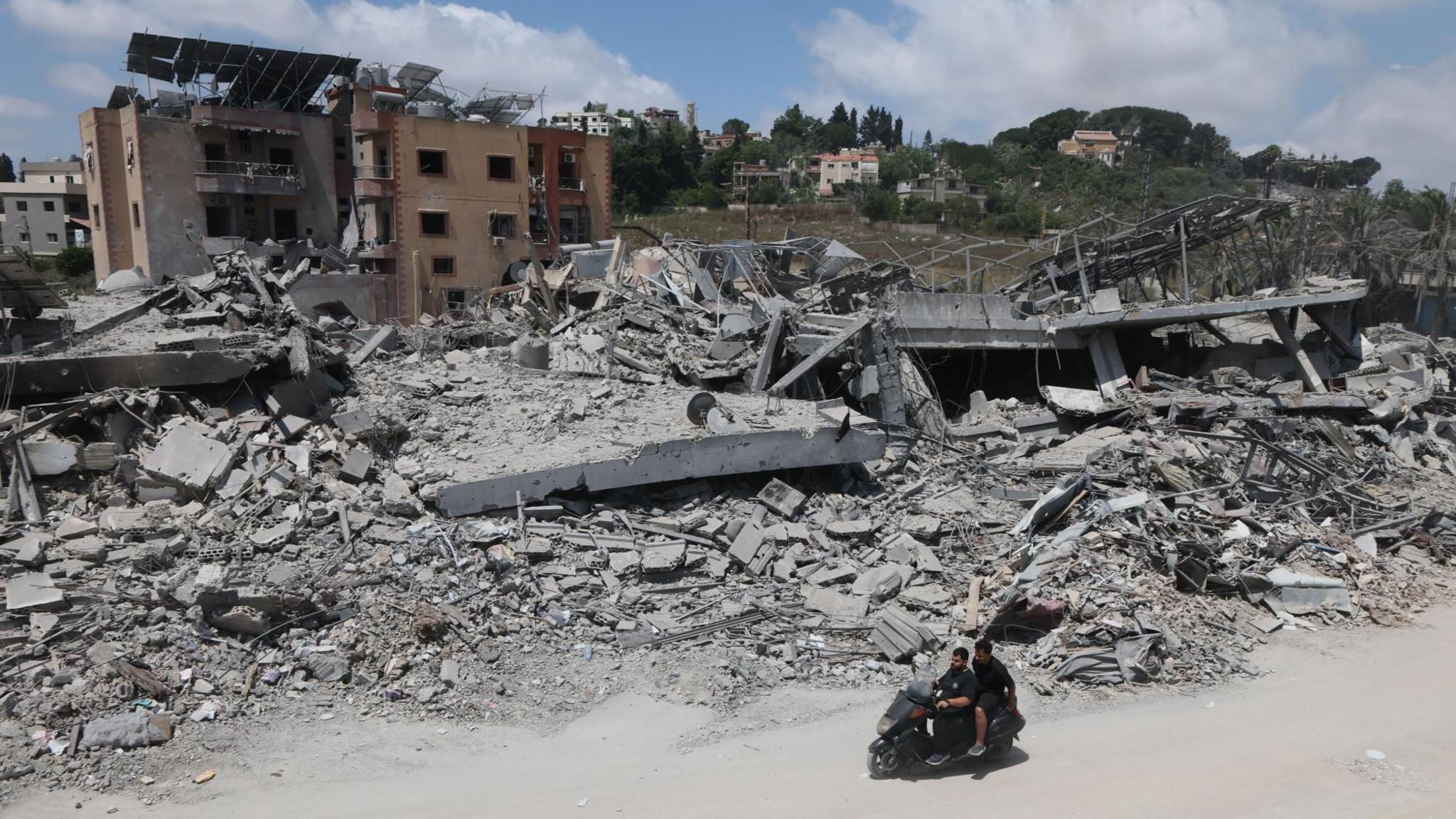
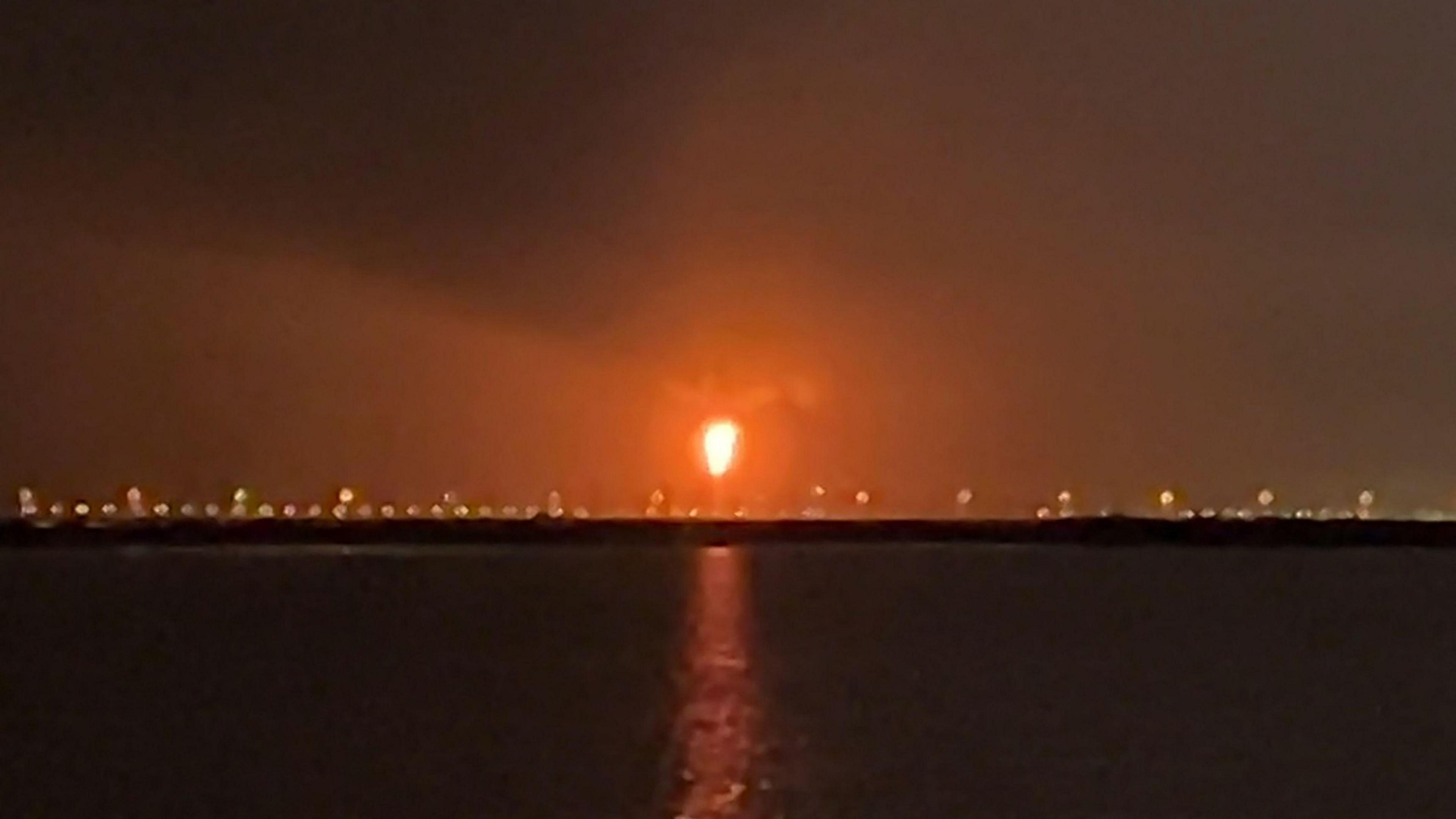
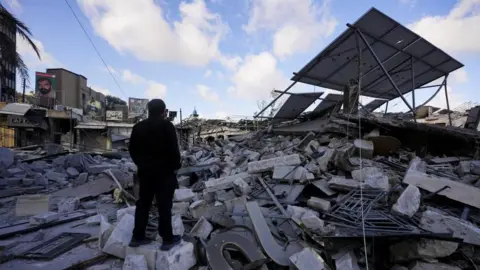
Repeated Israeli strikes on southern Beirut have, in the past week, nearly derailed the diplomatic process, while Iran has been forced to restrain missile responses to avoid jeopardising the deal. The agreement’s net effect on Lebanon is therefore uncertain as the cease-fires already in place have failed to take hold.
Another key concern is whether the memorandum introduces robust mechanisms that would prevent Iran from developing a nuclear weapon in the future – a matter the U.S. and Israel deemed critical prior to the region’s full militarisation. While Iranian state media claims a protection framework has been crafted, independent verification is likely to come after the formal ceremony, which still lies several days away.
For Iran’s Arab Gulf neighbours, any reduction in missile threat is welcome news that could potentially shift the perceived balance of power. Yet the deal’s effectiveness in ending sustained Iranian missile activity remains to be tested.
In short, while the memorandum has lifted a significant source of tension, the breadth of its guarantees and the political will of all involved parties remain to be proven. The path to a lasting peace will likely be turbulent, but the initial reduction of hostilities offers a sliver of optimism amid the region’s complex geopolitical dynamics.