What the US‑Iran Agreement Means for the Region
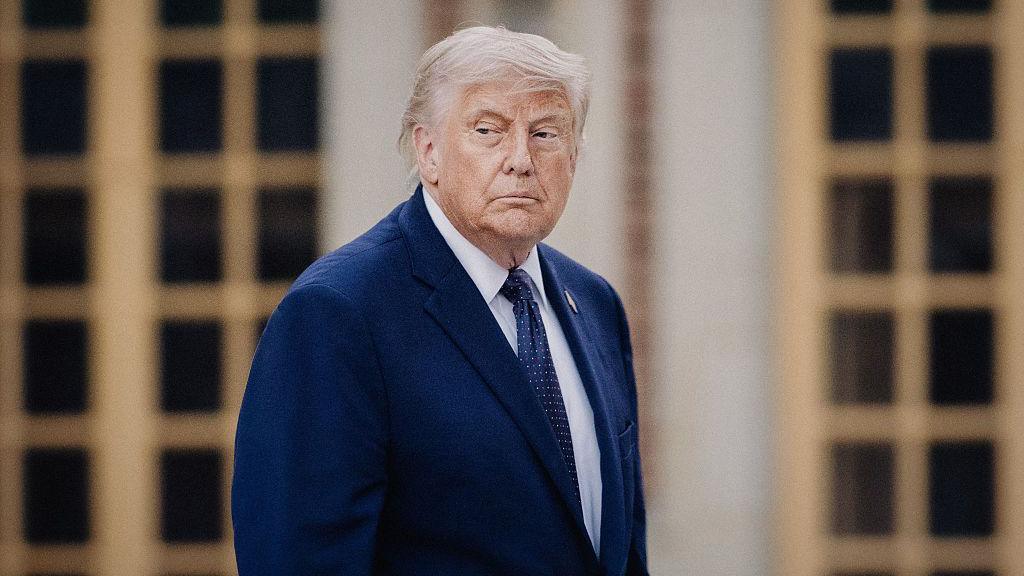
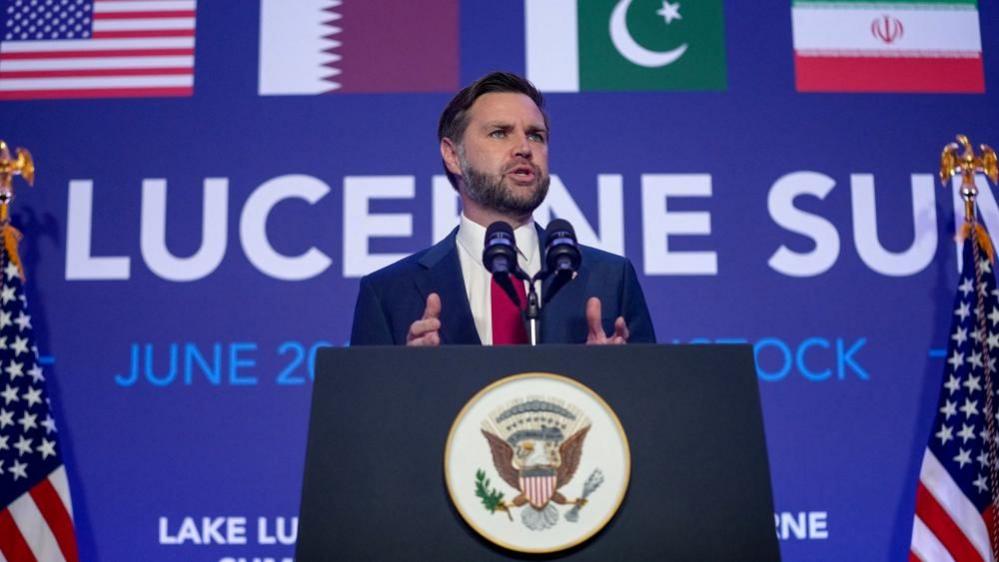
After a season of failed talks, the United States and Iran finally reached a memorandum of understanding that signals a pause in hostilities. Both leaders declare victory, underscoring the high stakes of the agreement for political legitimacy on each side.
Key provisions of the pact:
- Lift the U.S. blockade of Iranian shipping lanes and allow the Strait of Hormuz to open to international traffic.
- Disengage all Iranian naval vessels from the blockaded zone.
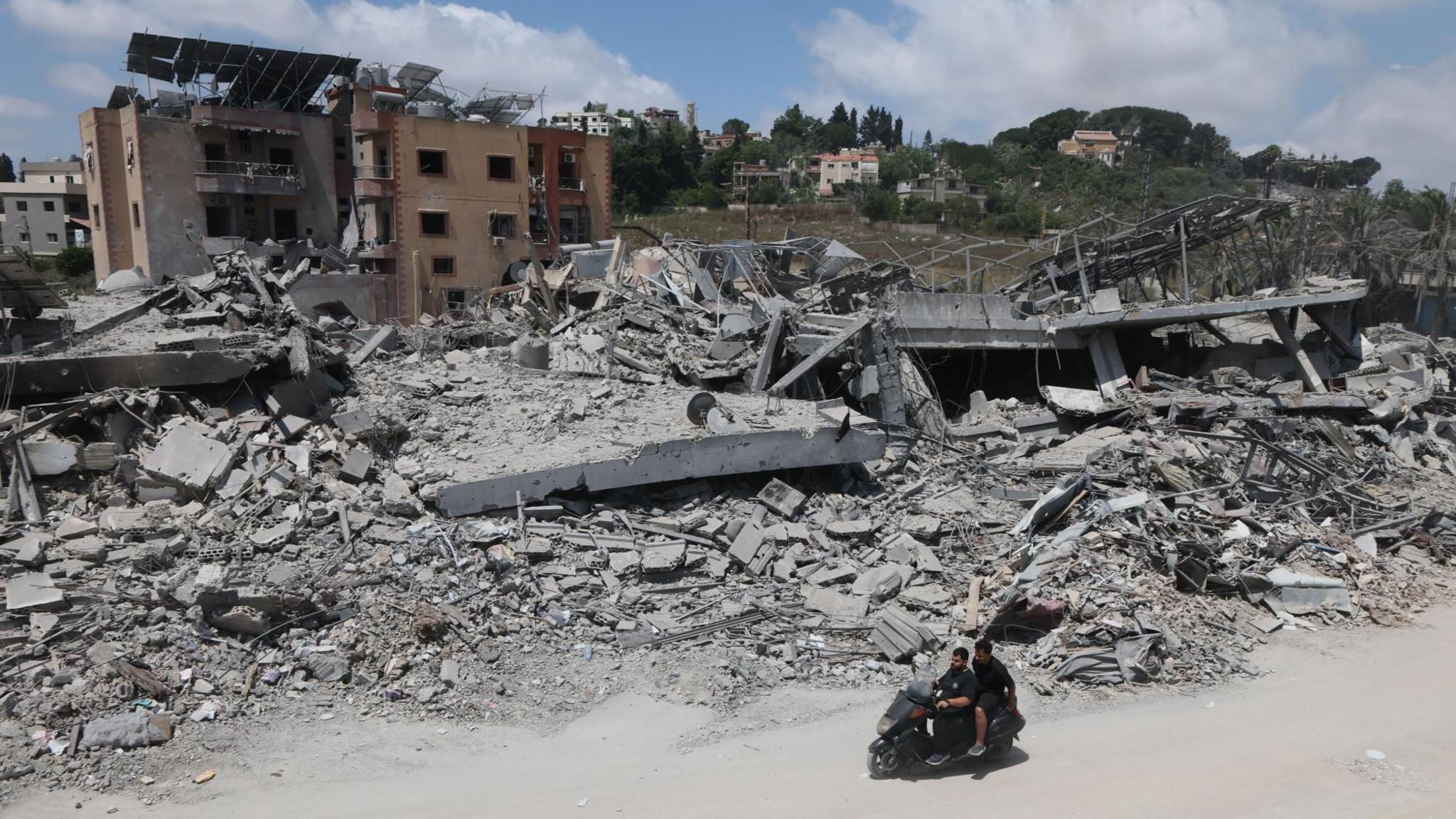
- Encourage an immediate and permanent cessation of military operations on all fronts, including incursion‑related actions in Lebanon.
- Initiate a framework for nuclear safeguards that limits Iran’s ability to develop a weapon.
While the deal eases pressure on the global economy and tampers Iran’s bankrupting economy, the end‑game for Lebanon remains uncertain. Israeli Prime Minister Benjamin Netanyahu continues to oppose halting the assault on Hezbollah, creating a potential rift that could derail the broader agreement.
Around the same time, Iran’s partner, Pakistan, has publicly asserted the deal’s ability to neutralise missile threats across the Arab Gulf. The UAE, Qatar and Saudi Arabia, all of whom suffer from Iranian missile incursions, view the pact as a relief, but their security arrangements will still be tested once the treaty is operational.
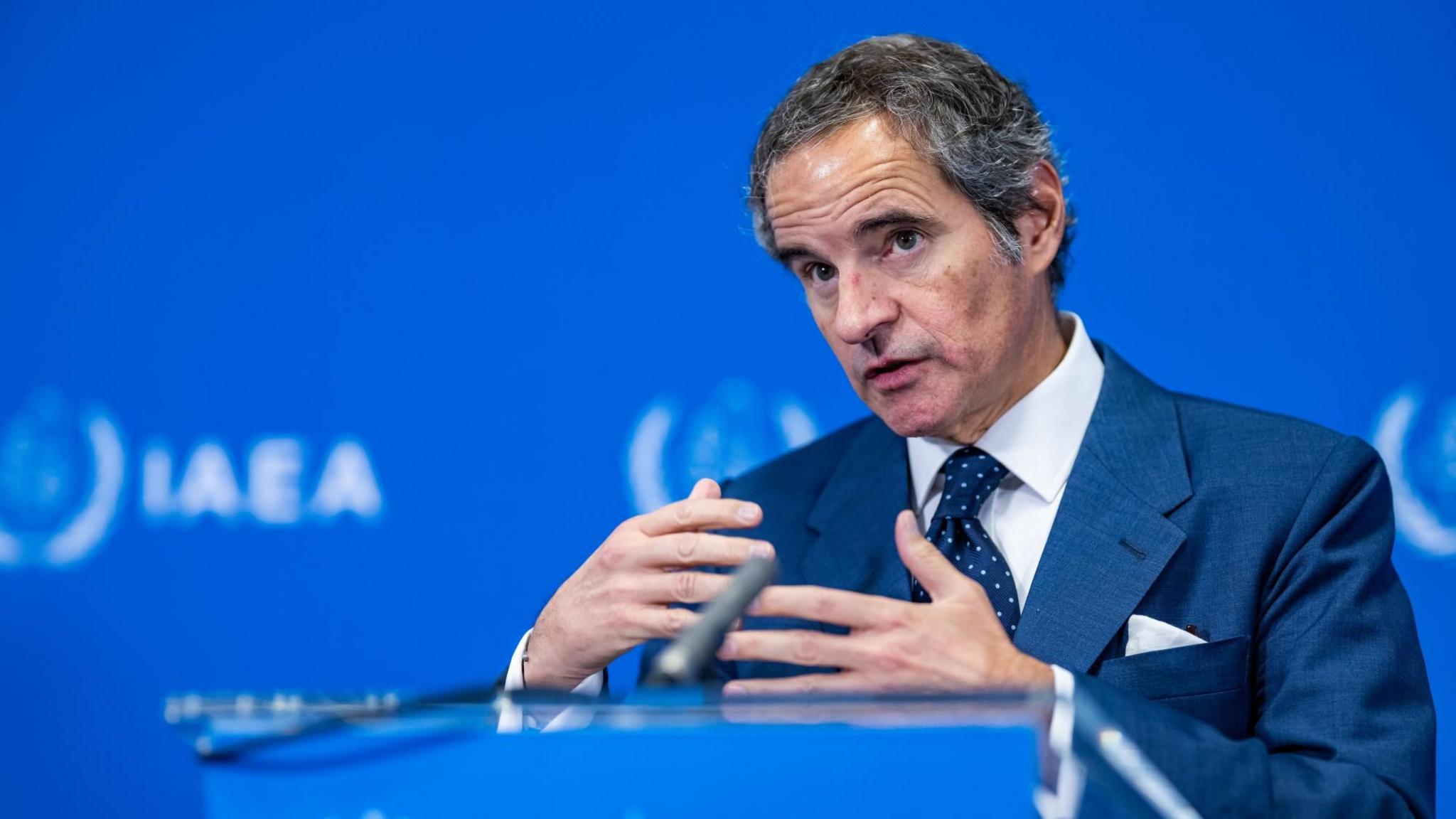
The most pressing outstanding question revolves around nuclear non‑proliferation. While Iranian state media hints at a mechanism being set up, the United States and Israel expect a robust discussion to follow the signing ceremony – scheduled to happen within the next few days – to finalize guarantees and oversight that would prevent an Iranian nuclear build‑up.
The path to signing the agreement is far from straightforward; the process has been riddled with dramatic stalemates and counter‑actions in the weeks preceding it. Nonetheless, the deal marks a significant reduction in uncertainty and provides a new avenue for negotiating long‑term stability in the Middle East.
For now, the temporary lift of conflict and the potential economic relief are tangible benefits, while the deeper issues of military disengagement and nuclear security continue to await resolution.
— Civilitas Global, 15 June 2026