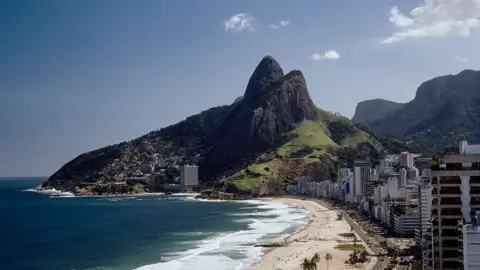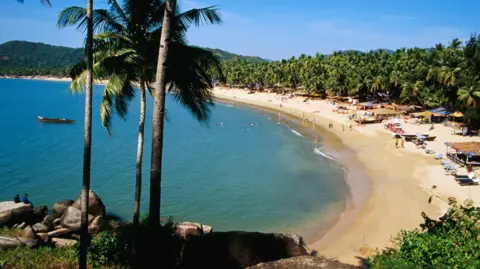
It is just past noon at the crescent-shaped Palolem beach on the southern tip of Goa's long, sandy coastline. The sun is blinding hot, but that has not deterred the tourist hordes from splashing about in the ocean.
The beachside shacks and cheap backpacker hotels hugging the bay in the state often dubbed India's party capital are full with tourists. However, what's different here from some years ago, is that the Europeans and Russians who once thronged Palolem and other beach villages of Goa are missing.
The crowd is almost all local, a reflection of the diminishing appeal of this tiny coastal state among foreign tourists. The abundance of domestic visitors, on the other hand, shows that its lure has grown among people from far-flung corners of the country.
Numbers released by Goa's tourism department underscore these trends. Nearly 900,000 foreigners visited the state in 2017; by 2025, the number had fallen to around half a million. Meanwhile, the number of domestic tourists increased from 6.8 million in 2016 to more than 10 million last year.
The state's tourism department recently mentioned that the global geopolitical situation has been affecting overseas flows. We have to remain both pessimistic and optimistic while planning ahead, Rohan Khaunte, Goa's tourism minister, stated.
But the decline in numbers predates the recent conflict, raising the question: why are foreign visitors now turning away? From rising travel costs post-Covid to the allure of cheaper destinations like Turkey and Sri Lanka, economic factors are significant in this shift.
Visitors express frustrations about more cumbersome visa procedures and increased fees, alongside rising costs for flights due to global instability. Areas neighboring Goa—such as Vietnam—are becoming more appealing due to lower prices and better travel conveniences.
Local hotelier Shervyn Lobo noted a 10% drop in overseas visitor footfall at his property, showing the broader economic implications. Foreign guests typically spend more and engage with local businesses differently compared to domestic tourists.
While Goa continues to appeal to domestic tourists, the state government realizes it must adapt to lure foreign visitors back. With promotional efforts aimed at markets in Poland and Scandinavia, Goa faces tougher competition than ever. The call for action is clear; without significant changes to its tourism strategy and infrastructure, Goa may have to fight harder to reclaim its status as a top international destination.