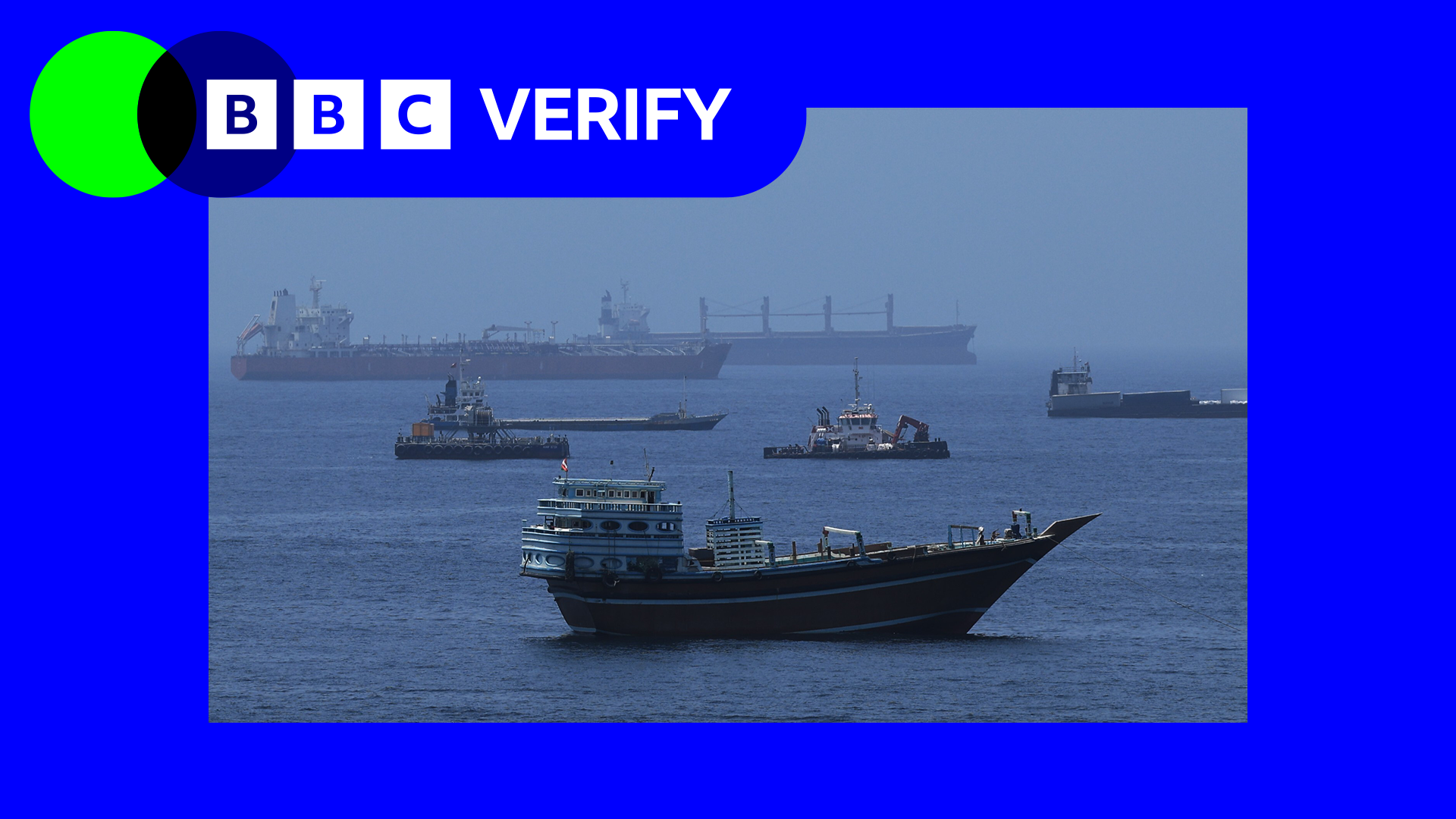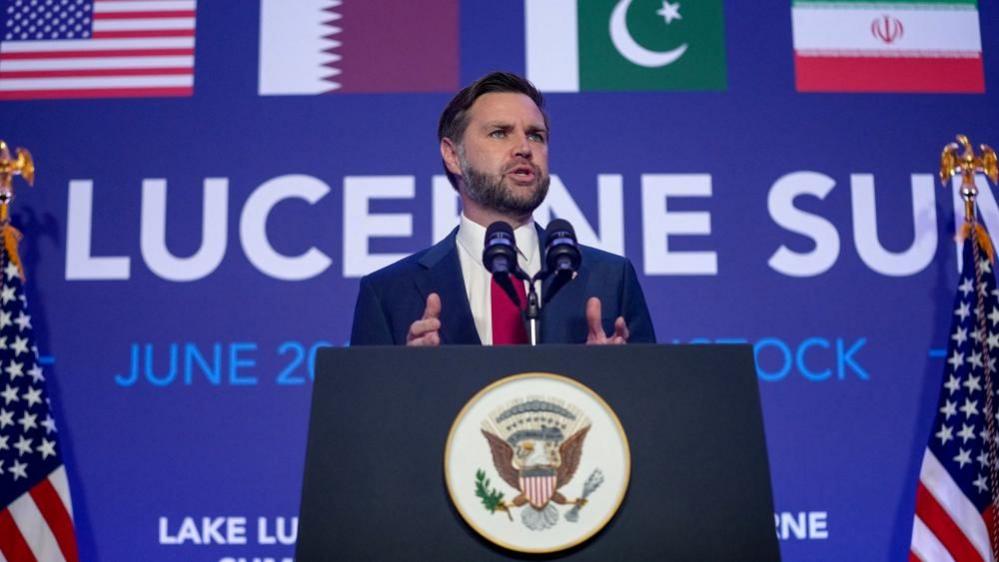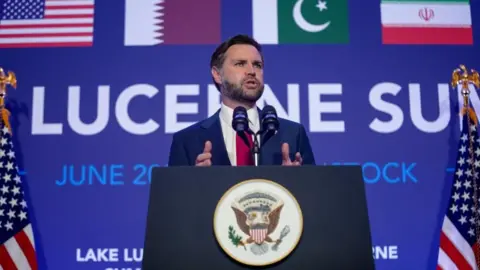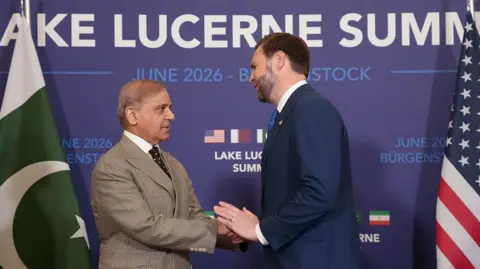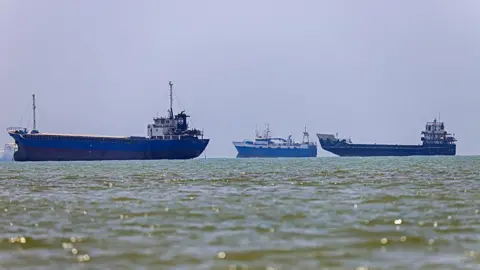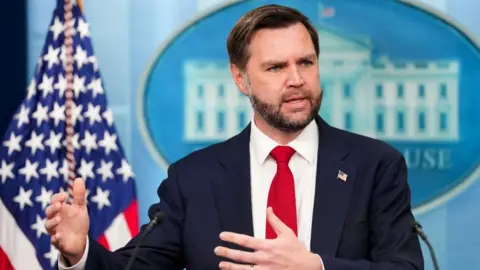
After a diplomatic team led by Vice-President JD Vance attempted but failed to reach a negotiated agreement to end the U.S. conflict with Iran, President Donald Trump had to decide his next move. He announced his decision on social media, stating that the U.S. would impose a naval blockade of Iran, declaring, 'No one who pays an illegal toll will have safe passage on the high seas.'
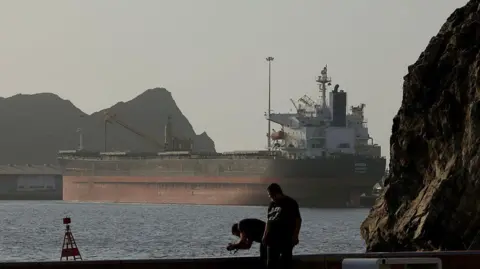
Trump's rhetoric included a commitment to continue clearing mines in the Strait of Hormuz to ensure safe passage for allied shipping, emphasizing that the U.S. military was 'locked and loaded' for potential strikes against Iran at an 'appropriate moment.'
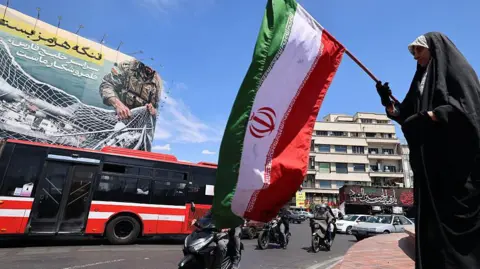
While progress was made during tense negotiations in Islamabad, Iran refused to abandon its nuclear ambitions, leaving many questions unanswered about the future of U.S.-Iran relations. Trump's new stance indicates a shift in strategy but also highlights the growing risks associated with a military blockade.
Critics have raised concerns about the implications of this blockade. Questions arise regarding the risks to American naval vessels engaged in mine-clearing operations, under what criteria the U.S. would determine who has paid Iran, and how allies would respond to these challenges. Concerns about rising oil prices given Iran's crucial role in the oil market add to the complexity of this situation.
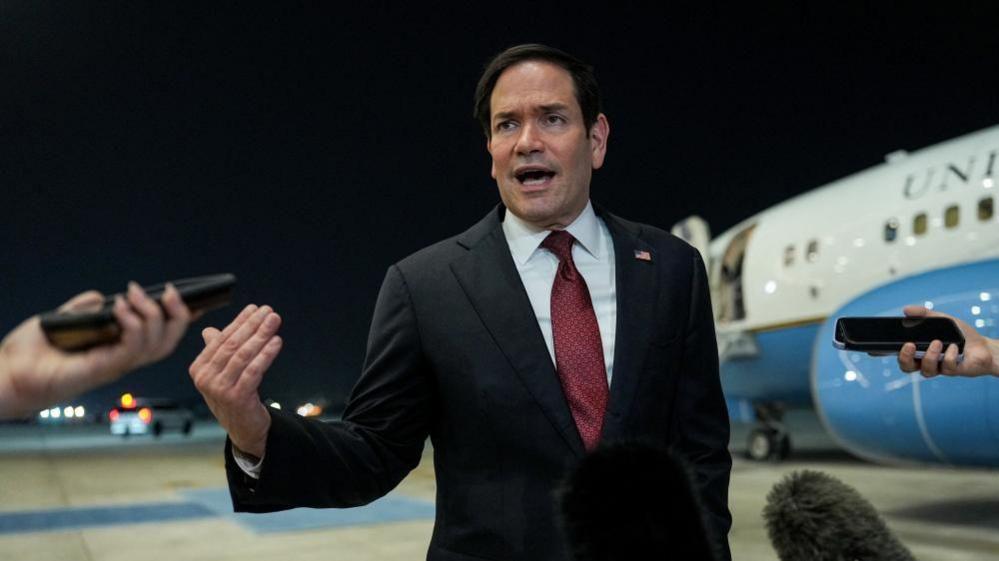
Despite the tensions, Senator Mark Warner expressed skepticism about how a blockade would compel Iran to comply with U.S. demands, while Republican lawmakers called for united action among allies. The dynamics in the region reflect a test of wills, with Iran's endurance against U.S. and Israeli actions versus Trump's willingness to endure the economic ramifications of continued military pressure.
As the conflict continues into its second month, both sides remain steadfast, with critical questions about the potential for an escalation in military engagement remaining unresolved. Trump's administration faces mounting pressure from both political opponents and a public wary of continued military interventions.
This uncertain geopolitical landscape signals that the situation in the Strait of Hormuz continues to pose significant challenges for U.S. foreign policy and global stability.