The women's category of Olympic sports will be limited to biological females from 2028.
The International Olympic Committee (IOC) states eligibility will be determined by a once-in-a-lifetime sex test, which will exclude transgender women and those with differences in sexual development (DSD) who have gone through male puberty from competing.
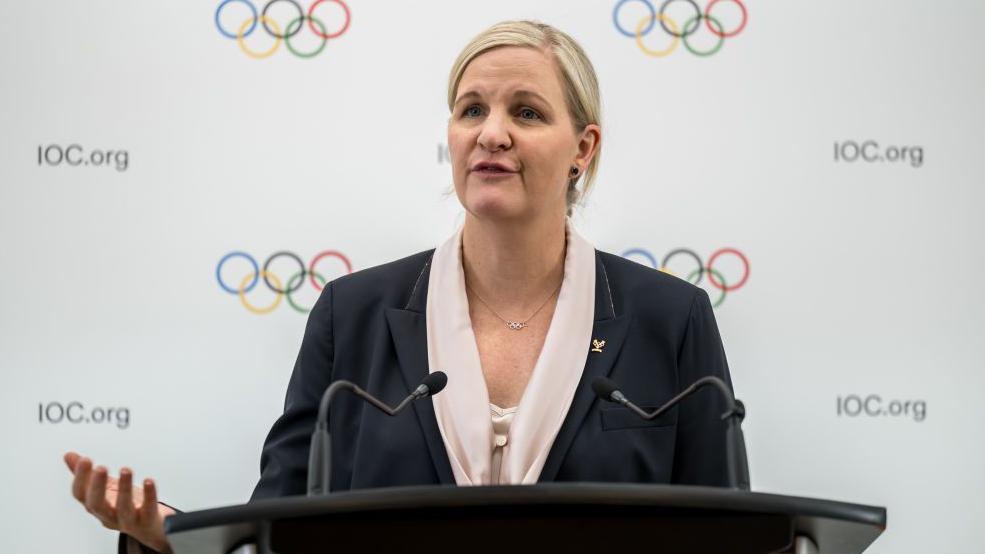
This new policy, taking effect at the Los Angeles Olympics, was emphasized by IOC president Kirsty Coventry, stating it was guided by medical expertise and fairness considerations. Coventry noted the importance of ensuring safety in sports where even the tiniest advantages count.
The eligibility will be tied to testing for the SRY gene, a key identifier of male physical characteristics, with the IOC indicating that this method is less intrusive compared to other testing methods.
Affected athletes who fail this test are still eligible to compete in any categories other than women's, including open categories and male events.
This policy marks a significant departure from the prior disallowed approach that let individual sports manage their own gender eligibility regulations. While some sports had instituted bans, others permitted transgender women to compete subject to testosterone suppression.
The IOC noted consultation with over 1,100 athletes and various medical experts leading to this resolution. However, the decision is met with mixed reactions. Advocacy groups express concerns over potential violations of inclusivity and human rights, while supporters herald it as a necessary measure to uphold the integrity of women's sports.
The ruling continues to stir tensions in the ongoing discussion regarding fairness, safety, and inclusion in sports competitions across gender identities, making it one of the most contentious issues in the sports arena today.