In brief
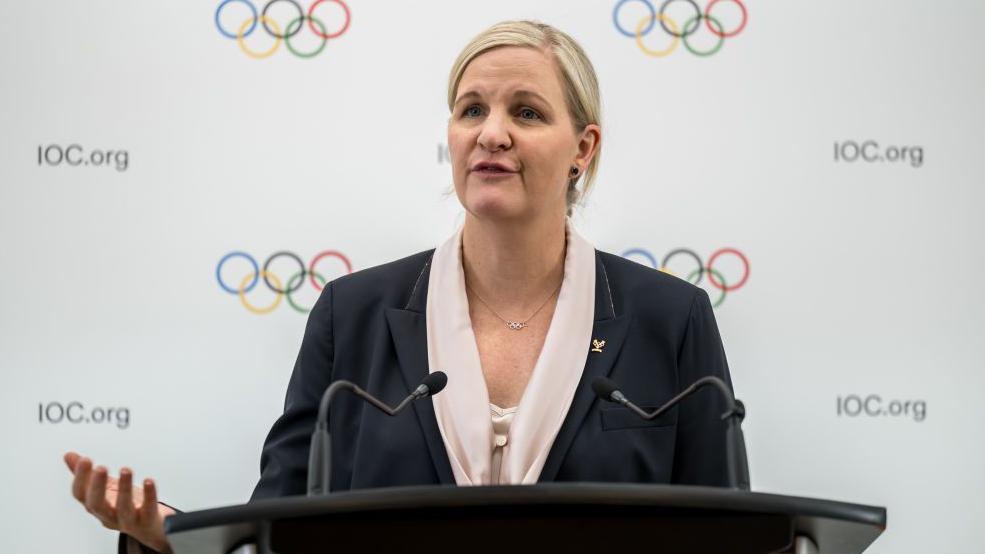
Effective from the 2028 Los Angeles Olympics, the International Olympic Committee (IOC) will enforce a policy restricting women's Olympic sports to biological females. Eligibility will hinge on a one-time screening for the SRY gene, disallowing transgender women and those with differences in sexual development who have undergone male puberty from competing. IOC President Kirsty Coventry emphasized that the decision was advised by medical experts to maintain fairness and safety in female athletic competitions.
The women's category of Olympic sports will be limited to biological females from 2028.The International Olympic Committee (IOC) says eligibility will be determined by a once-in-a-lifetime sex test, which would prevent transgender women and those with differences in sexual development (DSD) who have gone through male puberty from competing.It will take effect from the Los Angeles Olympics.IOC president Kirsty Coventry said the policy was led by medical experts.At the Olympic Games, even the smallest margins can be the difference between victory and defeat, she stated. So it is absolutely clear that it would not be fair for biological males to compete in the female category. In addition, in some sports it would simply not be safe.The IOC stated that eligibility for the female category would be determined by screening for the SRY gene, which indicates male characteristics. The screening will involve saliva, cheek swab, or blood samples, considered less intrusive than previous methods. Athletes who do not express the SRY gene will permanently meet eligibility criteria for women's competition.Athletes failing the test will remain eligible for male categories or any open category. Until now, the IOC allowed individual sports to govern sex eligibility regulations, leading to mixed policies across different sports.The IOC's decision reflects ongoing debates about fairness in women's sports, especially concerning transgender and DSD athletes. Advocates for women's sports argue that a ban is necessary to level the playing field. Critics, however, raise concerns about the invasiveness of gene testing and potential human rights violations.This policy change comes as the IOC reviews scientific consensus indicating that male sex confers performance advantages in competitive sports. Following extensive athlete consultations, it now aims for science-based eligibility rules to ensure safety and fairness in the female category.The policy does not apply to casual sports activities and emphasizes treating athletes with dignity and respect, ensuring a unique testing process in their lifetime that is accompanied by counseling and expert guidance.