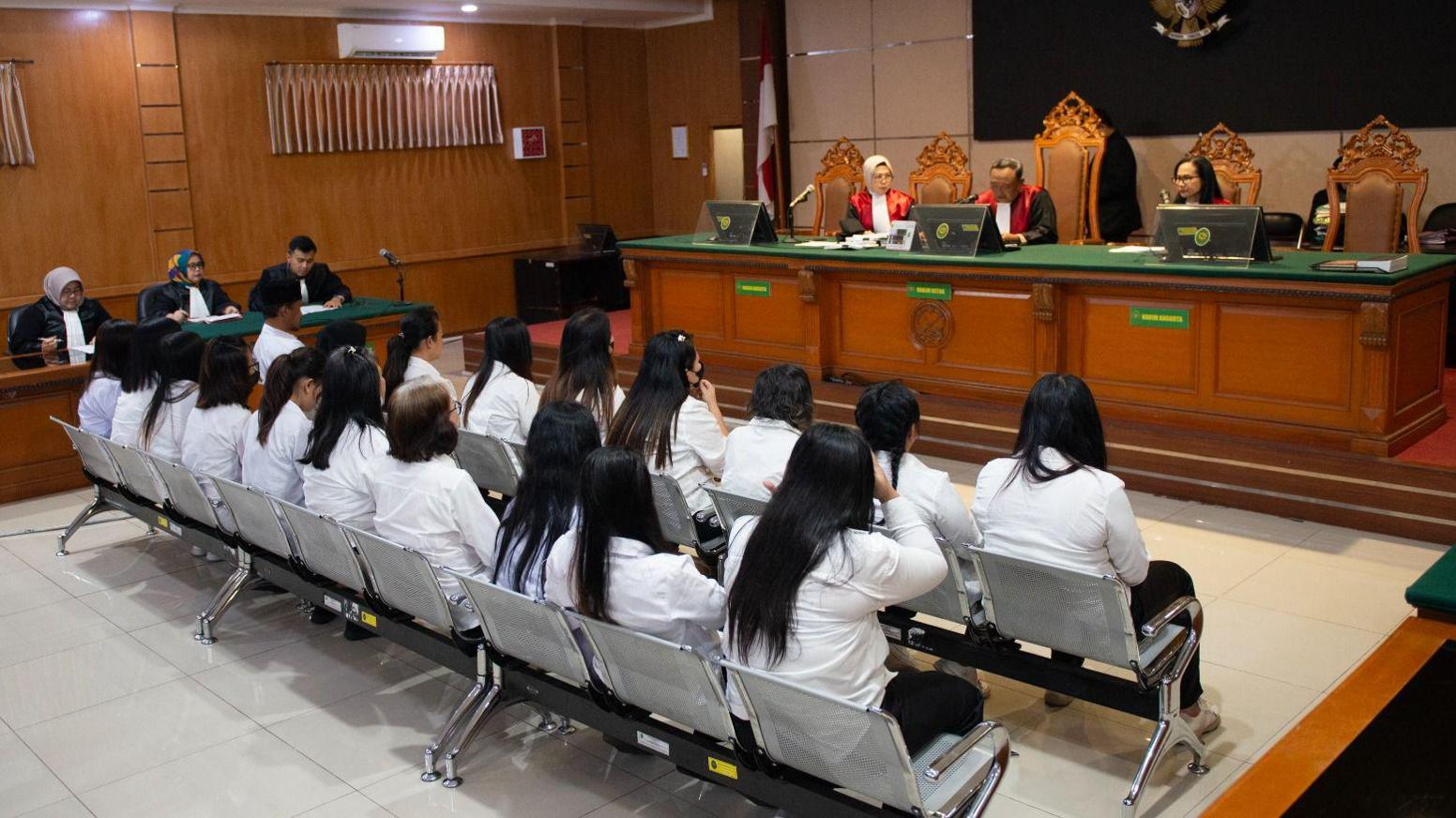
In July 2026 a West Java court convicted nineteen people for trafficking at least 34 infants from Indonesia for adoption in Singapore.
Most of the babies were destined for Singapore – a number of twelve already arrived there.
Adoptive parents in Singapore hope the court’s ruling will bring clarity, but the question remains: will the children stay with their new families or be sent back to Indonesia?
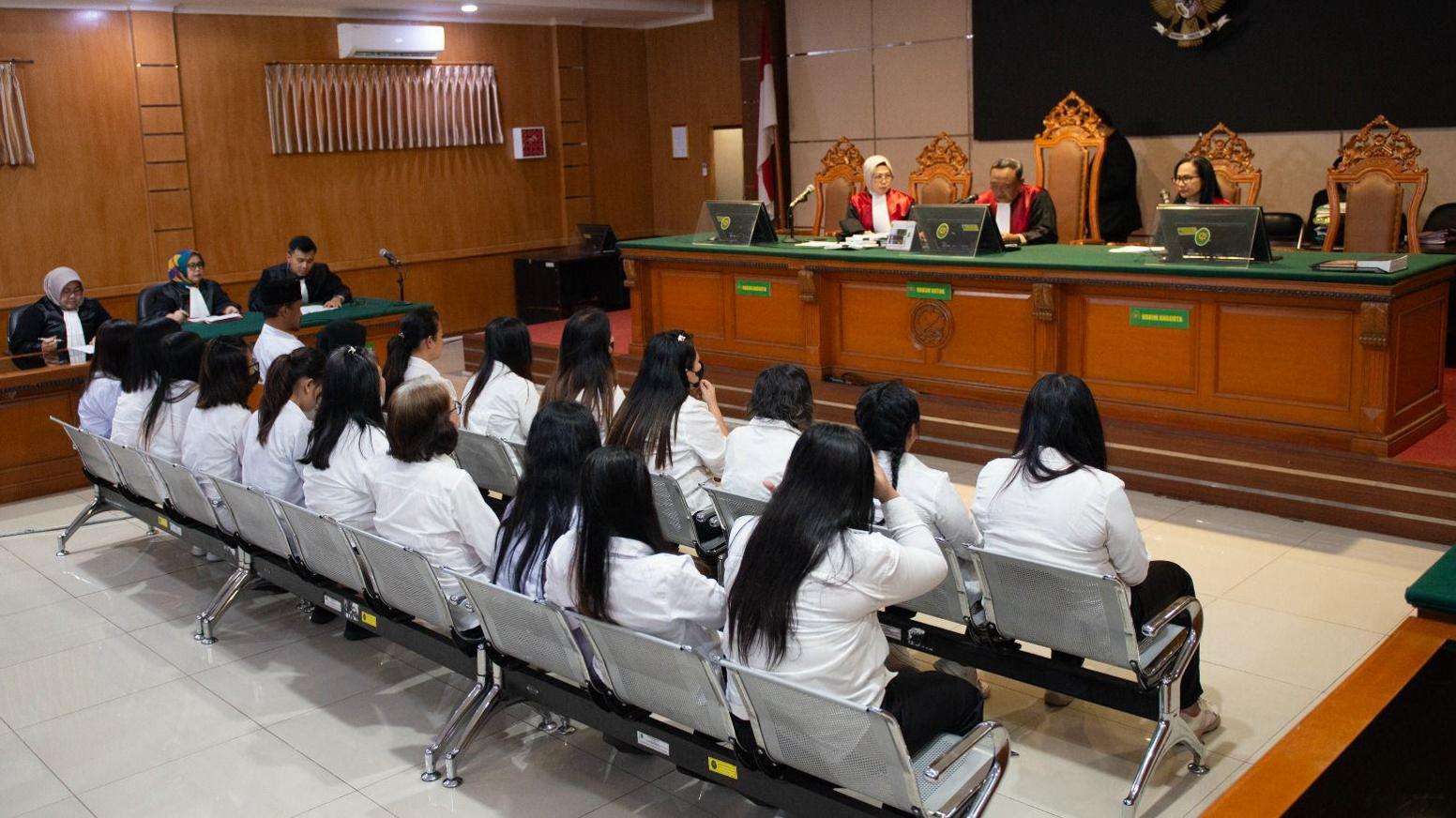
Indonesian officials argue the children should return, citing forged birth certificates and a lack of valid biological parents.
Meanwhile Singapore’s adoption system treats orders as final, and lawyers note that revoking an adoption has never been pursued.
Experts warning about psychological impact underline that switching a child’s home can damage mental well‑being, and that the children’s best interests must guide any decision.
With the verdict, Singapore could reclassify the babies as trafficking victims and extend protections to the adoptive parents as well.
Ultimately, the case remains a legal gray zone; stakeholders need a framework that balances the rights of all parties while prioritising the children’s welfare.