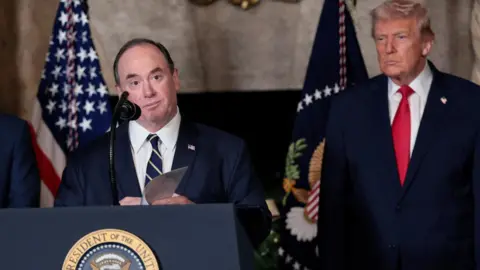
As tensions escalate between Iran and the United States, ordinary Iranians are bracing themselves for potential strikes on essential infrastructure. President Donald Trump's recent threat to bomb Iran's power plants and bridges unless the country opens the Strait of Hormuz has left many feeling vulnerable and anxious.
In a social media post filled with expletives, Trump declared, Tuesday will be Power Plant Day, and Bridge Day, all wrapped up in one, in Iran. There will be nothing like it!!! Iranian officials have scoffed at Trump's ultimatum, with a presidential aide dismissing it as an expression of "sheer desperation and anger."
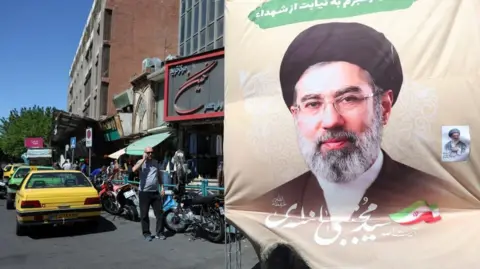
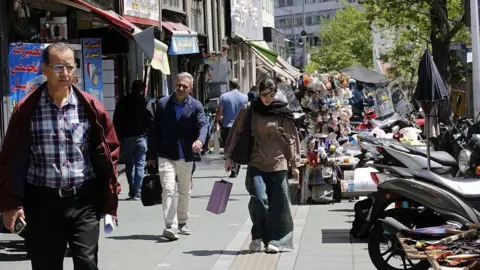
Despite a state-imposed internet blackout hindering communication, the BBC managed to interview several Iranians who voiced their concern about the impacts of military action on their daily lives. Many expressed feelings of helplessness, with one young man from Tehran stating, It feels like we're sinking deeper into a swamp. What can we do as ordinary people? We can't do anything. We can't stop him [Trump].
While Iranian state television showcases images of well-stocked grocery stores, reports are surfacing of people stockpiling essential supplies out of fear of a water supply disruption. Comments from citizens illustrate the stark contrast between official narratives and their lived reality – growing anxiety and a deepening economic crisis.
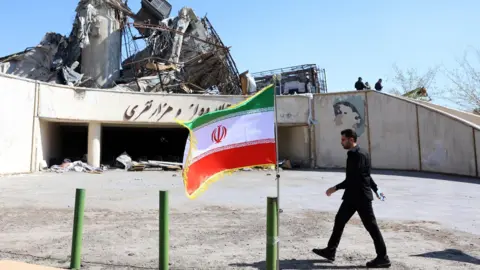
Many individuals are highlighting the detrimental effects that strikes on energy infrastructure could have. One man from Karaj, where recent bombing targeted a bridge under construction, articulated that such attacks would only result in profound misery for ordinary civilians.
The situation is compounded by deteriorating economic conditions. Residents are struggling to maintain normalcy in their daily lives with rising prices and fears of job losses amid the conflict. The average monthly salary in Iran, estimated between $200 and $300, contrasts sharply with the mounting costs of living and business operations.
Amidst this turmoil, internet access has become a premium commodity, with prices for data soaring as citizens seek any means to stay connected. Some are even risking imprisonment by using Starlink systems to bypass restrictions.
For many, the uncertainty about the future leads to mounting stress and mental health challenges, underscoring the human toll of geopolitical tensions. The looming deadline and threats from the U.S. government are amplifying feelings of dread and despair among the Iranian populace.