Israel‑Iran Showdown: Tehran Sees New Bargaining Power
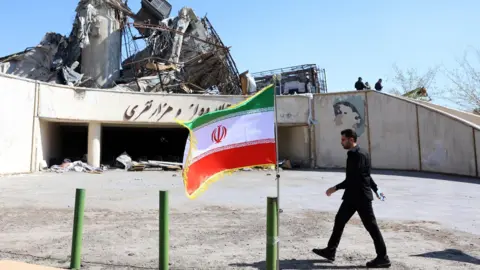
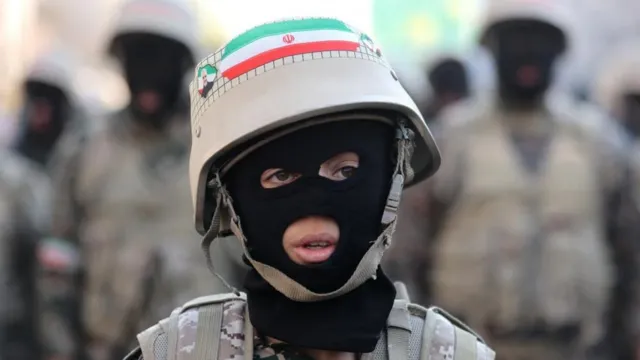
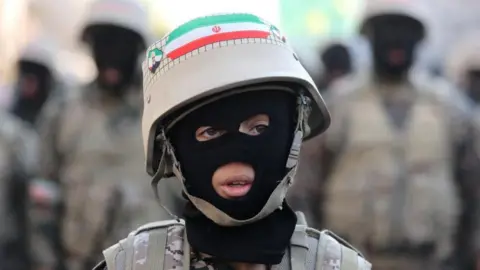
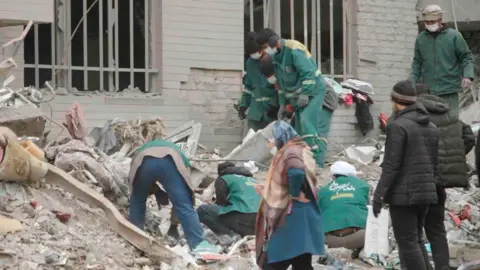
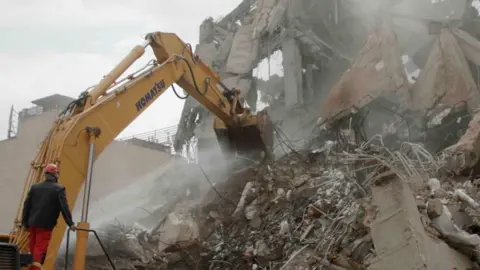
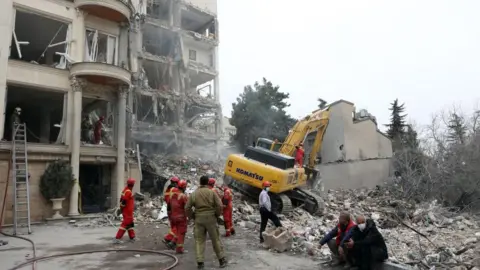
Israel’s repeated strikes on Iranian targets this week—after Tehran launched a missile at Tel Aviv—has brought the Middle East back into a direct conflict that has intensified the strategic contest between Washington and Tehran. The barrage marked Israel’s first strikes on Iran since the April cease‑fire, and it tied the conflict to the longer‑running hostilities between Israel and Hezbollah in Lebanon.
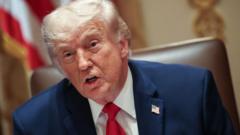
US President Donald Trump attempted to moderate the escalation, calling the Prime Minister Benjamin Netanyahu to say he would not wish for a counter‑strike. A few hours later, Israeli jets were reported to be on their way to Iran, indicating that the US’s message was either not fully absorbed or that the Israeli leadership decided that the risk of retaliation was too great to ignore. Trump’s brief statement—later described by some as a “blinking yellow light” for Moscow’s allies—was apart from the general strategy to keep the Strait of Hormuz open for grain shipments to aid West‑European energy security.
According to sources close to the US State Department, the Israeli and American armed forces coordinated on air routes and on the handling of returning missiles, a detail confirmed by IDF briefings. The United States, with the largest military buildup in the area since Iraq, supported surface‑to‑air intercepts that downed Iranian rockets that landed in Israel’s West Bank. Official statements say the operations were part of a “full coordination” effort with Israel’s Central Command.
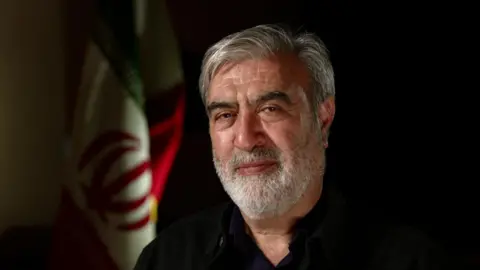
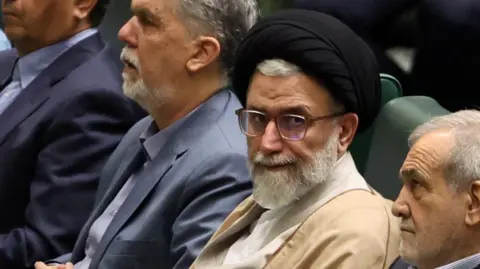
In the wake of the clash, Tehran’s leadership has issued public statements praising their “diplomacy and defense” as dual engines of national power. President Masoud Pezeshkian posted on social media that the team was “neither abandoning the field nor the negotiating table.” Analysts interpret the message as a public signal that sanctions relief and withdrawal of Iranian oil revenues are top priorities for any forthcoming US‑Iran agreement.
The timing is critical. With oil supplies threatened by the Iranian blockade of the Hormuz Strait, and with Americans already grappling with high prices, the probability that the president can win a foreground deal that both lifts sanctions and limits Israeli strikes has ebbed. Moreover, Iran’s ongoing engagement with the US through the Oldham system—concerned that a wider war would hurt the Iranian economy further—is considered a realistic precedent for any nation’s bargaining moves.
As the war‑heavy tension between Israel and Iran continues to unfurl, the consequences for the opposition‑democracy‑driven environment of the region are far‑reaching. The escalation could lead to further destabilisation, and a push for a new round of direct combat between the US and Iran, adding to the pressure on democratic voices across the Middle East.