Israel Launches Fresh Strikes on Lebanon Despite Trump Criticism
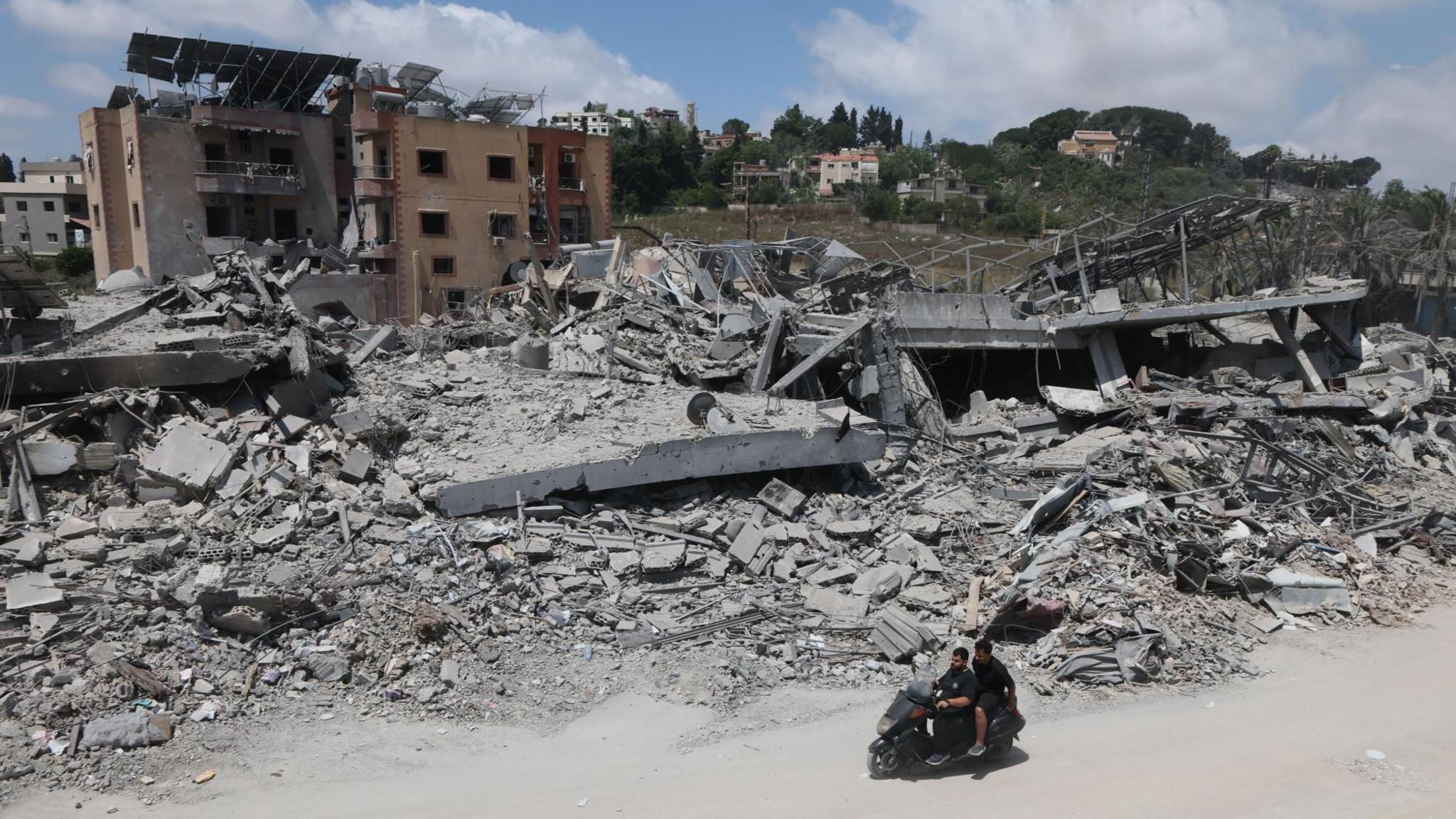
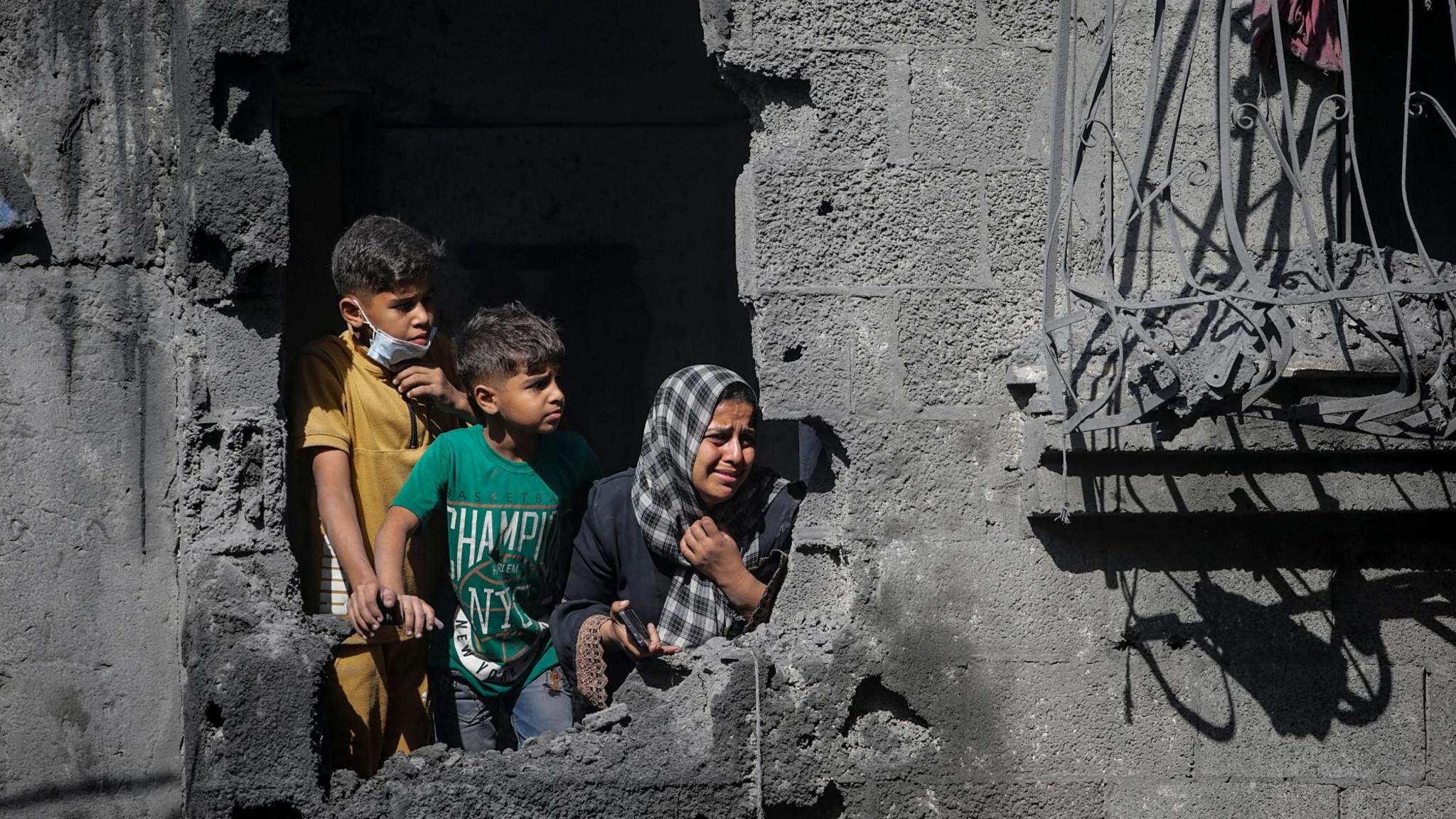
Israeli forces launched new air strikes in southern Lebanon, a move that drew sharp criticism from U.S. President Donald Trump. The flight operations targeted the Nabatieh Al‑Fawqa area and the outskirts of Kfar Tebnit, regions linked with the Iran‑backed Hezbollah militia.
The Israeli military has not issued a direct statement, but earlier comments indicate the strikes were aimed at dismantling fire‑power support for Hezbollah. The Israeli attack follows earlier confrontations, including an air strike on Beirut prompted by a cross‑border rocket barrage.
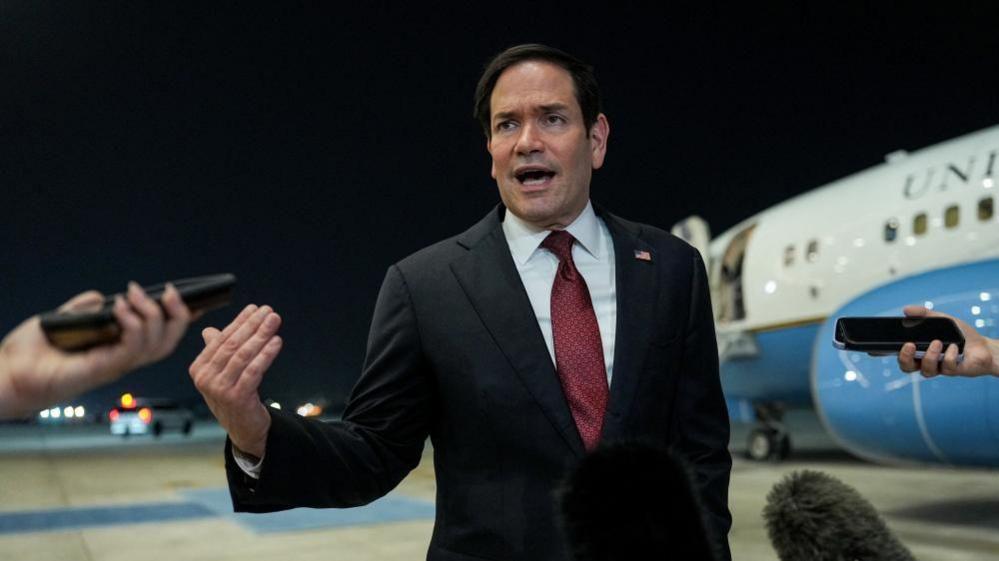
The text of a provisional US‑Iran agreement that seeks to quell regional conflict remains unreleased. A mediator states that Lebanon is a component of the deal, raising implications for future hostilities on Lebanese soil.
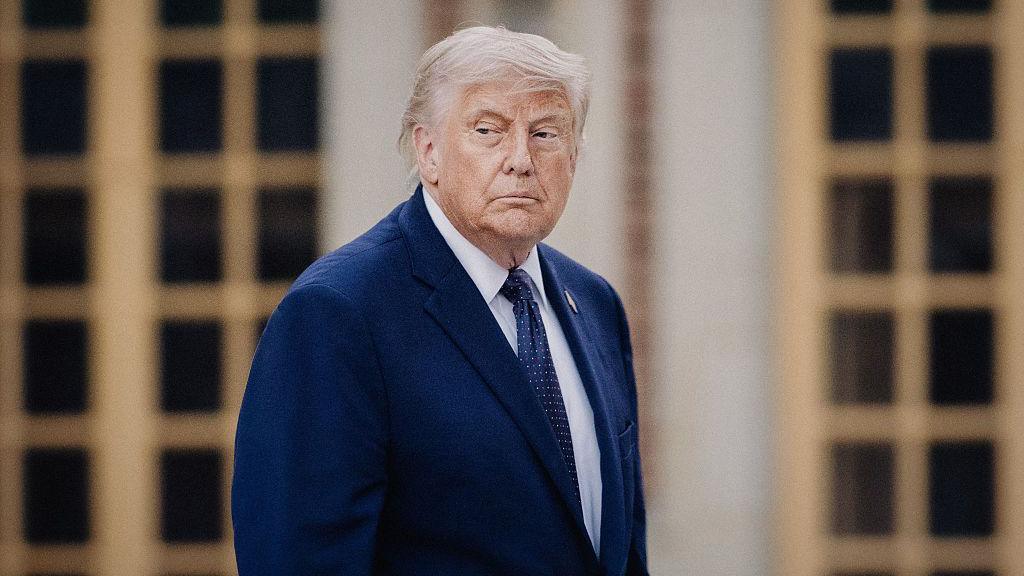
During a G7 summit in France, Trump urged Israeli Prime Minister Benjamin Netanyahu to exercise greater restraint, arguing that the state has been battling Hezbollah for too long and that many lives have been lost. He stressed the need for a swift resolution and pledged that, without his leadership, Israel would not have survived the current geopolitical climate.
Netanyahu responded by affirming that Israeli forces will remain in Lebanon “for as long as necessary” to safeguard national security. The statement came amid intensified tension following recent military engagements.
Iran’s foreign minister Abbas Araghchi warned that any continued Israeli military presence in Lebanon could be deemed a breach of the interim agreement with the United States, potentially igniting a broader conflict.
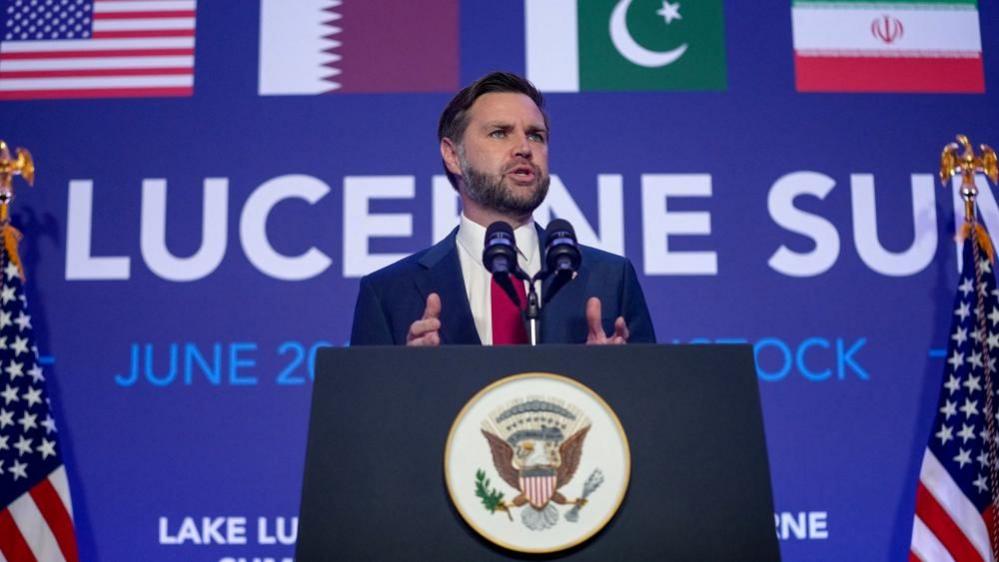
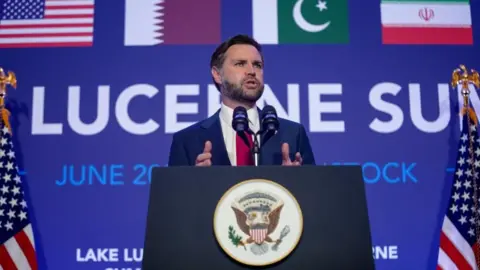
The agreement’s full contents have not been released, but it is expected to be signed in Swiss resort Bürgenstock after a series of diplomatic negotiations. Trump announced plans to hold a news conference where he would read the agreement “word by word,” promising transparency to the international community.
In his comments, Trump highlighted that the deal would prevent Iran from acquiring nuclear weapons and ensure free passage through the Strait of Hormuz, positioning it as a superior alternative to past negotiations.
The region’s dynamic remains fragile, with ongoing hostilities between Israel and Hezbollah continuing as diplomatic efforts seek a lasting and secure resolution for Lebanon’s populace.