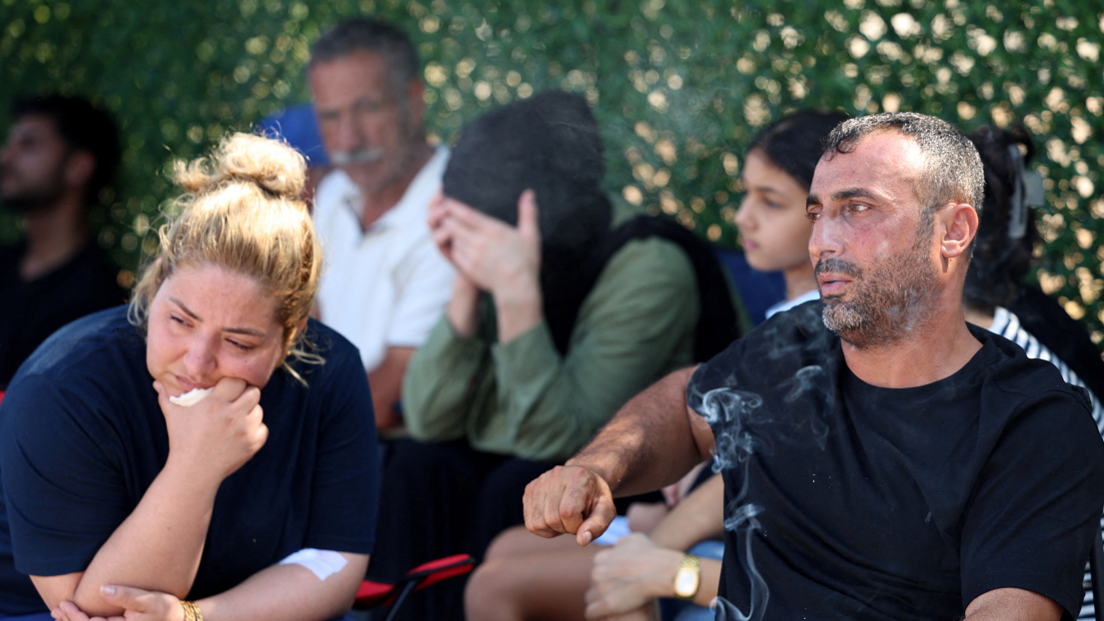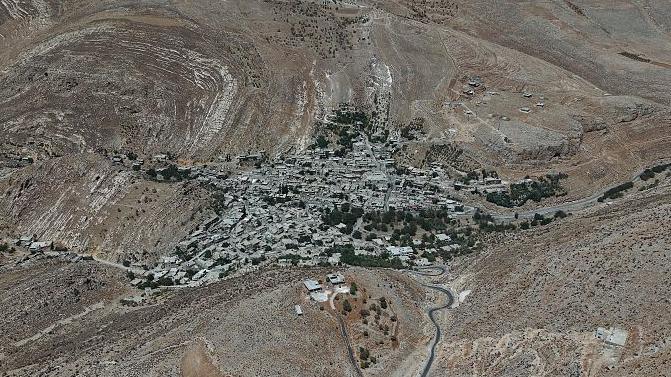
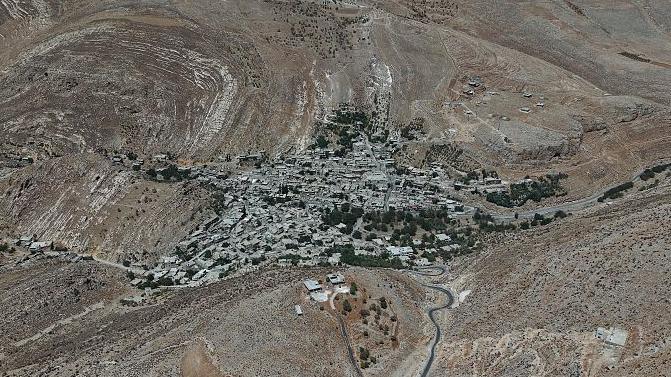
Israel’s drone strike near Damascus targeted a vehicle in the village of Beit Jinn, killing several civilians and leaving more wounded.
Syria’s foreign ministry condemned the raid, calling it a blatant breach of the country’s sovereignty and a violation of international law.
In a post on X, the Israeli military said the target was a terrorist “in the final stages” of preparing attacks that posed an immediate threat to soldiers.
Israel’s recent attack on a military airbase close to the Turkish border added to the growing tensions in the region. The U.S. issued a rare rebuke, labeling the operation an “unnecessary escalation that does not advance regional stability.”
U.S. Ambassador to Turkey Tom Barrack suggested the strike was a tactic to lure Turkish forces into conflict ahead of Israeli elections, remarks that Israel’s far‑right defence minister Israel Katz dismissed as “full of inaccuracies.” Katz asserted the operation was based on “clear intelligence information about Turkey’s intentions.”
Following Tuesday’s strikes on the Abu al‑Duhur airbase, Israeli Prime Minister Benjamin Netanyahu’s office noted that “Israel and Syria agreed to a status quo in security matters, which Syria was on the verge of breaching by permitting Turkish troops to deploy at an airbase near Aleppo.”
The Abu al‑Duhur military airbase has been inactive since 2013, having been seized by rebel forces after the 2024 overthrow of Bashar al‑Assad. Israel occupies parts of southwest Syria taken after the regime’s fall.
Syria has been rebuilding its military facilities, while Turkey’s support has continued since the overthrow of Assad. Meanwhile, the new Syrian leadership under President Al‑Sharaa has been forging closer ties with the West, especially the U.S., and visited the White House in November 2025, becoming the first Syrian leader to do so.