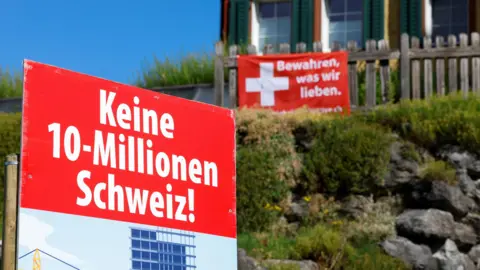
Swiss Voters Reject 10‑Million Population Cap Amid Divisive Debate
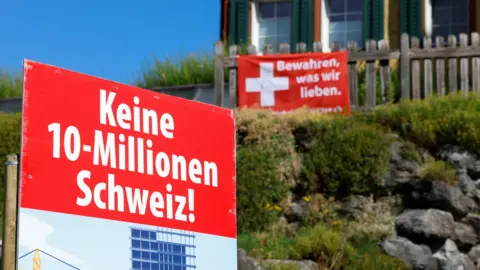
Swiss citizens voted against a proposal to cap the country’s population at 10 million. The proposal, advanced by the right‑wing Swiss People's Party, finished in a 55‑to‑45 split against according to early results.
The cap was promoted as a solution to growing pressure on housing, transport and the environment. Proponents believed fewer people would ease resource strain and improve living conditions. Critics argued the move would undermine free movement of people across the European Union, a key part of Switzerland’s free‑movement agreement.
Switzerland’s population has risen from 7.3 million in 2002 to about 9.1 million today, with nearly 27% of residents being Swiss‑born outside the country. The referendum highlighted the tension between a stable, managed growth model and the benefits of an open labour market, especially in sectors such as tourism, medicine and care homes.
Business leaders worried about potential loss of access to the EU’s single market. Over half of Swiss products are exported to the EU, and the population cap would have forced the end of the free‑movement agreement, thus jeopardising economic ties and potentially isolating the country in a turbulent global environment.
Swiss direct democracy means any major change requires a nationwide ballot. Habitually, campaigns collect 100,000 signatures to trigger a referendum. The 10‑million cut proposal met heavy opposition on both sides of the debate.
While the outcome might appear defensive on immigration, it hints at broader uncertainty in Switzerland’s global positioning, especially as neighbours in Europe increase military spending and pursue closer security cooperation.
For more updates, watch the official Swiss election coverage or follow the BBC News App on your smartphone.