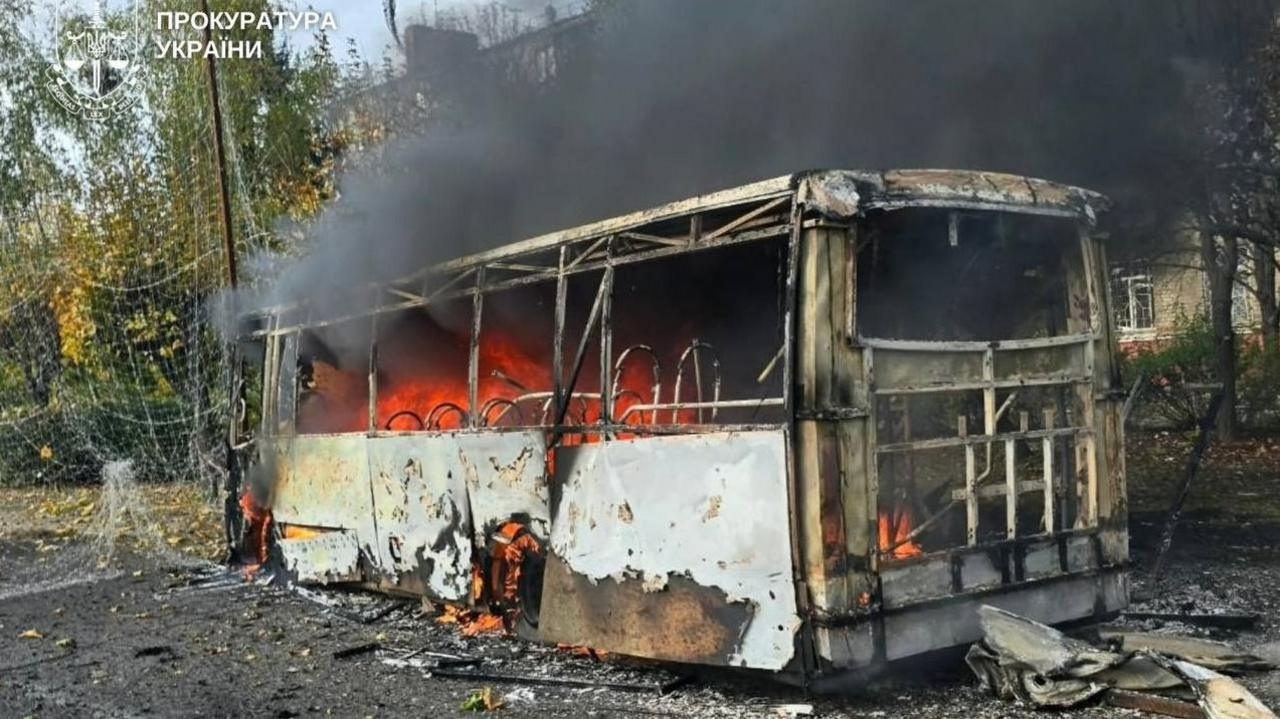
When Russia ramps up its strikes on Kyiv’s critical infrastructure, the city’s residents face growing worry that power and heat will fail during the coming cold season. In response, several residents are choosing to leave the capital for quieter, less targeted areas.
Kyiv native Olena Konoplia is one such citizen. After weeks of searching, she settled on a modest cottage in a rural community two hours from the capital, hoping that the absence of factories, warehouses and railway lines would lower her risk of becoming a target.
"I decided the better option will be a little village without any factories, any warehouses and any railway stations," Konoplia told the BBC. The decision mirrors an expanding trend of civilians relocating to avoid the focus of Russia’s artillery and drone attacks.
Russia’s repeated strikes on Ukraine’s power grid have already left many households without electricity and consequently, without heating. Residents are now braced for a winter with prolonged sub‑zero temperatures, which could prove deadly without reliable power.
For Konoplia and many others, the move is not simply about escaping the immediate danger. It also reflects a strategic recalibration: choosing a life that offers less visibility to hostile forces, while still keeping proximity to the heart of the conflict.