The winter that fell over Kyiv was the coldest it has seen in years, a freeze that weighed heavily on residents already reeling from Russia’s intensified attacks. With heating systems frequently knocked out by supply disruptions, many families endured sub‑zero temperatures for weeks at a time.
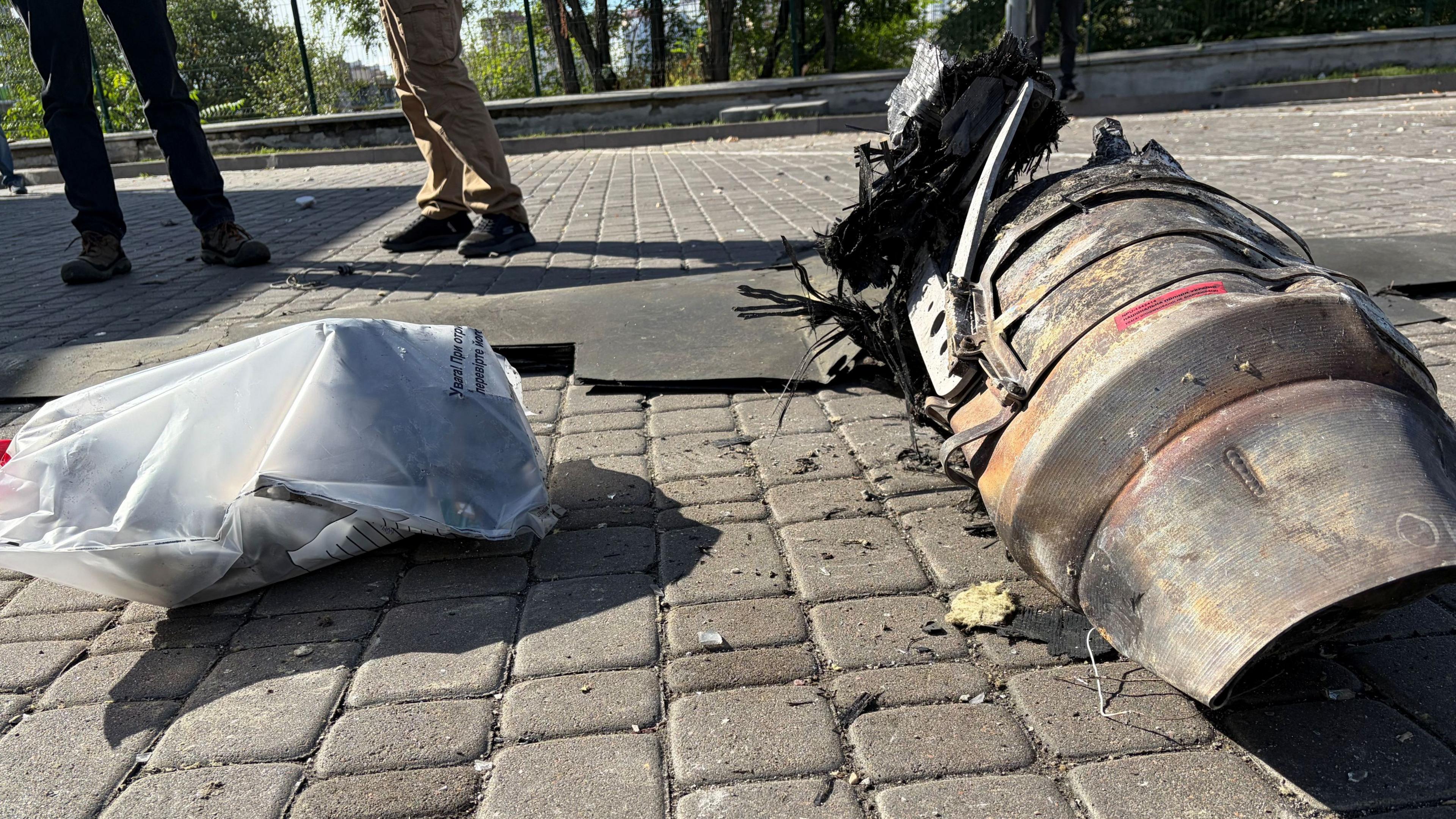
"It was a very difficult winter last year in Kyiv," says Mariia Shostak, mother of two. Now, after the city has been buried in 24‑hour drone and missile raids, she has packed her children and is planning to spend the next winter in Egypt’s Red Sea town of Hurghada. The warmth and affordability of the trip offer a stark alternative to Kyiv’s relentless cold and danger.
Other families are turning to rural retreats. Olena Konoplia, who had been living in a high‑rise apartment block, chose a cottage two hours outside the capital, far from factories, bridges and railways that have become prime targets. With gas‑powered heaters and a fire‑wood reserve, she hopes to shield her children from the sirens and the heatshattering blasts that now echo through the streets.
Police and city officials have offered vulnerable people—particularly the elderly and families with small children—to stay in converted sanatoriums and other communal shelters located in Kyiv’s forested outskirts. Meanwhile, a network of 15 semi‑self‑sufficient power plants has been erected in fortified bunkers to reduce blackouts. Yet shortages in supermarkets and sporadic power cuts keep families on edge.
According to a September survey by Gradus research, 40% of Ukrainians said they were considering relocating if living conditions worsened, while 25% remained undecided. Evgeniya Blyznyuk, founder of Gradus, notes that most people will postpone moves until the situation turns impossible to endure.
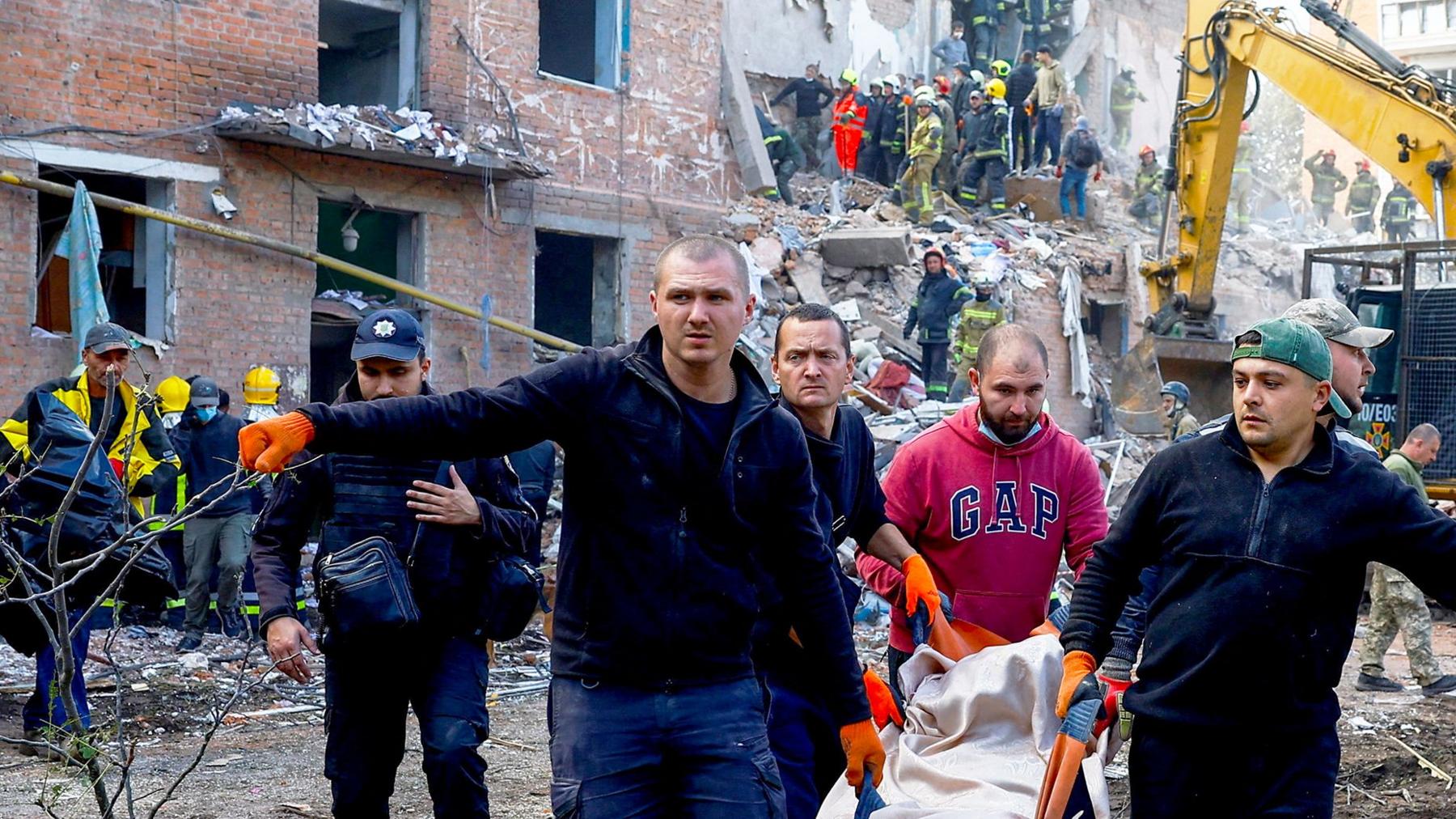
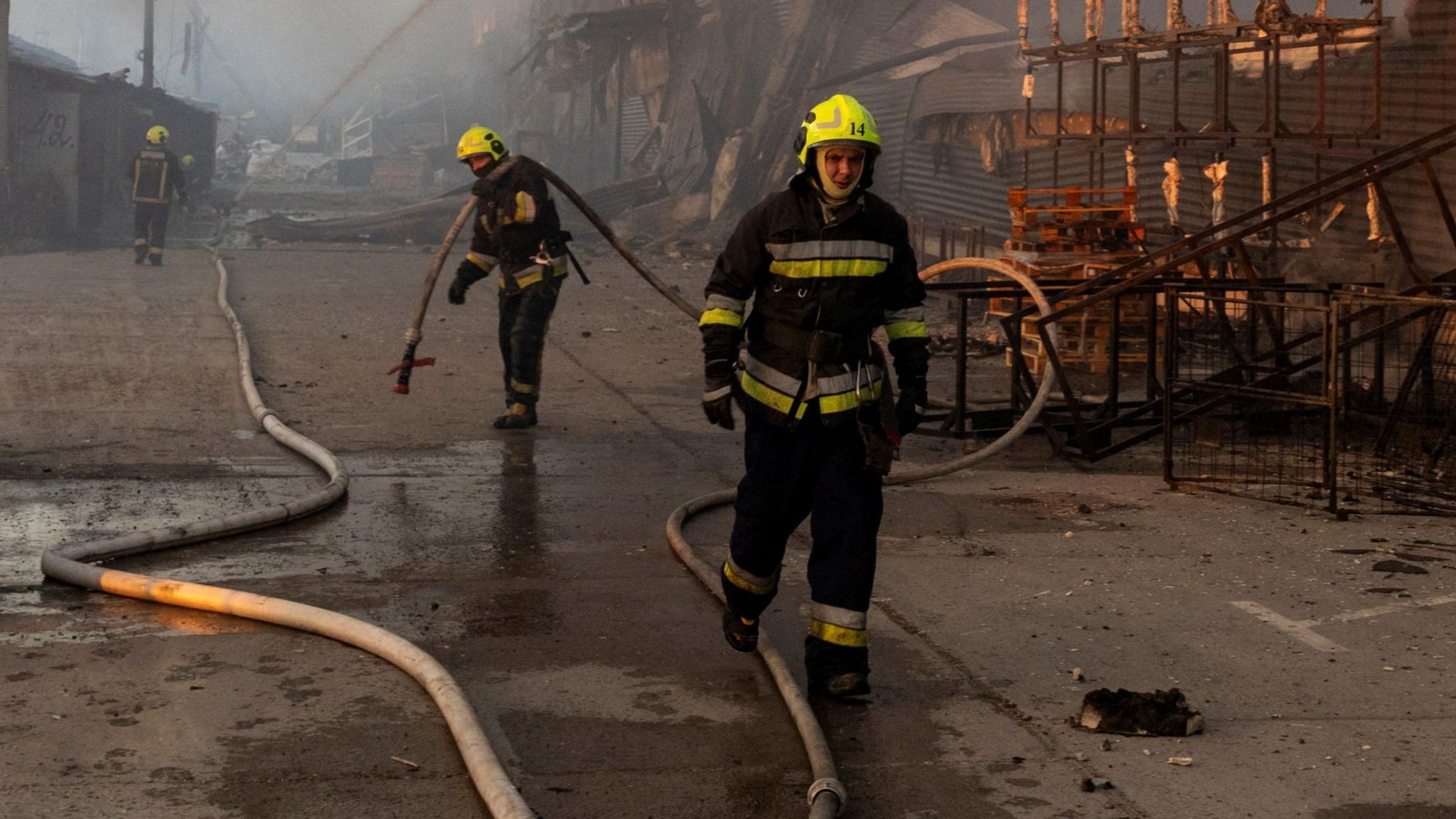
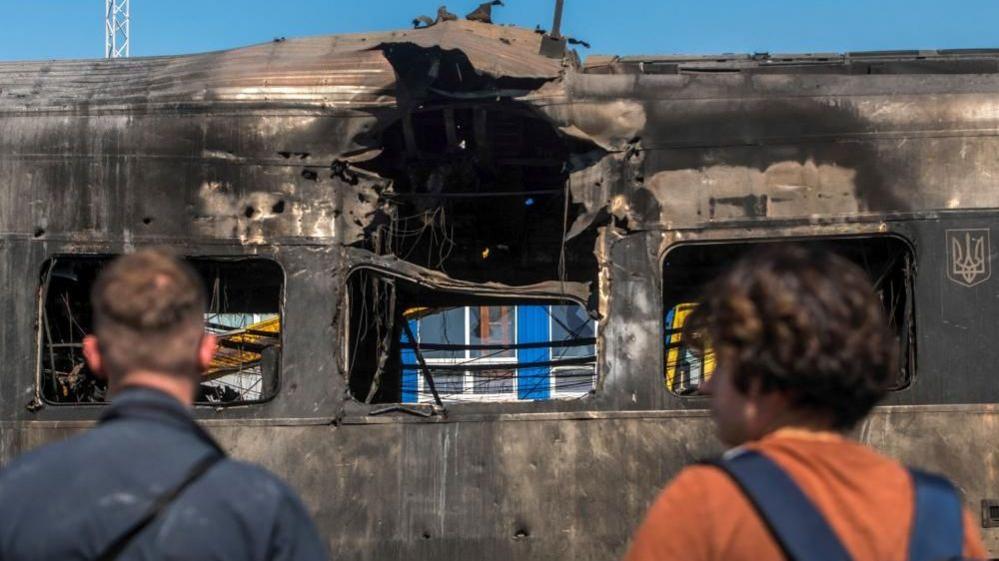
In the face of continued mortar attacks on temples, schools, petrol stations and bridges, fear has taken root in the capital’s streets. Families like Mariia’s and Iryna’s illustrate a growing trend toward self‑preservation and a higher tolerance for uncertainty as the war presses in and the weather turns unforgiving. For now, Kyivites do their best to survive another harsh winter—hoping that the peace and warmth of the countryside and distant shores offer a key to a safer future.