'Nine Months After Ceasefire, Gaza Still Under Fire'
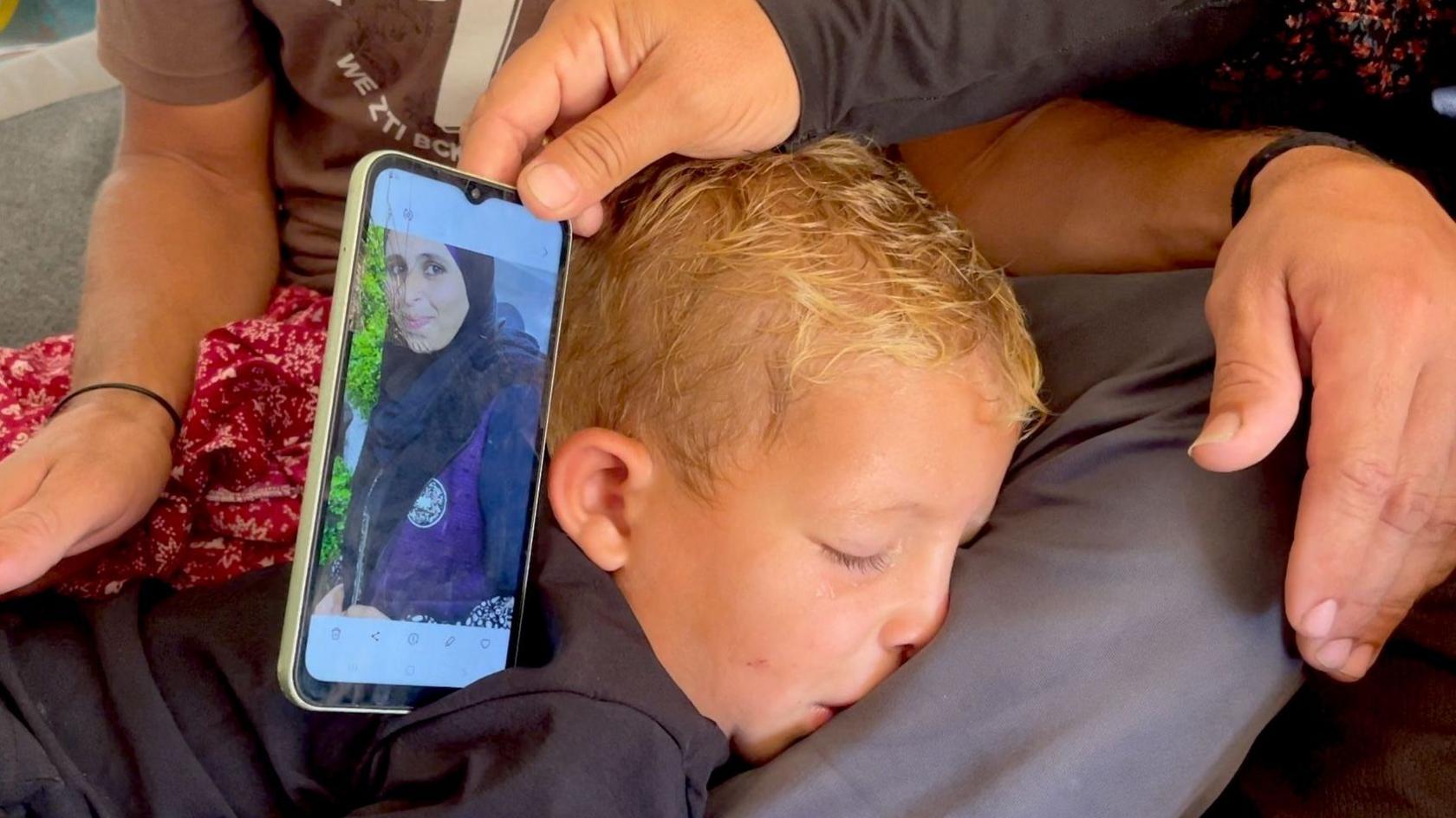
\In a tent in central Gaza on a quiet morning, 31‑year‑old Fida al‑Toutah was suddenly struck by a gunshot. Her son Ezz weeps and says the blast came while her hands combed his daughter’s hair. Fida was the fourth member of the family lost—her brother Ibrahim, her sister, and a younger nephew—all since the war began.
\More than 1,400 Palestinians have died from Israeli attacks since the ceasefire went into force on 10 October, according to Gaza’s Hamas‑run health ministry, whose figures the United Nations regards as reliable. Despite the halt of the large‑scale bombardment that had paused in the first weeks of the ceasefire, Israel reports ongoing strikes aimed at Hamas operatives and posts daily death tolls from areas within its control.
\Fida’s brother Ibrahim described a volley of bullets piercing a thin tent, and later said he saw Israeli forces systemically target the area near the Yellow Line, the narrow strip where Israeli troops and Hamas territories touch. Families who have moved seven times report that safety is increasingly out of reach because space is scarce and the line remains a hotspot.
\Reconstruction projects promised in the 2025 peace deal have stalled; Gaza’s rebuilding has been impeded by Israel’s restrictions on material imports and a stalled political settlement. Amal Alabadla, once a resident of an apartment, now shelters her two sons in a rain‑seepage‑prone tent on the coast, expressing deep uncertainty about any future safety for her children.
\The ceasefire remains a complex promise: Israel links the withdrawal of its forces to the full disarmament of Hamas, while the latter demands the cessation of all aggression and a return of displaced families. As Gaza’s population now occupies less than forty percent of the strip for the long term, the region faces a dangerous squeeze of space, flooding risk, and persistent insecurity.
\For civilians who survive the daily uncertainty, life has become a fight for basic shelter, warmth, and nutrition, with little hope that the reconstruction and peace negotiations will translate into tangible change.
\ \
\