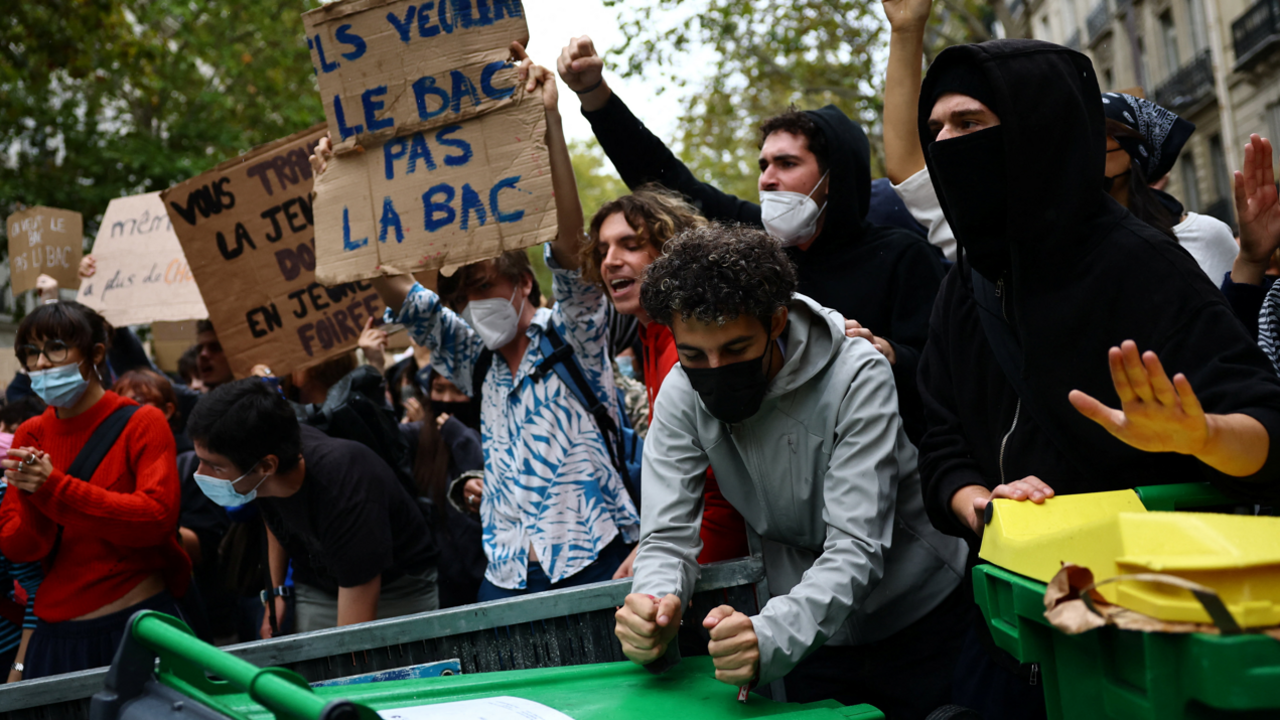
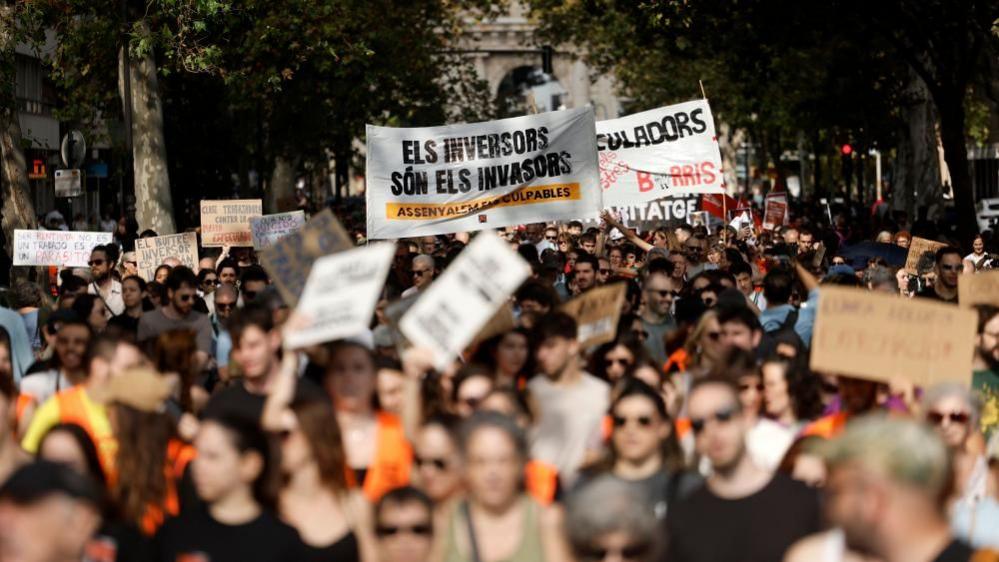
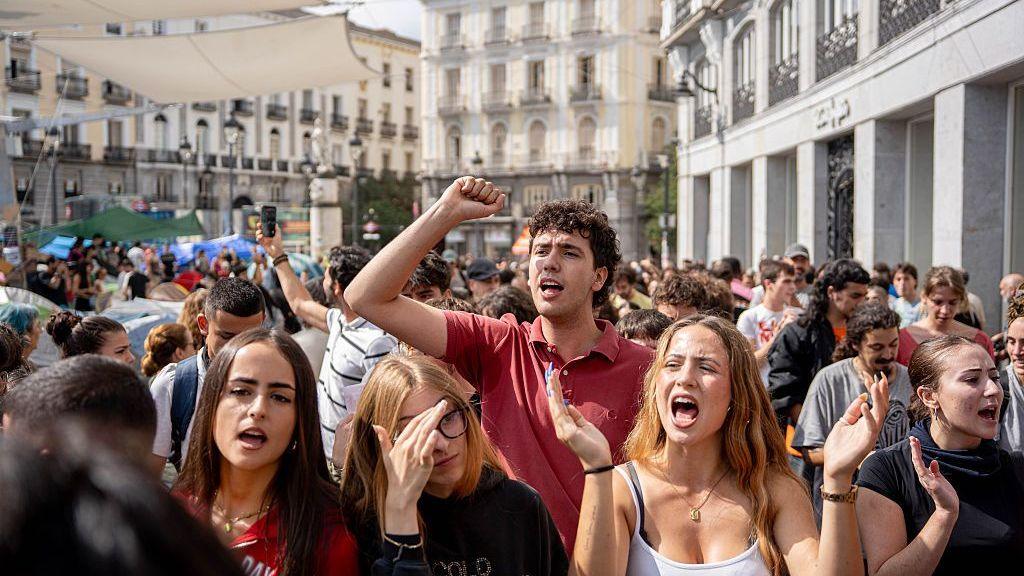
In the heart of Madrid, the square known as Puerta del Sol now hosts a sprawling tent city where 400‑plus young people, led by 21‑year‑old graduate Pierina Nicuray, are demanding change. They accuse what they call “vulture funds” and large investment banks of buying empty homes, hiking rents, and excluding regular Spaniards from decent housing.
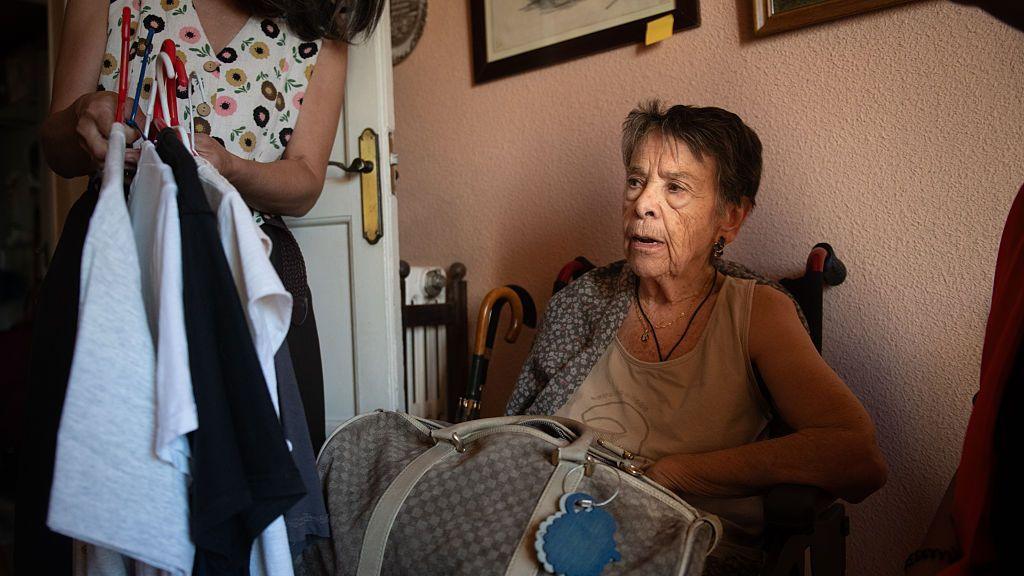
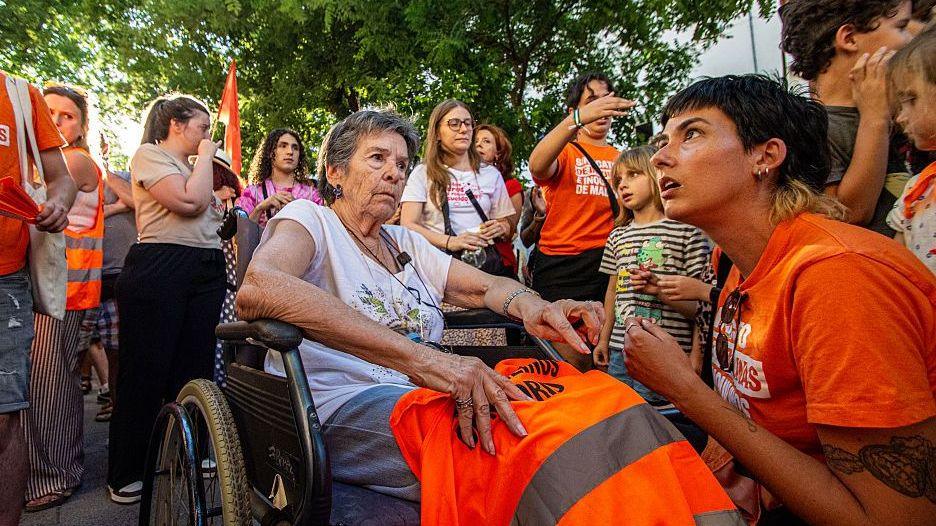
Pierina’s own experience mirrors the protesters’ narrative. After spending a week pitching a tent in the square, she says, “It’s the same problem as always – a lack of homes.” She adds, “Landlords raise rents, and Airbnb pushes prices even higher.” The 19‑year‑old film‑dubbing student, Jorge Moreno, agrees, pointing to the sudden eviction of 87‑year‑old Maricarmen Abascal, whose home was sold to an investment firm that demanded a huge rent increase. Abascal died a week later, precipitating the national outcry that now pushes the issue into Madrid’s most iconic public space.
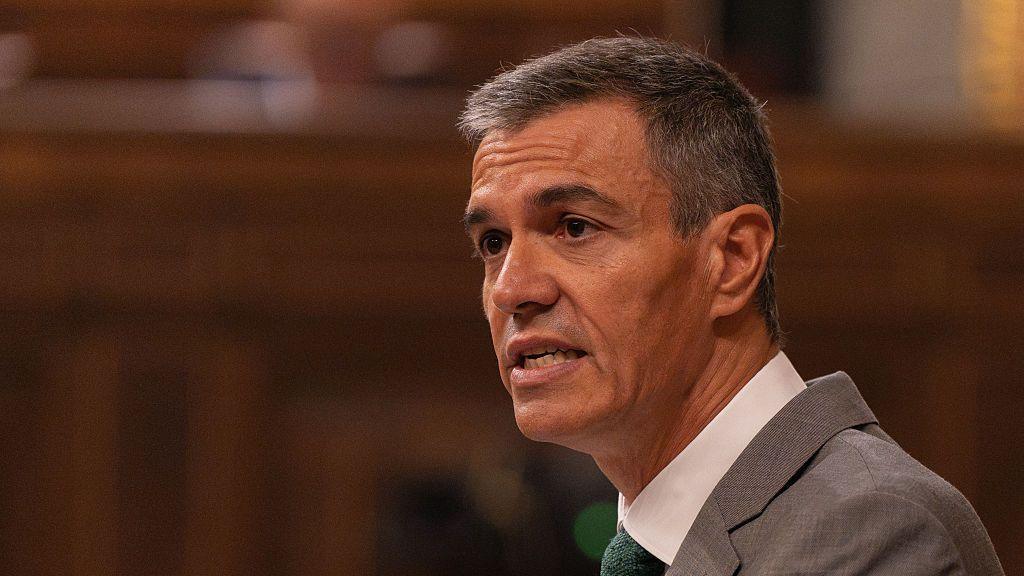
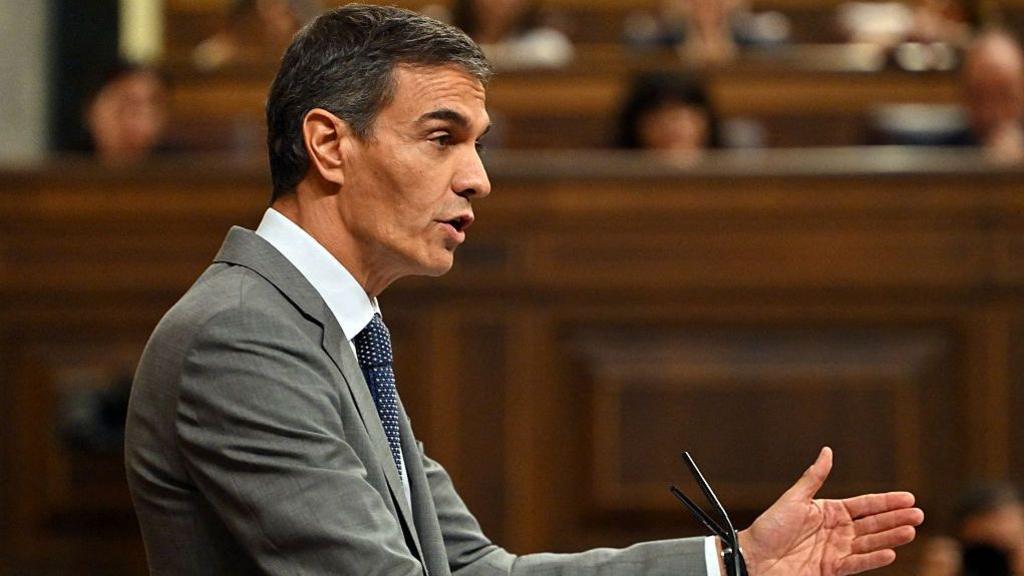
The Spanish government is entangled in the debate. Prime Minister Pedro Sánchez has announced new emergency housing measures, describing them as a “battle against speculation”. Those measures were rejected by Congress, forcing Sánchez to call a snap election in September. Meanwhile, social housing advocates argue for higher taxes on property owners with multiple assets and limits on short‑term tourist rentals.
Statistical data from the Bank of Spain suggests that only 8 % of rental properties are owned by companies, indicating that the supply shortfall – a deficit of roughly 750,000 homes – is a more decisive factor than investment‑owned stockpiles. Yet the fact that 40 % of Spaniards support expropriation of empty homes shows the public’s frustration. A 2024 study by the Centre for Sociological Research found that the majority favour higher property taxes and tighter tourist‑accommodation regulations.
The crisis is compounded by stagnant wages. The average real‑terms salary in the Madrid region is €1,550 per month, yet many workers spend 75‑80 % of that on rent. To illustrate, 81‑year‑old former taxi driver Francisco Pardo explains, “No worker should spend that much on rent – what are they supposed to eat?”
Overall, Spain stands at a political crossroad. While economic data points to a simple supply‑demand imbalance, the human stories of Maricarmen, Pierina, Jed, and countless other tenants keep the issue urgent. As the snap election looms, the nation watches to see if a consensus will materialise that restores affordable homes for all Spanish citizens.