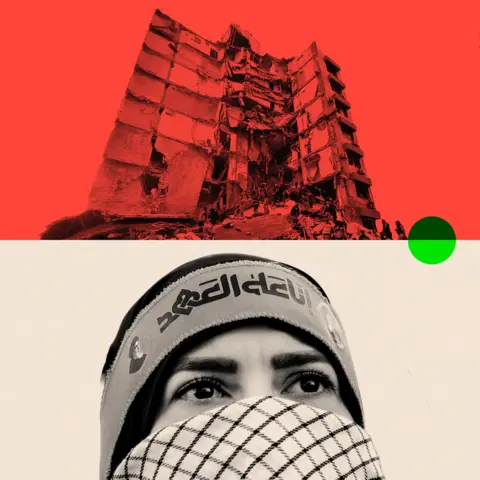
With Lebanon, again, engulfed by war, I remember a meeting I had with President Joseph Aoun at the Baabda Palace, a modernist building overlooking Beirut last August.
Aoun, a former army chief, took office after a devastating war between Israel and Hezbollah, a Lebanese militia and political party that is backed by Iran. At that point, Hezbollah had been weakened and isolated at home and Aoun had vowed to disarm it. The issue over Hezbollah's weapons has long divided Lebanon, but Aoun appeared to believe he could solve it. I was born an optimist, he told me.
At that time, a fragile ceasefire was in place in Lebanon. This deal had ended the conflict between Israel and Hezbollah in November 2024, but Israel was conducting near-daily attacks on what it described as targets linked to the group. Even from my home in east Beirut, I occasionally heard the buzz of Israeli drones overhead.
For Hezbollah's supporters, the group is their only protection against Israel, viewed as an enemy intent on capturing Lebanese land. Opponents accuse the group of defending the interests of Iran and dragging Lebanon into unnecessary wars.
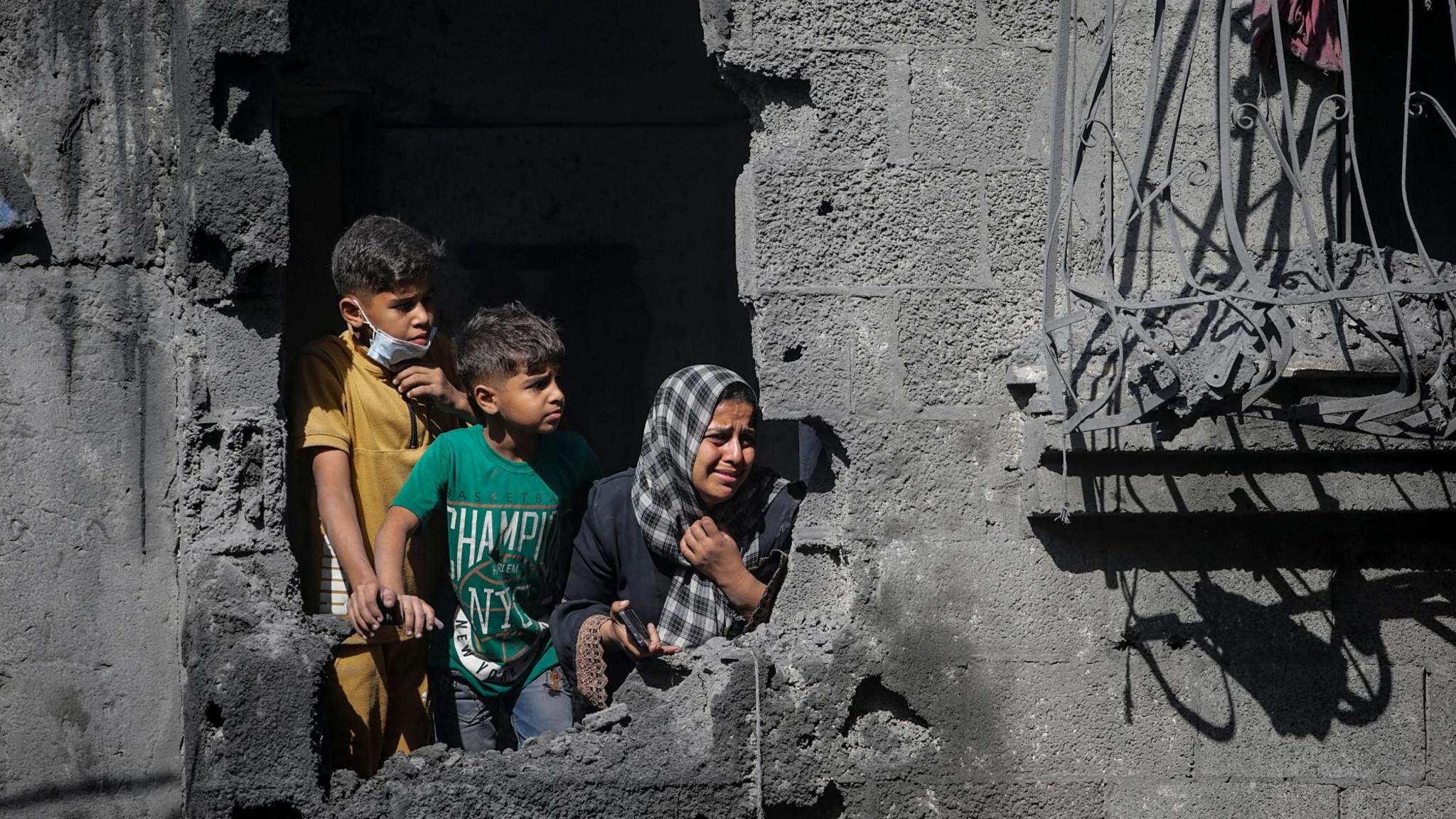
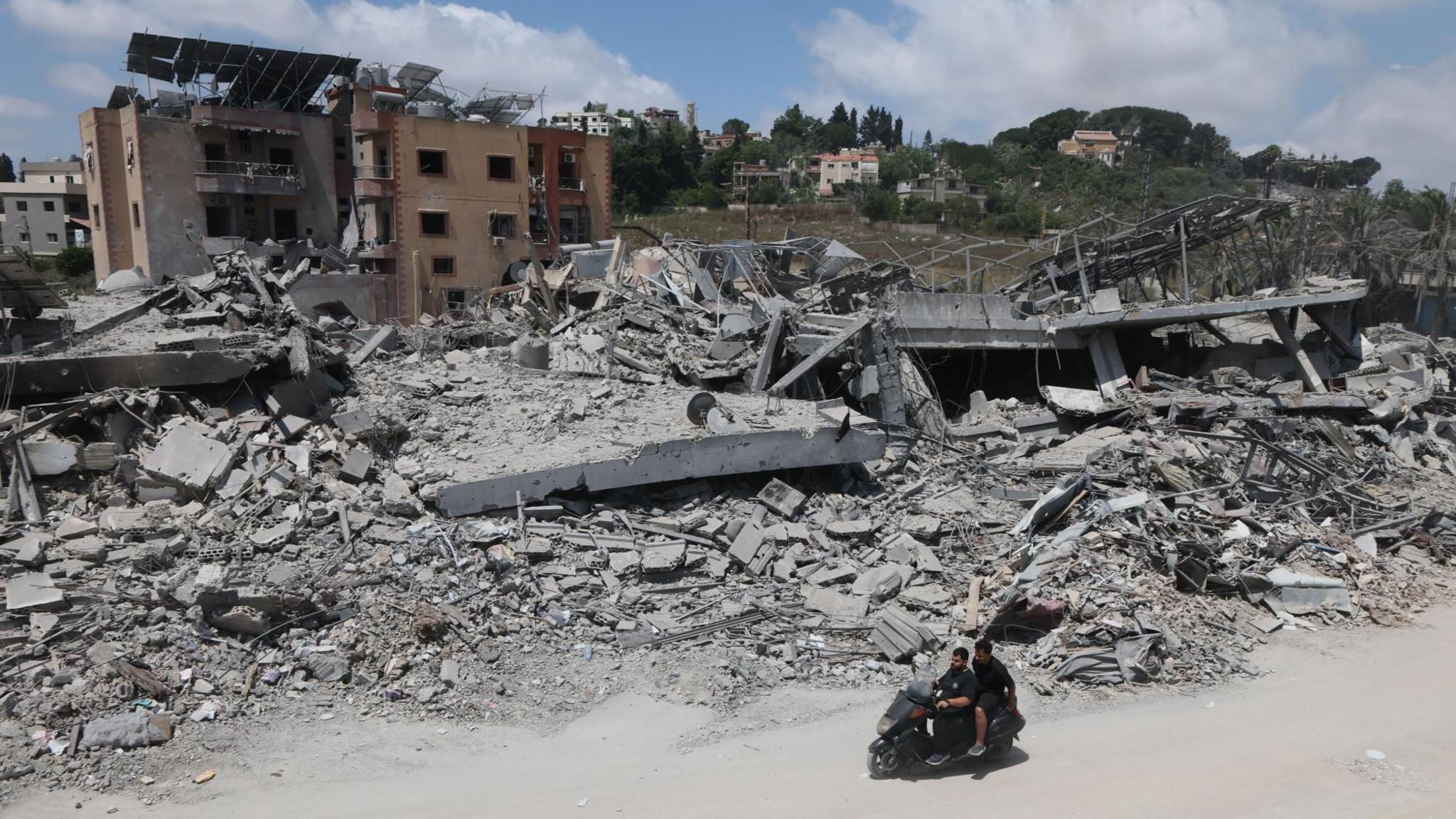
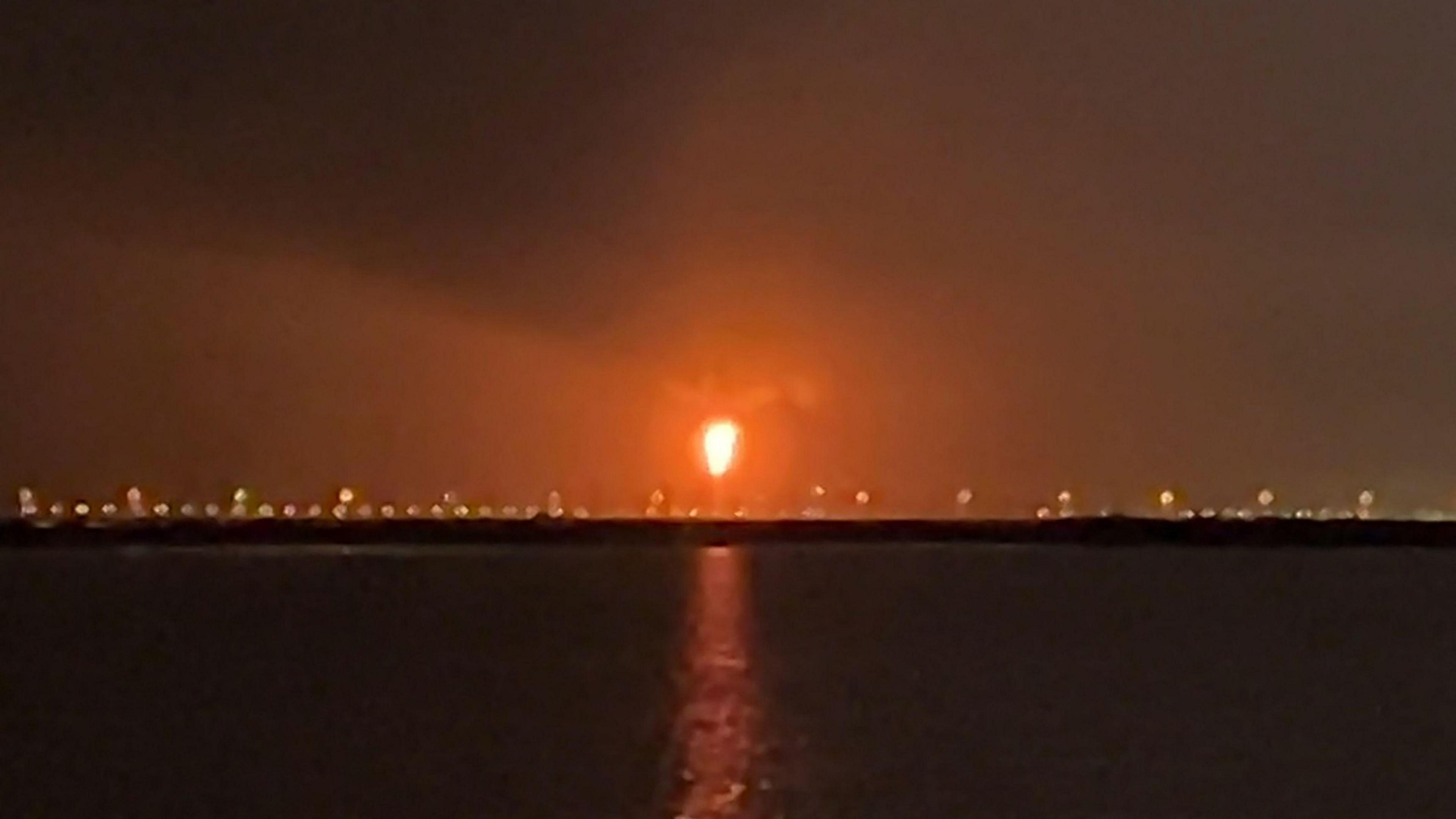
After Iranian leader Ayatollah Ali Khamenei was killed during an Israeli airstrike in February following the U.S.-Israeli bombardment of Iran, Hezbollah fired rockets into Israel in retaliation, prompting further Israeli airstrikes and a ground invasion of southern Lebanon.
President Aoun, hoping to stop the bloodshed, proposed to negotiate directly with Israel, a significant move for two countries that do not recognize each other. Israel initially ignored this offer until recent U.S. mediation led to a discussion scheduled between ambassadors from both nations focused on a ceasefire.
Despite hopes, the Lebanese government seems caught in a cycle of powerlessness. With Hezbollah’s influence and military strength, it lacks the means to enforce any disarmament agreements. Lebanon has nothing to offer, remarked Hezbollah's officials, stating that disarmament is not within the government's capability. As conflicts escalate, how can Lebanon redefine its stance in this deeply entrenched struggle?