WASHINGTON (AP) — One of the first things an Argentine immigrant did after her son was born in Florida last year was apply for his U.S. passport.
She perceived this passport as proof of her son's American identity. However, now many families like hers are engaging in a legal struggle over President Trump's executive order that threatens to strip citizenship from U.S.-born children of undocumented or temporary residents.
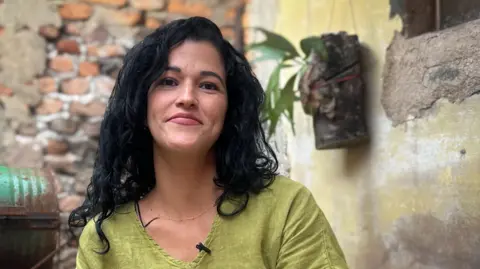
Speaking to The Associated Press anonymously due to fears of backlash from the administration, the 28-year-old mother noted, I would say that I am definitely relieved that at least he is protected.”
This legal challenge unfolds as the Supreme Court deliberates on whether Trump's executive order, signed on January 20, 2025, aligns with the 14th Amendment, which guarantees citizenship for all individuals born on U.S. soil, with few exceptions. Courts previously ruled against this order, temporarily halting its enforcement.
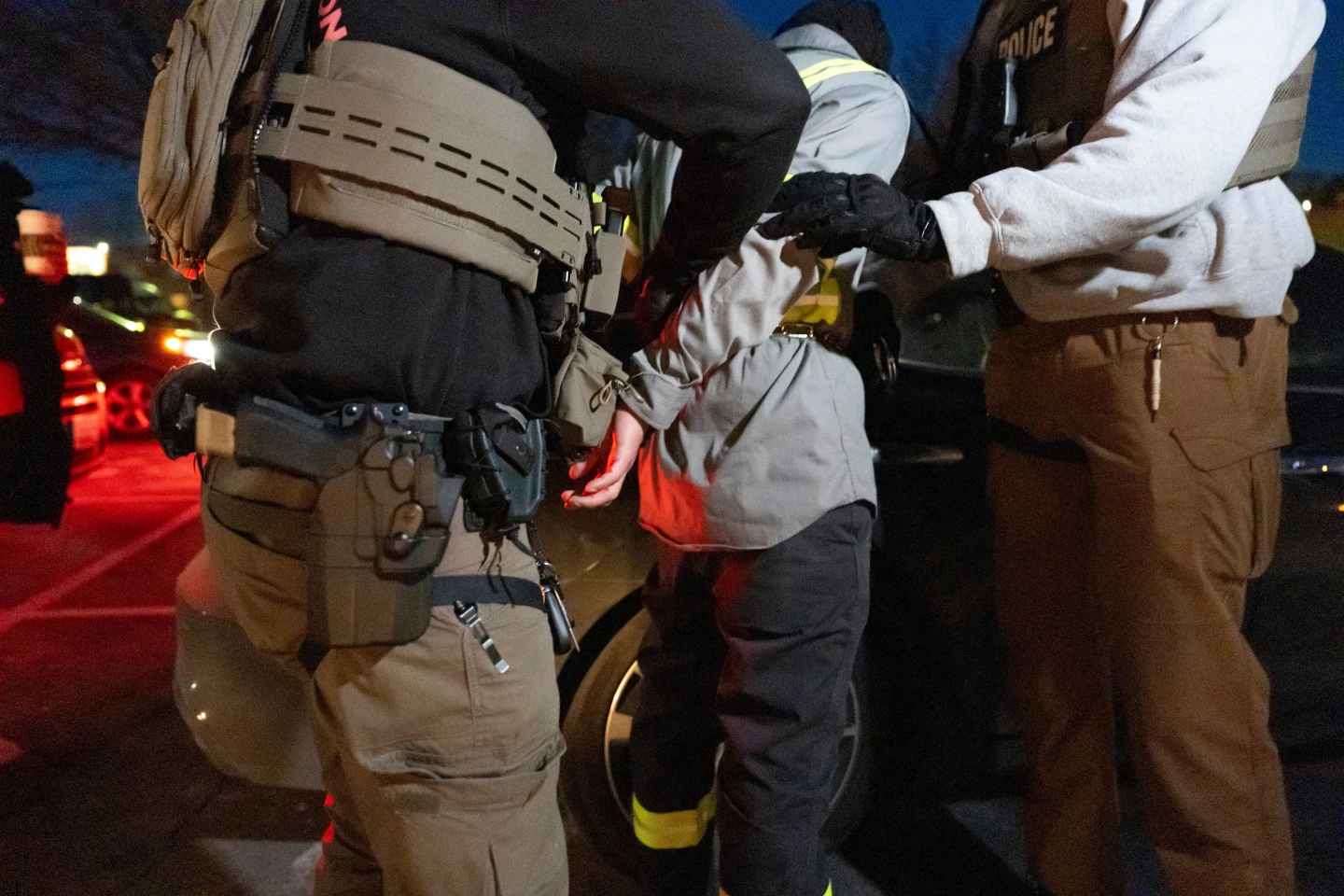
The order to potentially repeal birthright citizenship reflects broader immigration policies under Trump's administration, driving deportations and limiting asylum applications.
Constitution vs. Executive Action
The crux of the legal argument revolves around how the Constitution defines jurisdiction regarding citizenship, which may impact over a quarter of a million American-born infants each year. Trump's administration argues that children born to those illegally in the U.S. shouldn’t receive automatic citizenship.
The nine justices of the Supreme Court will soon decide on this issue amid a climate where past rulings and federal laws have consistently upheld birthright citizenship.
Implications for Families
The fears of families embroiled in this legal quandary are palpable. The querying mother, who moved to the U.S. in 2016, is both a mother and an applicant for a green card. She reflected on her fears during her pregnancy, questioning the future of her child's citizenship amidst looming changes in the law.
Despite the uncertainty, she affirmed her love for the U.S., sharing that her child represents the best aspect of her life. “It gave me the most beautiful thing I have today, which is my family,” she stated.
As the Supreme Court weighs its decision, the stakes for countless children and their families hang in the balance, prompting intense legal and emotional discussions about the fundamental definition of what it means to be an American.