New estimates released by the U.S. Census Bureau paint a troubling picture of demographic shifts across American metropolitan areas. Last year marked the steepest decline in growth rates within communities along the U.S.-Mexico border, primarily driven by decreases in immigration, while those along Florida’s Gulf Coast saw further declines due to the aftermath of severe hurricanes.
The report indicates that many metro areas experienced slower population increases last year, correlating mainly with a slowdown in international migration, contrasting with 2024 when a surge in immigrant arrivals aided recovery from the COVID-19 pandemic. The average metropolitan area growth rate decreased from 1.1% in 2024 to 0.6% in 2025.
This drop underscores the crucial role that immigration has played in community growth, particularly as the average age of the U.S. population increases and birth rates decline.
Border Metro Areas Hit Hard
Among the hardest-hit areas are three metro regions along the U.S.-Mexico border in Texas and California, with Laredo's growth rate plummeting from 3.2% to 0.2%, while Yuma, Arizona, dropped from 3.3% to 1.4%, and El Centro fell from 1.2% to -0.7%.
“This pattern depicts a more extreme fluctuation in border regions, where migration is a core component of yearly population changes,” explained Helen You, interim director of the Texas Demographic Center.
Impact of Hurricanes
The landscape along Florida's Gulf Coast has also been significantly altered by natural disasters. The destructive effects of hurricanes Helene and Milton in 2024 have forced thousands to evacuate, resulting in notable population losses—Pinellas County alone lost nearly 12,000 residents.
Additionally, the small community of Taylor County recorded the steepest decline in growth rate, down by 2.2%, demonstrating the long-lasting effects of natural disasters on population dynamics.
Shifting Growth Patterns
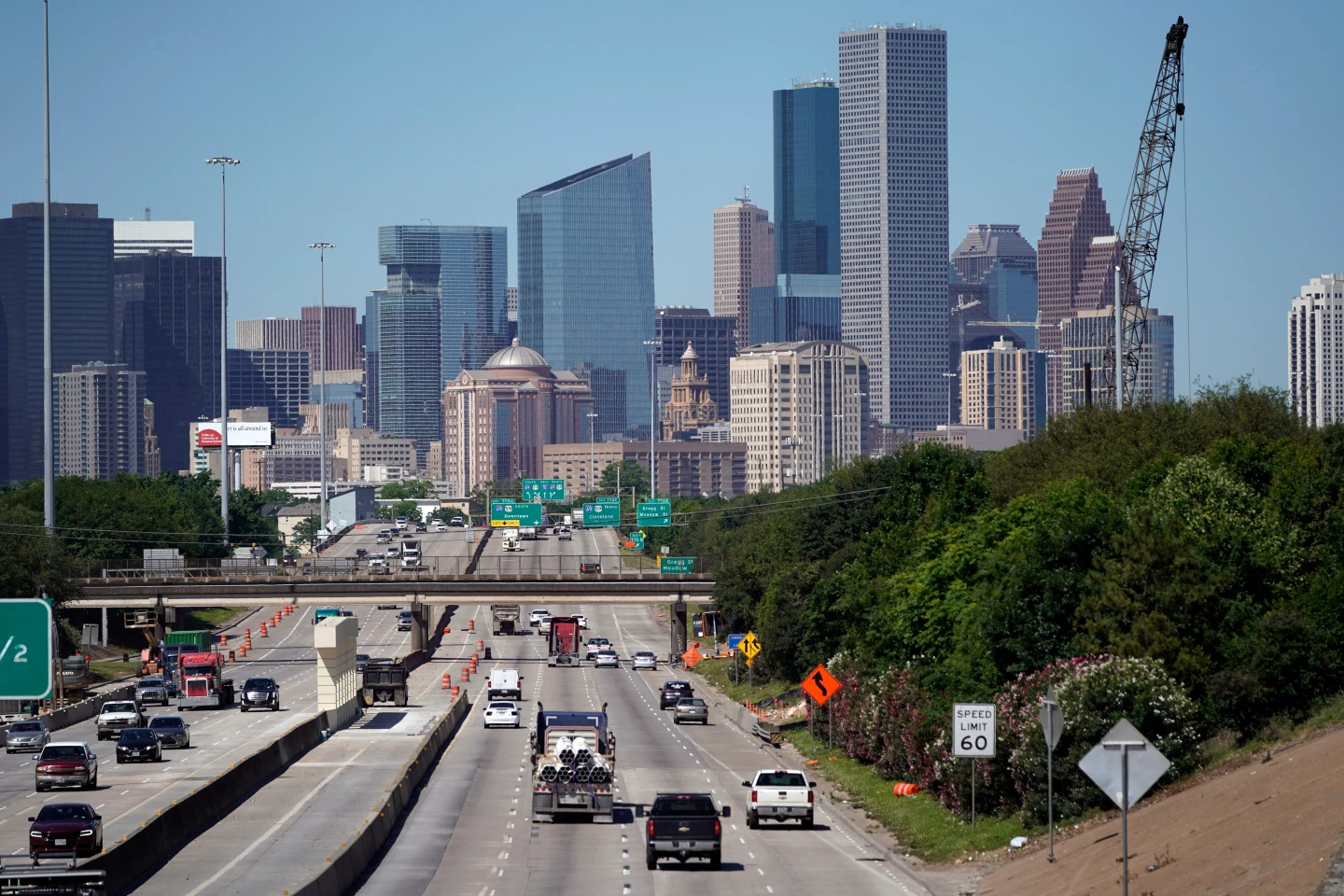
Houston and Dallas-Fort Worth now lead the nation in metropolitan growth rates, following a period of significant out-migration from cities like New York, which, despite a loss of residents, maintained gains through natural increase led by births.
The statistics indicate broader trends of urban flight to suburban and exurban areas, where housing affordability and a shift towards remote work are driving new patterns of migration across the country.
With nine out of ten U.S. counties reporting lower levels of immigration in 2025 compared to the previous year, the future demographic landscape of the U.S. appears increasingly susceptible to the influences of policy and climate conditions.