LOUISVILLE, Ky. — Muhammad Ali’s legacy stretches far beyond his world‑title reign and Olympic gold. From the ring to the community, the former heavyweight champion’s compassion shaped the lives of countless people, says his wife Lonnie Ali.
“He transcended boxing into every space you can imagine,” Lonnie told The Associated Press this week, in the months leading up to the 10‑year memorial for his death on June 3, 2016, after a long battle with Parkinson’s disease.
Ali lived by the mantra that “service to others is the rent we pay for our room here on Earth.” Lonnie said he appeared each day with kindness and empathy toward those in need, making a quiet but profound impact on the community.
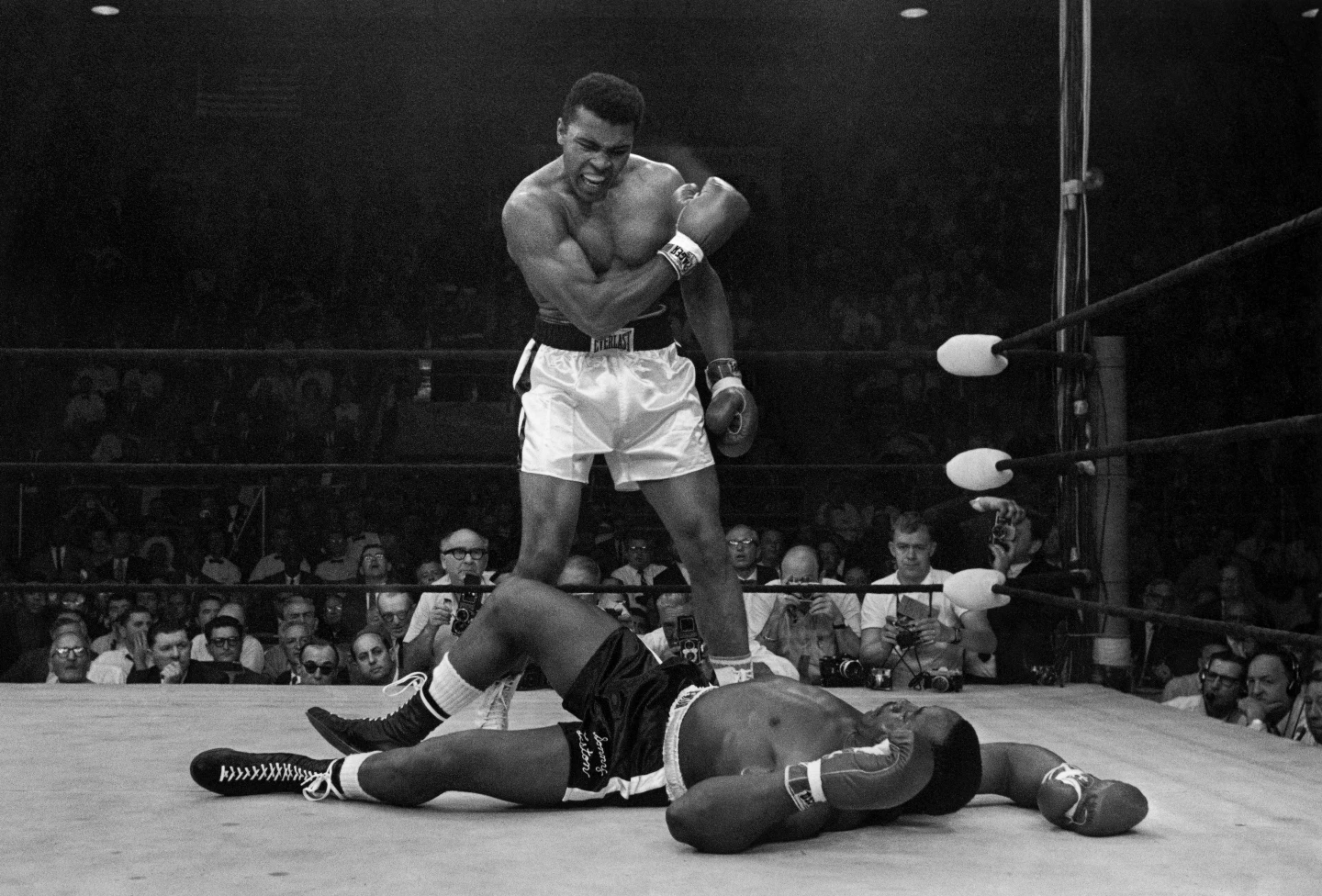
Known as the “Louisville Lip” at home, Ali rose to global fame as a trash‑talking boxer in the 1960s and used his platform to speak out on civil‑rights issues. He remains widely regarded as the most influential boxer ever, winning the heavyweight title three times.
The Muhammad Ali Center is staging a “Day of Compassion” on the anniversary of his passing, inviting volunteers to perform acts of service in honor of the core values he embodied. Lonnie, the center’s lifetime director, hopes the day becomes an annual celebration of volunteerism and community support.
“Today, we are in a place where we are losing touch with our humanity and each other,” she said, noting that polarization has split families, communities, and the nation. She cautioned leaders to lead with compassion, referencing the Supreme Court’s recent weakening of the 1965 Voting Rights Act.
Lonnie reminded the public that “equal representation” can only succeed when people are not denied voting rights, urging politicians to remove barriers instead of creating them.
She found hope in the 2016 week‑long celebration of Ali’s life in Louisville, which culminated in a funeral procession through the city and a visit to his modest childhood home. The event drew presidents, celebrities, and sports figures, and was livestreamed to millions worldwide.
A decade later, Ali’s image appeared on a U.S. Postal Service stamp, a testament to his lasting influence.
Lonnie said he was revered by people from all walks of life: “We’re talking about people who traveled thousands of miles to respect him—kings, princes, presidents, heads of state, celebrities, sports figures.”
}