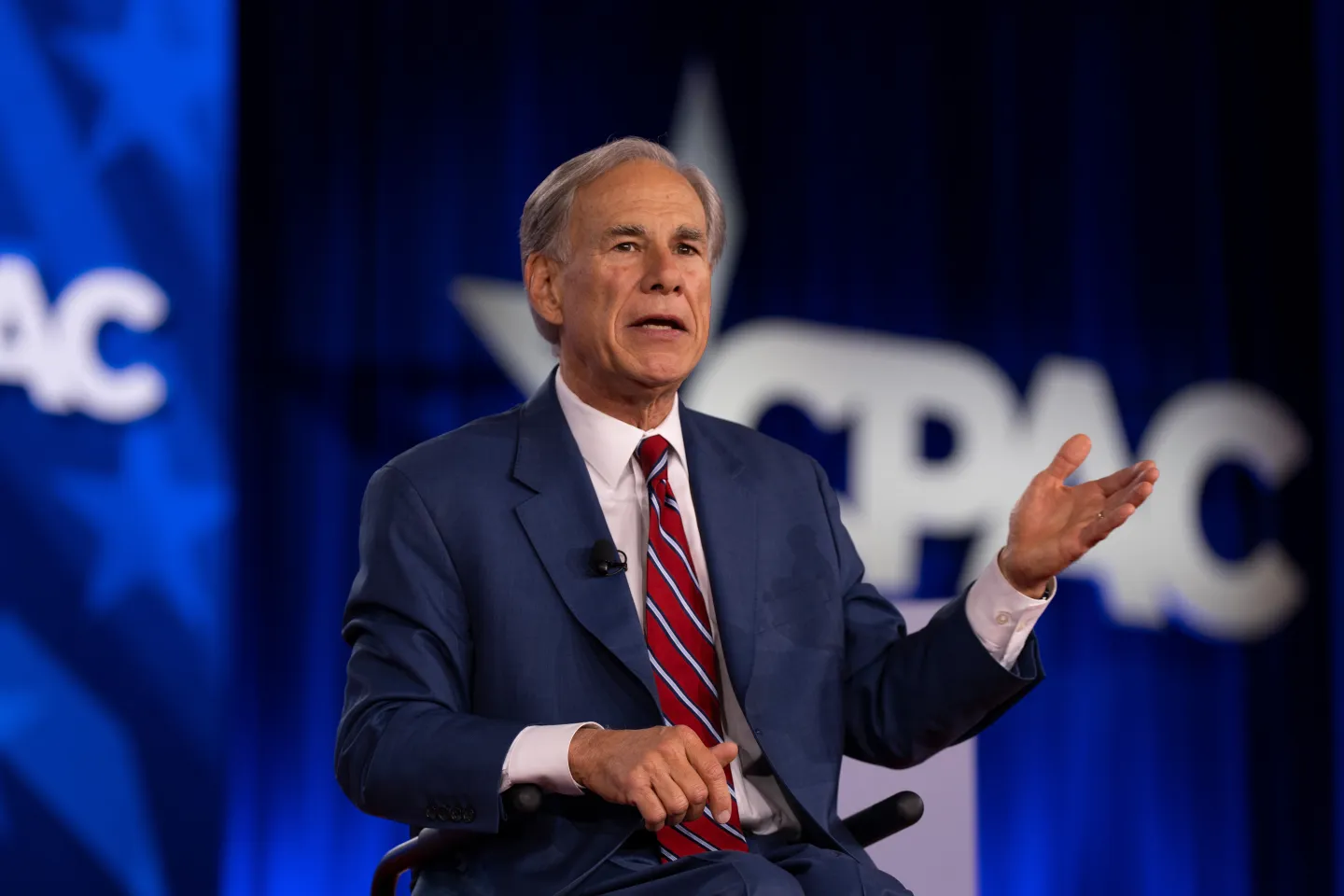
AUSTIN, Texas (AP) — In a recent ruling, the Texas Supreme Court on Friday rejected Governor Greg Abbott's attempt to declare that Democratic lawmakers who temporarily fled the state in 2025 to block a vote on redistricting maps had vacated their offices.
The all-Republican court’s decision represents a setback for Abbott and Texas Republicans, who aimed to impose severe penalties on more than 50 Democrats who left for New York, Illinois, and Massachusetts in a strategic move to halt the redistricting vote during a special legislative session.
This redistricting initiative has set off a wave of similar efforts nationwide, with Republicans, influenced by former President Trump, looking to solidify their slim majority in Congress while Democrats strive to counteract these changes.
Heightened political conflicts over redistricting have escalated following the U.S. Supreme Court's decision to further weaken the Voting Rights Act, leading to new legislative dynamics regarding how electoral districts are drawn.
Governor Abbott argued in court that lawmakers like Rep. Gene Wu had abandoned their posts. However, Justice James Blacklock refuted this claim, asserting the legislature effectively managed the issue itself. The lawmakers ultimately returned of their own accord within a few weeks, marking the restoration of a quorum without requiring judicial action.
“In the end, a quorum was restored in two weeks’ time, without judicial intervention, by the interplay of political and practical forces,” Blacklock wrote in the court’s opinion.
Wu, who maintained that his departure was an exercise of dissent rather than abandonment, expressed relief over the court’s ruling. He stated, “Abbott was wrong, weak, and after all his bluster, he couldn’t come and take a damn thing.”
The new congressional maps, which generated significant controversy, were eventually passed and signed into law by Abbott following the lawmakers' return. State officials noted the constitutional requirement for a specific number of House members present to conduct business, hinting at the complexities surrounding legislative quorum requirements and preceding walkout histories.