An Ebola outbreak in the Democratic Republic of Congo (DRC) has been declared a public health emergency of international concern by the World Health Organization (WHO). This outbreak is particularly challenging, as it is caused by the Bundibugyo strain of Ebola, which has been absent for over a decade and currently has no approved vaccine.
The virus is typically transmitted from animals such as fruit bats to humans, often through direct contact with infected wildlife. Initial symptoms are flu-like, often appearing between two to 21 days after exposure before progressing to severe outcomes including vomiting, diarrhea, and organ failure.
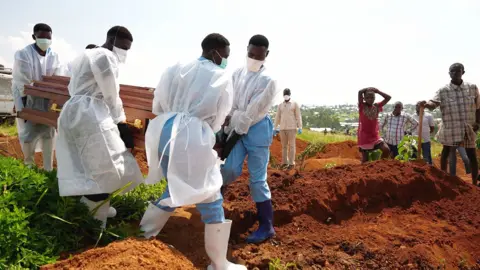
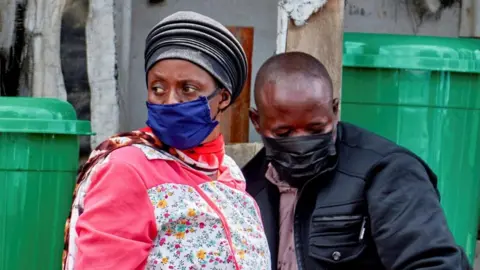
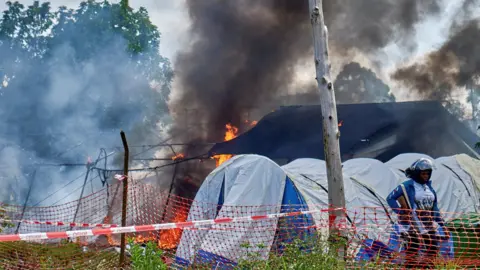
In this case, the outbreak has been exacerbated by conflict in the affected region, with a quarter of a million people displaced and extensive movements across porous borders. Initial blood tests failed to identify the virus due to its rarity, complicating containment efforts. Without an existing vaccine or targeted treatments, public health responses are further challenged by community beliefs that the illness may be due to witchcraft.
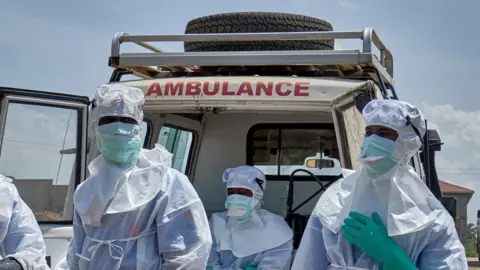
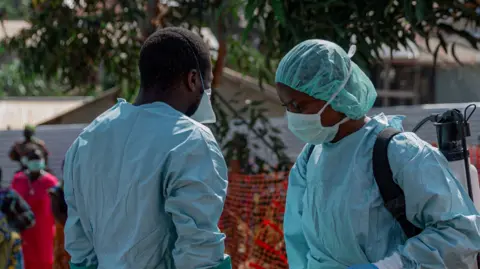
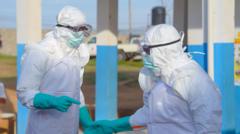
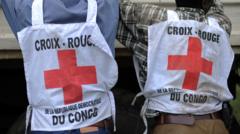
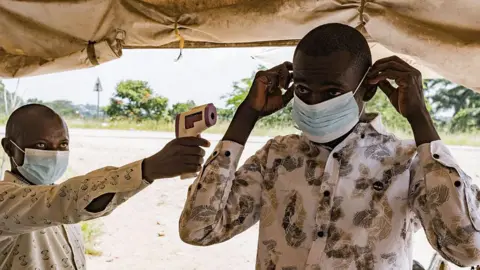
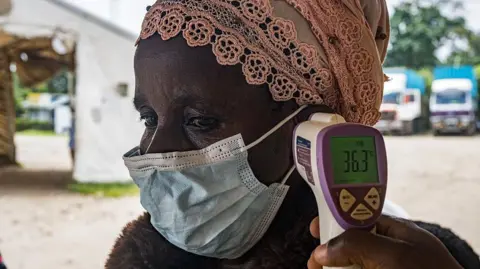
The outbreak began when a nurse developed symptoms on April 24, leading to a rapid spread as funeral practices and poor health-seeking behaviors facilitated transmission. WHO and Médecins Sans Frontières (MSF) are working on preventive and treatment measures, including establishing health teams and toll-free reporting services.
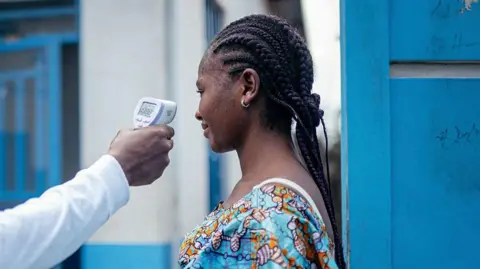
While the situation is dire, WHO’s emergency declaration does not imply a global pandemic threat similar to COVID-19, as the risk outside East Africa remains low. Neighboring nations like Rwanda and Uganda are adopting precautionary measures amidst the rising concern that Ebola may cross borders.
The virus is typically transmitted from animals such as fruit bats to humans, often through direct contact with infected wildlife. Initial symptoms are flu-like, often appearing between two to 21 days after exposure before progressing to severe outcomes including vomiting, diarrhea, and organ failure.
In this case, the outbreak has been exacerbated by conflict in the affected region, with a quarter of a million people displaced and extensive movements across porous borders. Initial blood tests failed to identify the virus due to its rarity, complicating containment efforts. Without an existing vaccine or targeted treatments, public health responses are further challenged by community beliefs that the illness may be due to witchcraft.
The outbreak began when a nurse developed symptoms on April 24, leading to a rapid spread as funeral practices and poor health-seeking behaviors facilitated transmission. WHO and Médecins Sans Frontières (MSF) are working on preventive and treatment measures, including establishing health teams and toll-free reporting services.
While the situation is dire, WHO’s emergency declaration does not imply a global pandemic threat similar to COVID-19, as the risk outside East Africa remains low. Neighboring nations like Rwanda and Uganda are adopting precautionary measures amidst the rising concern that Ebola may cross borders.