Six months after Israel became the first country to recognise Somaliland as an independent state, the breakaway republic opened an embassy in Jerusalem, signalling a new chapter in its foreign relations.
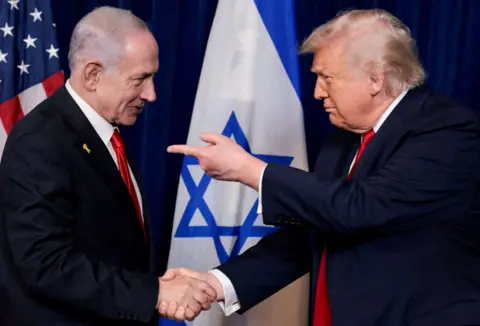
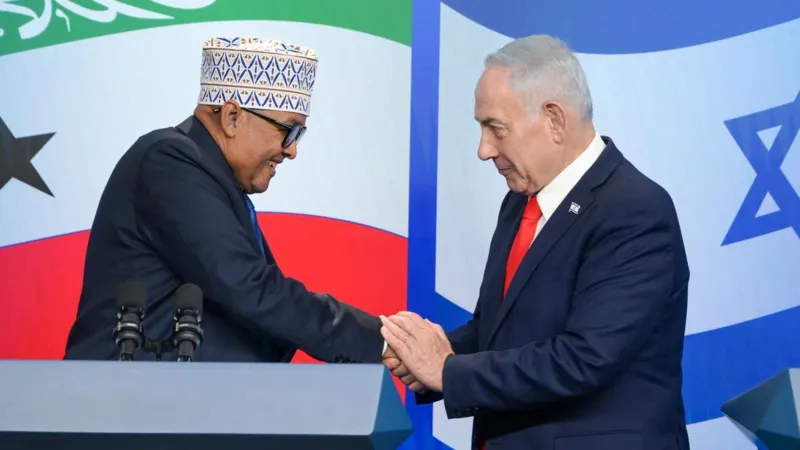
The mission, located in a technology park in West Jerusalem, was inaugurated while Somaliland’s president Abdirahman Mohamed Abdullahi was on an official visit to Israel. Prime Minister Benjamin Netanyahu greeted Abdullahi, describing the partnership as a "deep spiritual bond" between their peoples and praising the decision to locate the embassy in the city that Palestinians seek for their future capital.
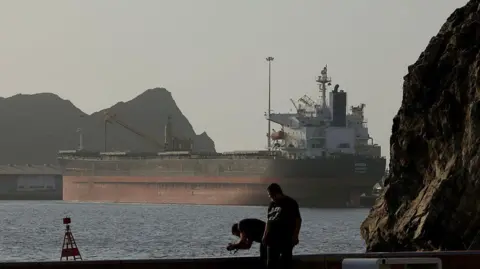
The move follows a series of visits, including a recent trip by Israeli foreign minister Gideon Saar to Hargeisa, Somaliland’s capital. Together they discussed potential cooperation on natural resources, including rare‑earth minerals and oil, and highlighted Somaliland’s strategic coastline near the Red Sea.
Somalia, which views Somaliland as a part of its sovereign territory, condemned the diplomatic engagement, branding it a violation of its sovereignty. The Palestinian Authority’s foreign ministry also condemned the “opening of the alleged embassy in an occupied city,” calling it a flagrant breach of international law.
Israel’s recognition of Somaliland last December sparked criticism from several countries and international organisations, including the African Union, China, Turkey and Saudi Arabia. Nonetheless, the two states continue to solidify ties, with Israel praising Somaliland’s solid governance structure and stability since its 1991 separation from Somalia.
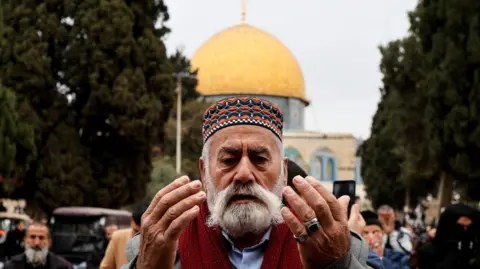
Jerusalem’s disputed status—occupied by Israel since 1967 and annexed in 1980, yet claimed by Palestinians—adds complexity to Somaliland’s embassy choice. While most countries maintain their embassies in Tel Aviv, a handful, including the United States, have moved theirs to Jerusalem, reflecting ongoing geopolitical shifts.
For Somaliland, the embassy in Jerusalem not only symbolizes international recognition but also opens avenues for economic partnerships in a region rich in resources and strategically positioned at the crossroads of Africa and the Middle East. For Israel, the partnership is seen as a stabilising ally and a counterweight to regional uncertainties.